

What This Method Addresses
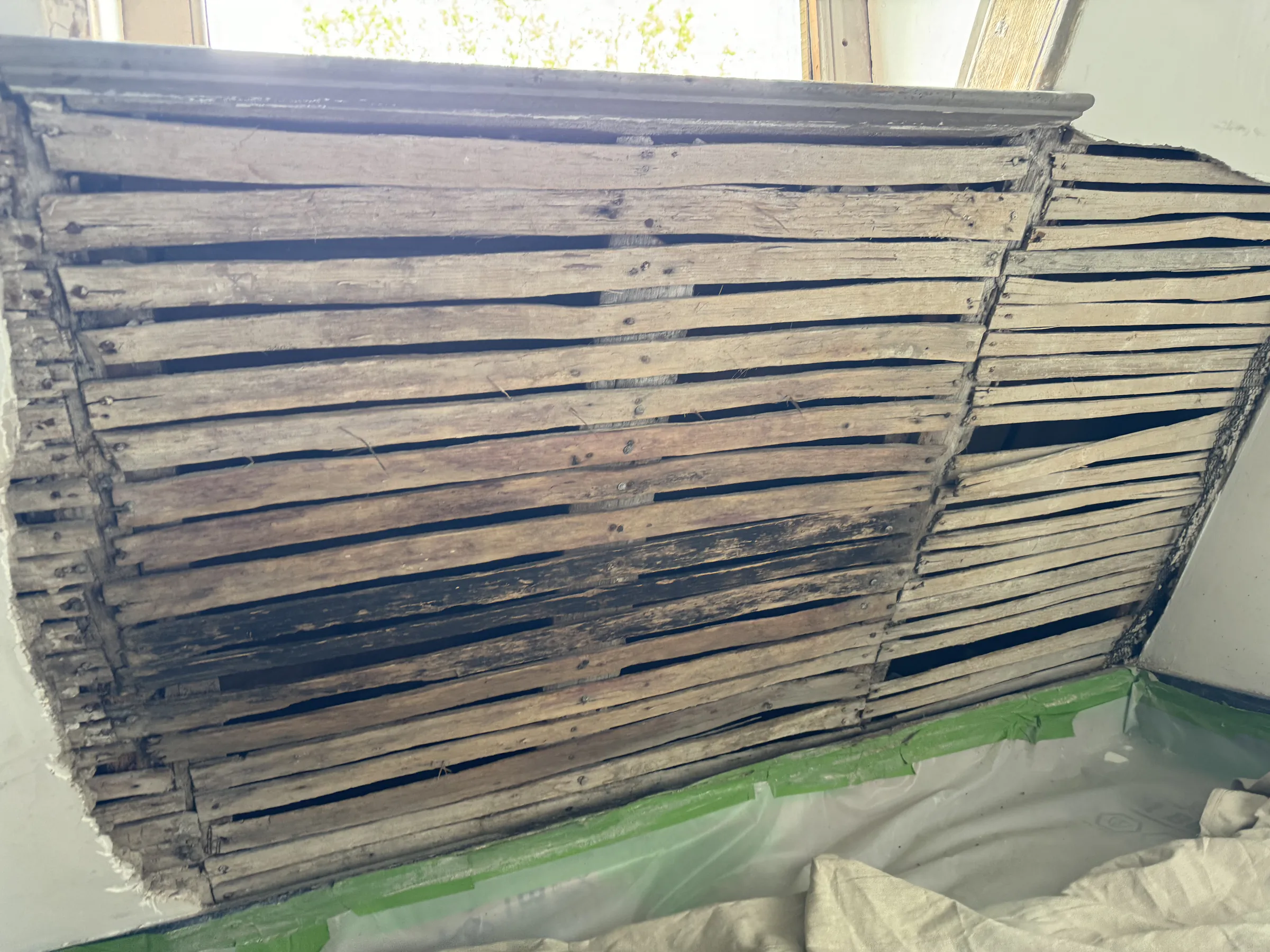
Traditional lime plasters were widely used in historic buildings for their flexibility, vapor permeability, and ability to manage interior moisture. Over time, water intrusion, movement, incompatible repairs, or the application of modern gypsum or cement-based materials can cause cracking, delamination, or failure of original plaster surfaces.
Traditional lime plaster repairs address these issues by restoring interior wall and ceiling finishes with materials that behave like the originals. Lime plasters allow moisture to move through the wall assembly rather than trapping it, helping to protect underlying masonry, wood framing, and decorative elements.
When properly applied, lime plaster repairs preserve both the appearance and performance of historic interiors while supporting long-term building health.
When Are Traditional Lime Plasters Needed?
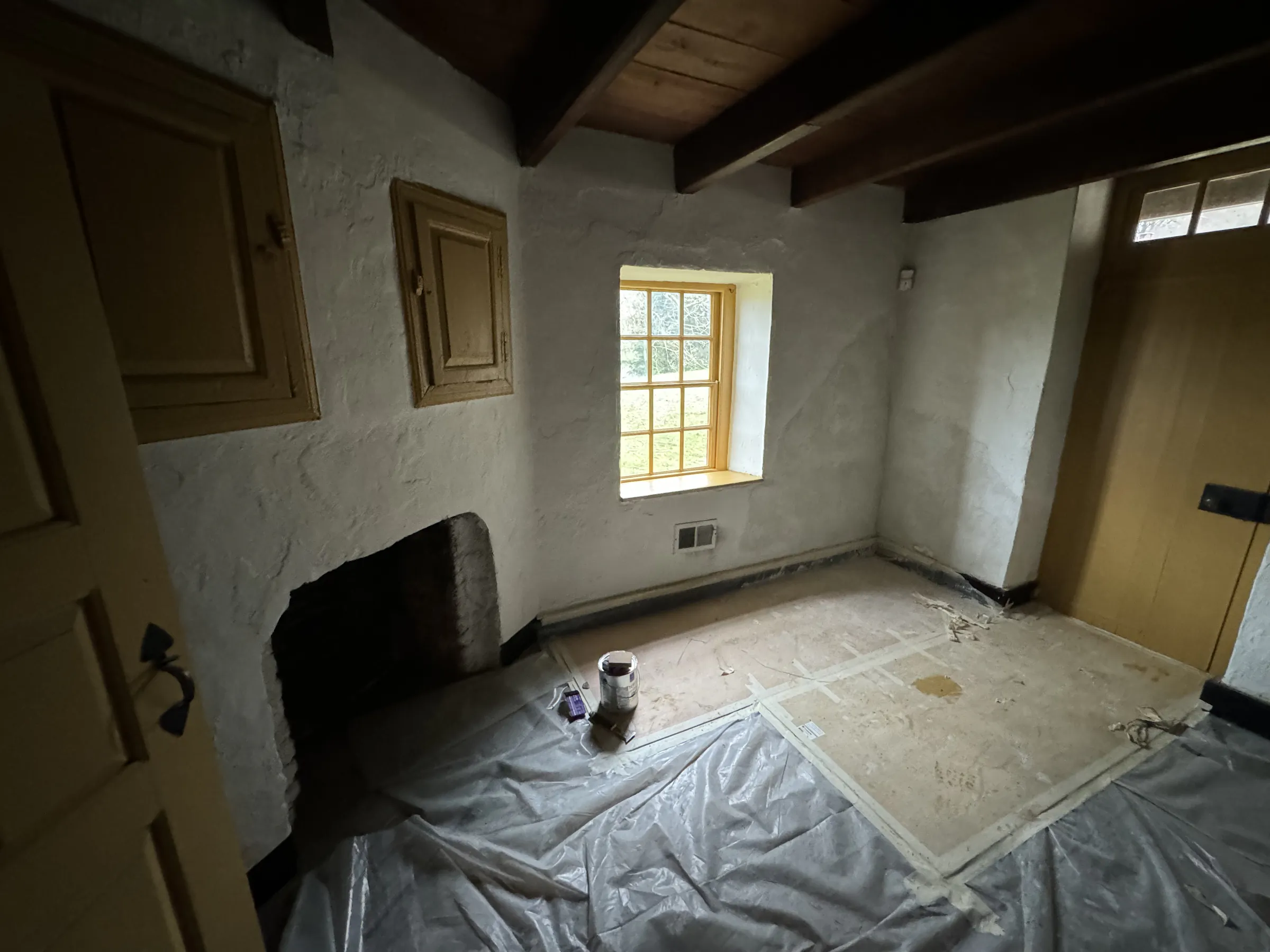
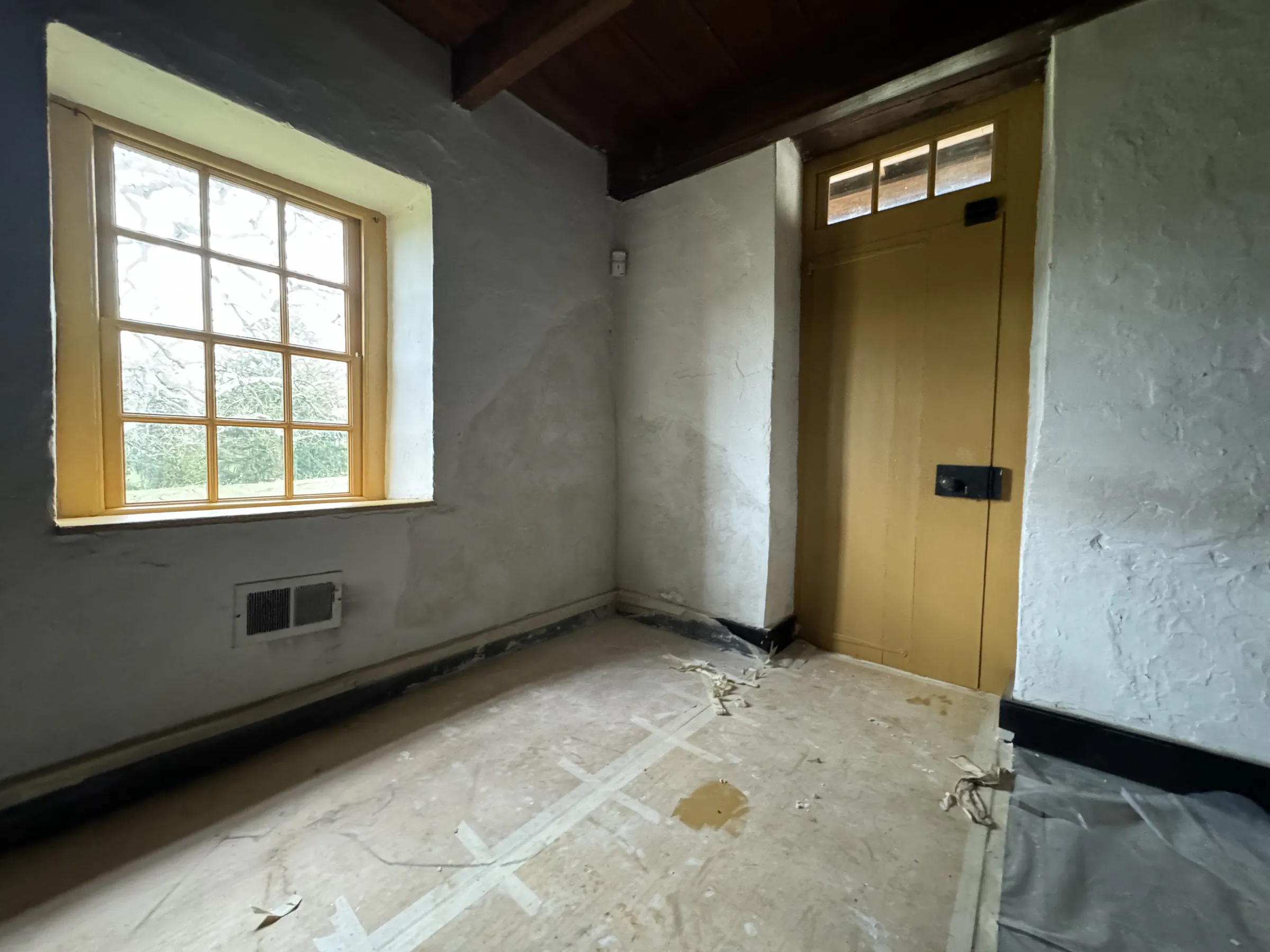
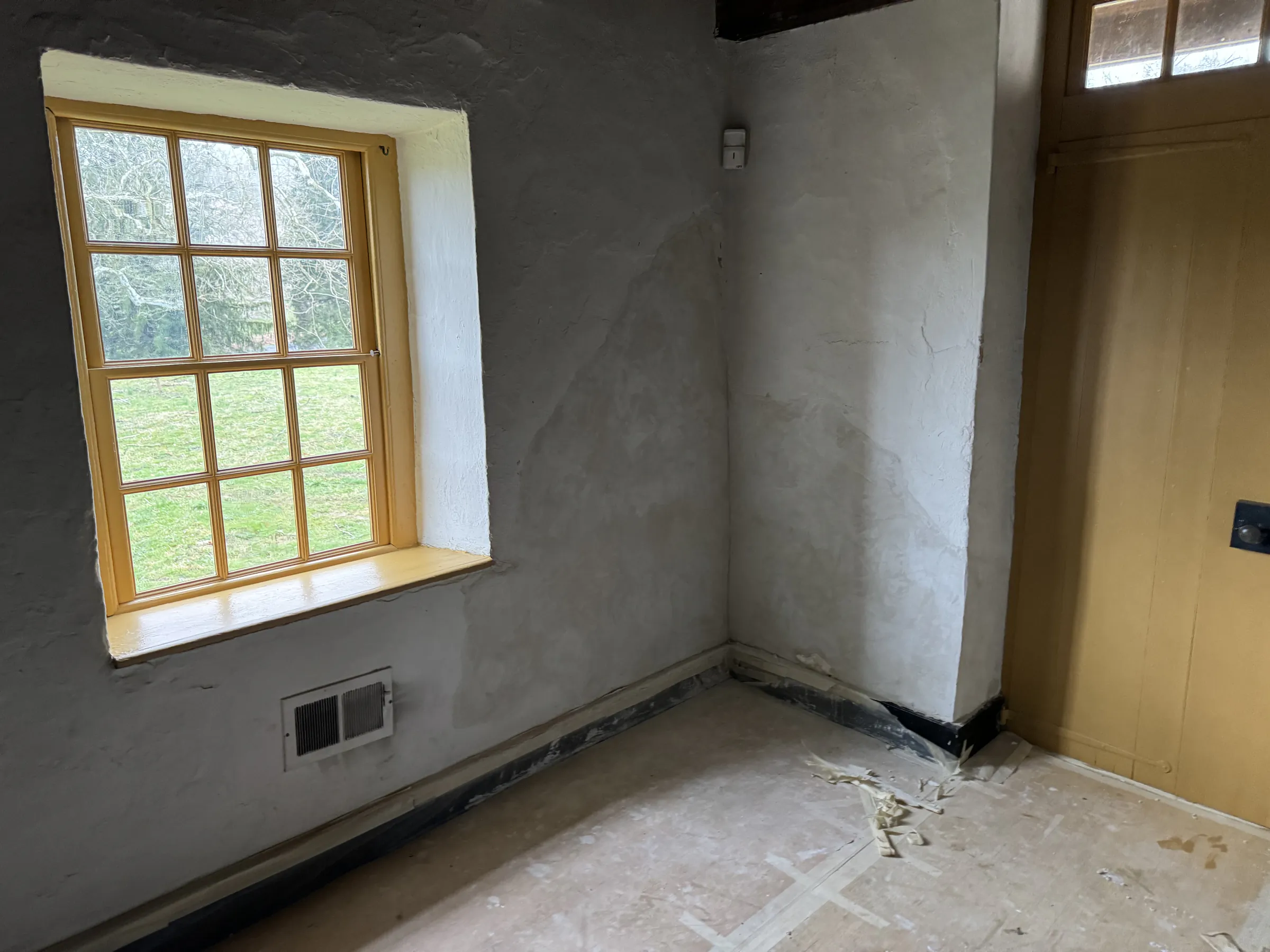
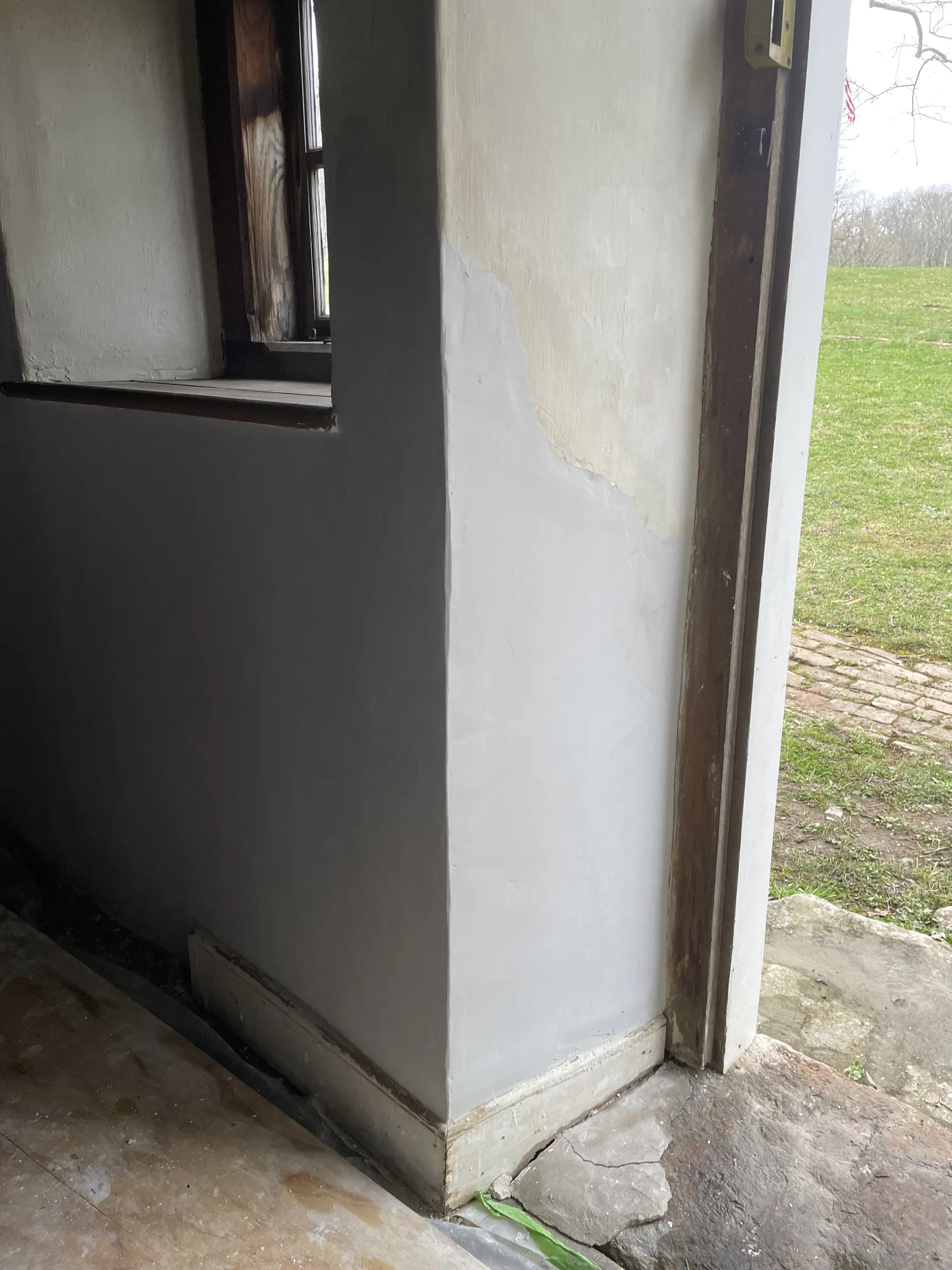
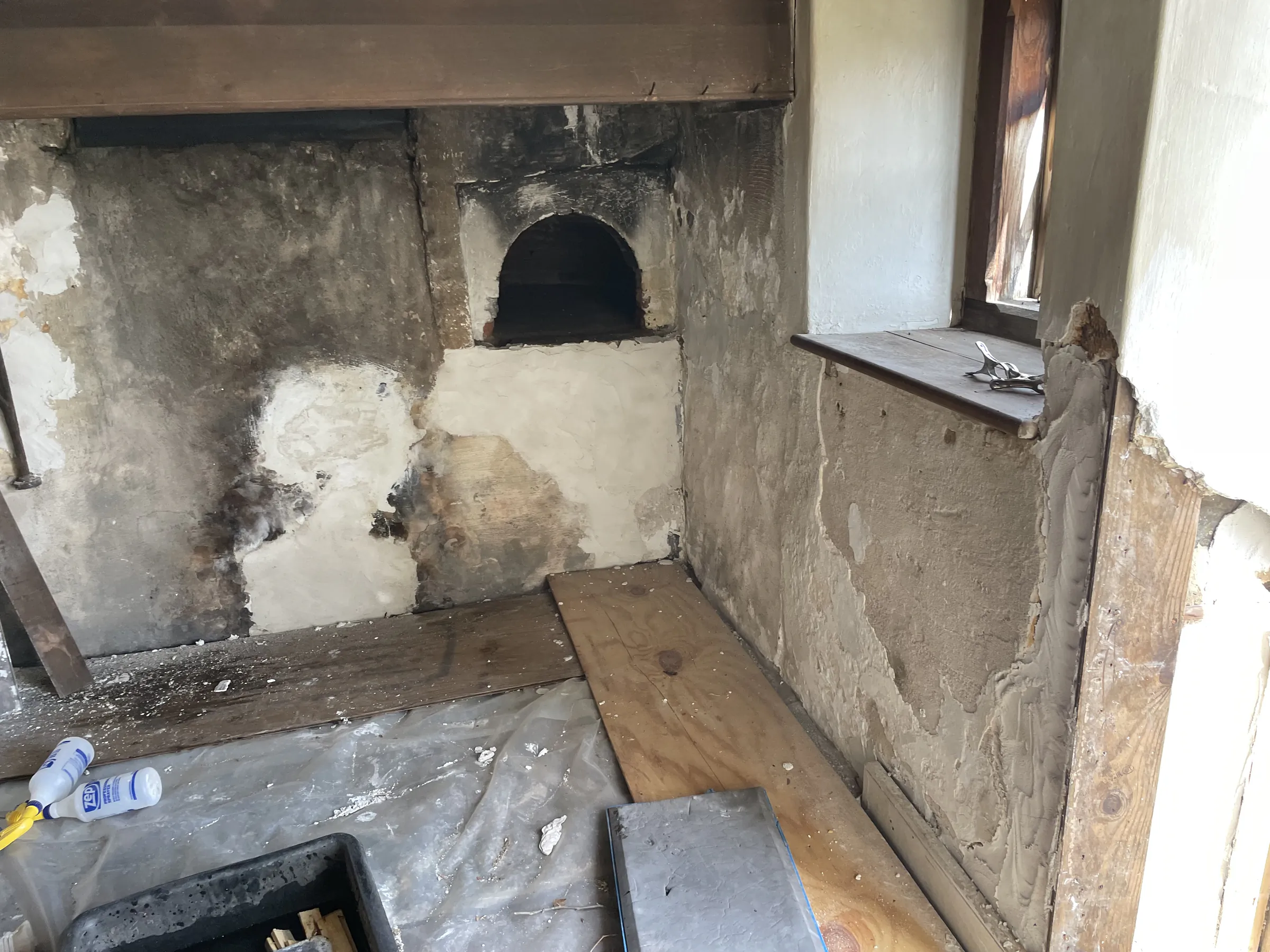
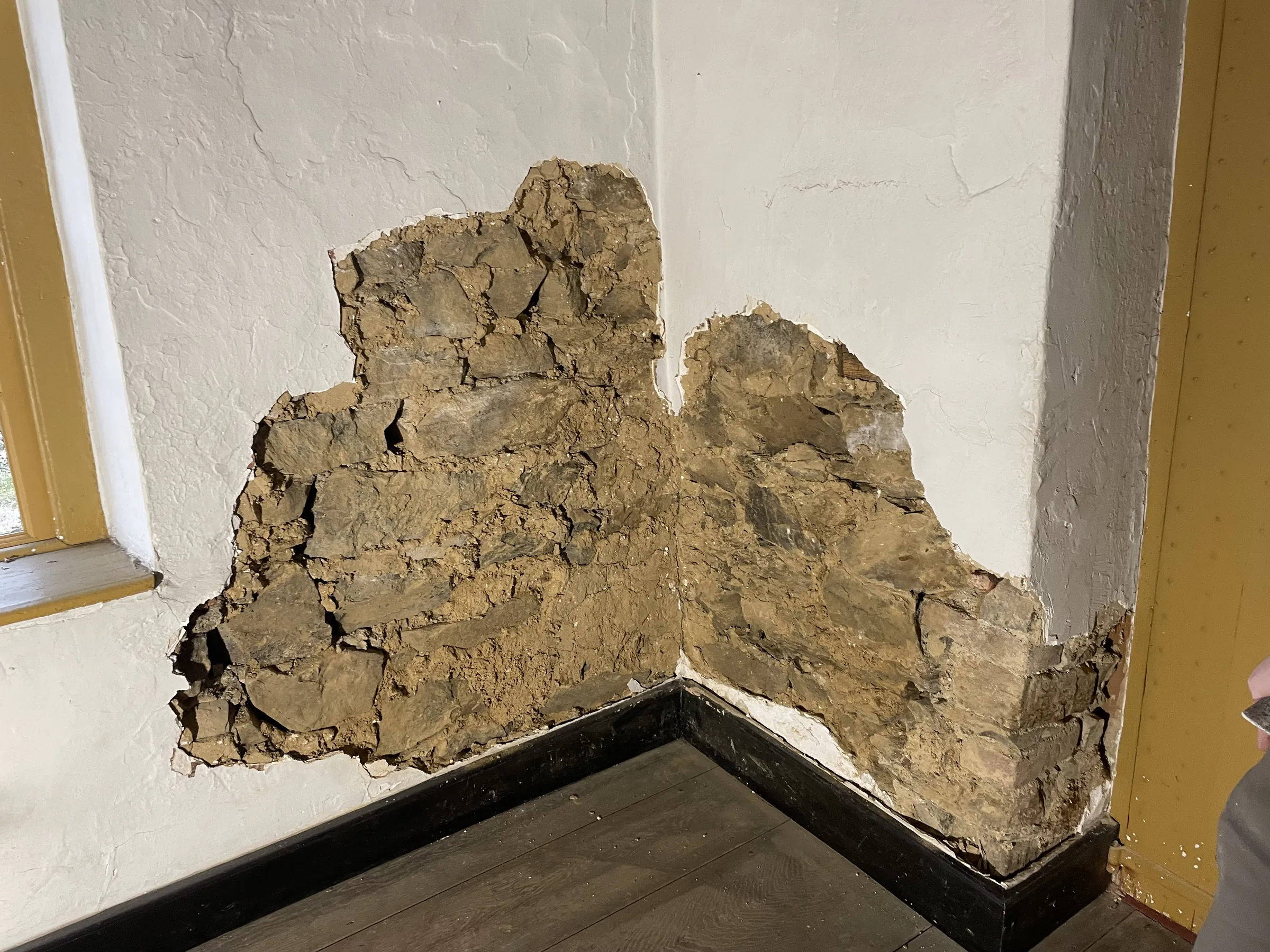
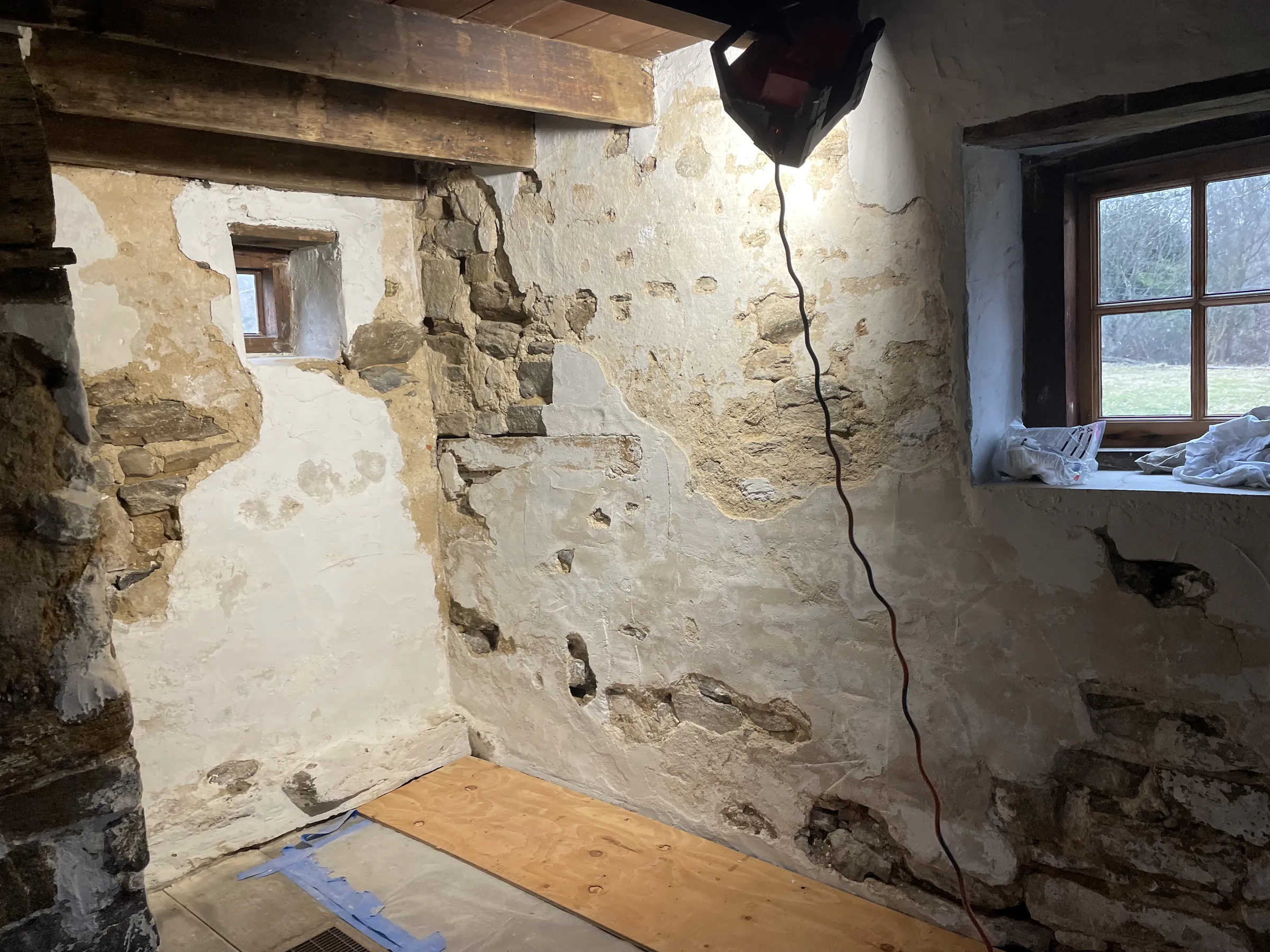
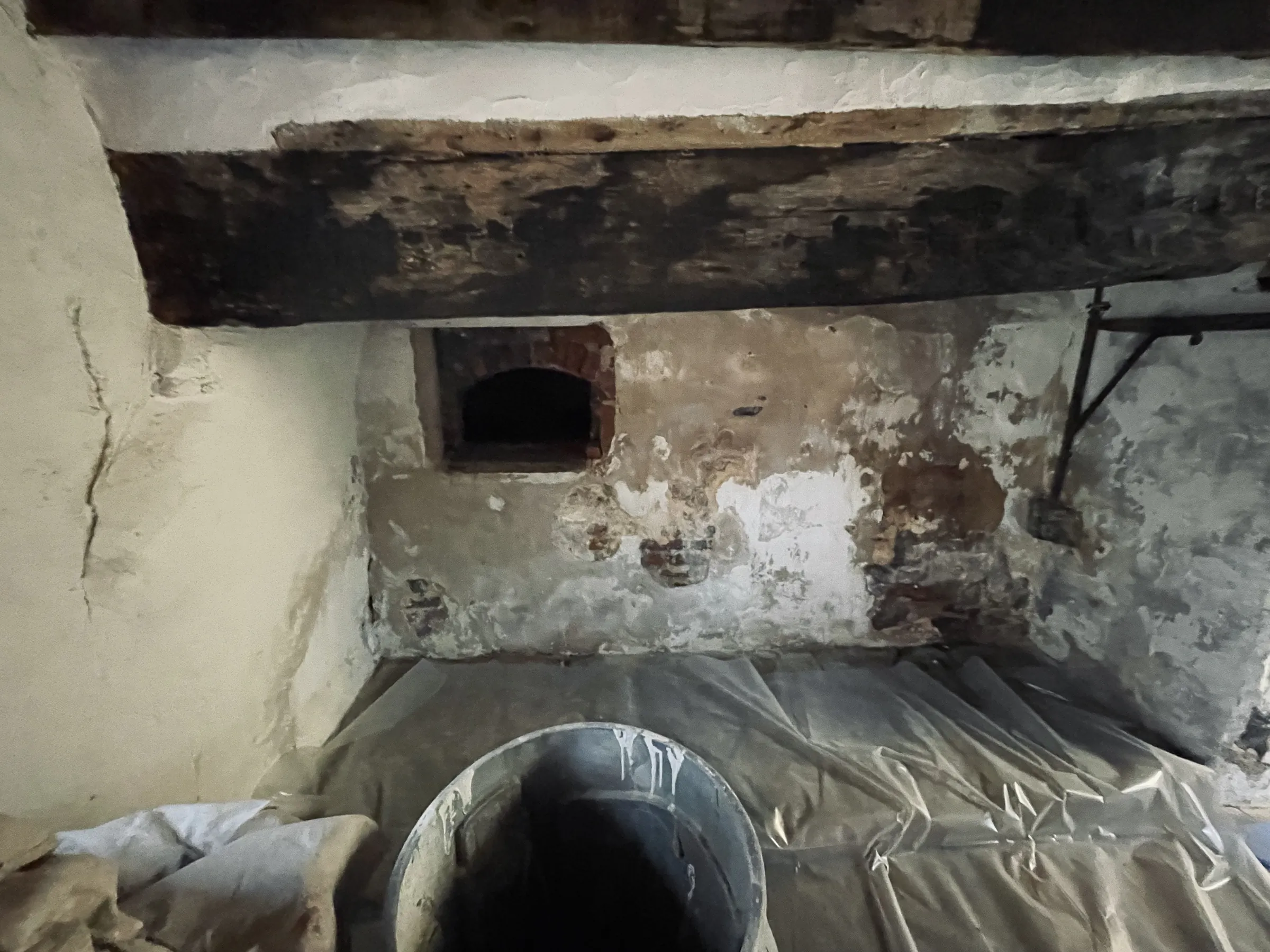
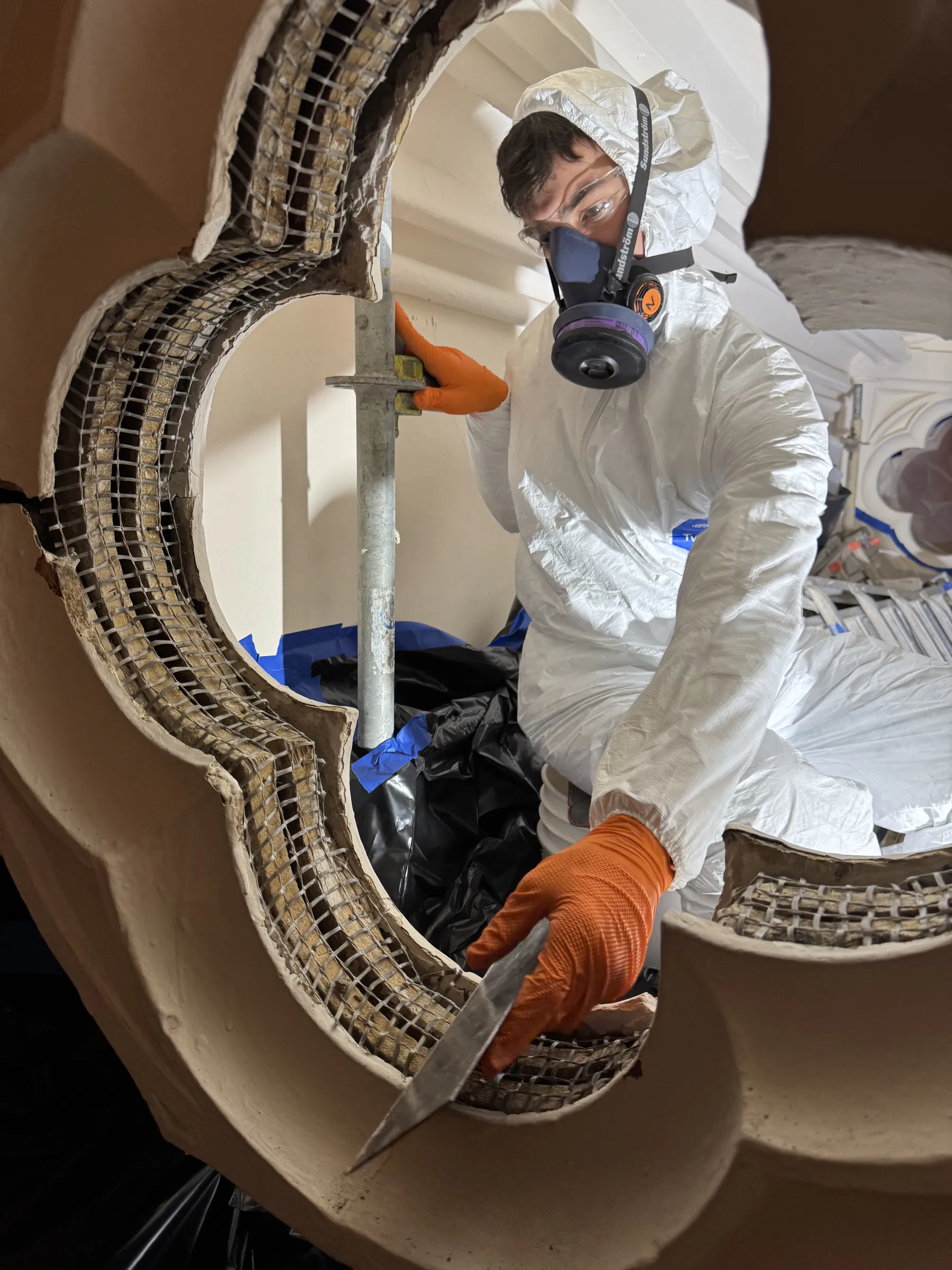
Lime plaster work is often required when interior surfaces show cracking, bulging, separation from the substrate, or persistent dampness. These conditions are frequently found in buildings where moisture migration has been restricted by non-breathable coatings or incompatible patch materials.
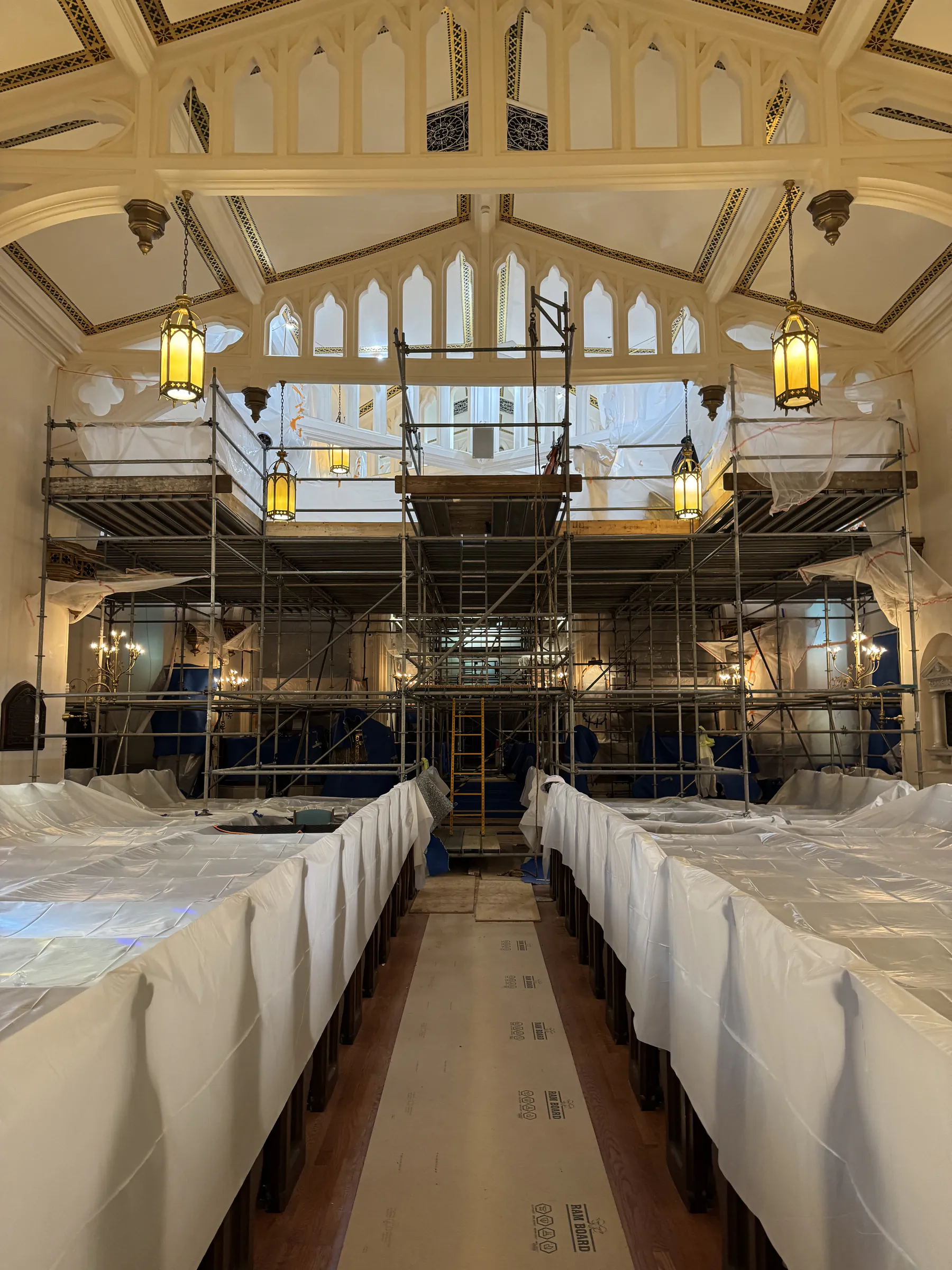
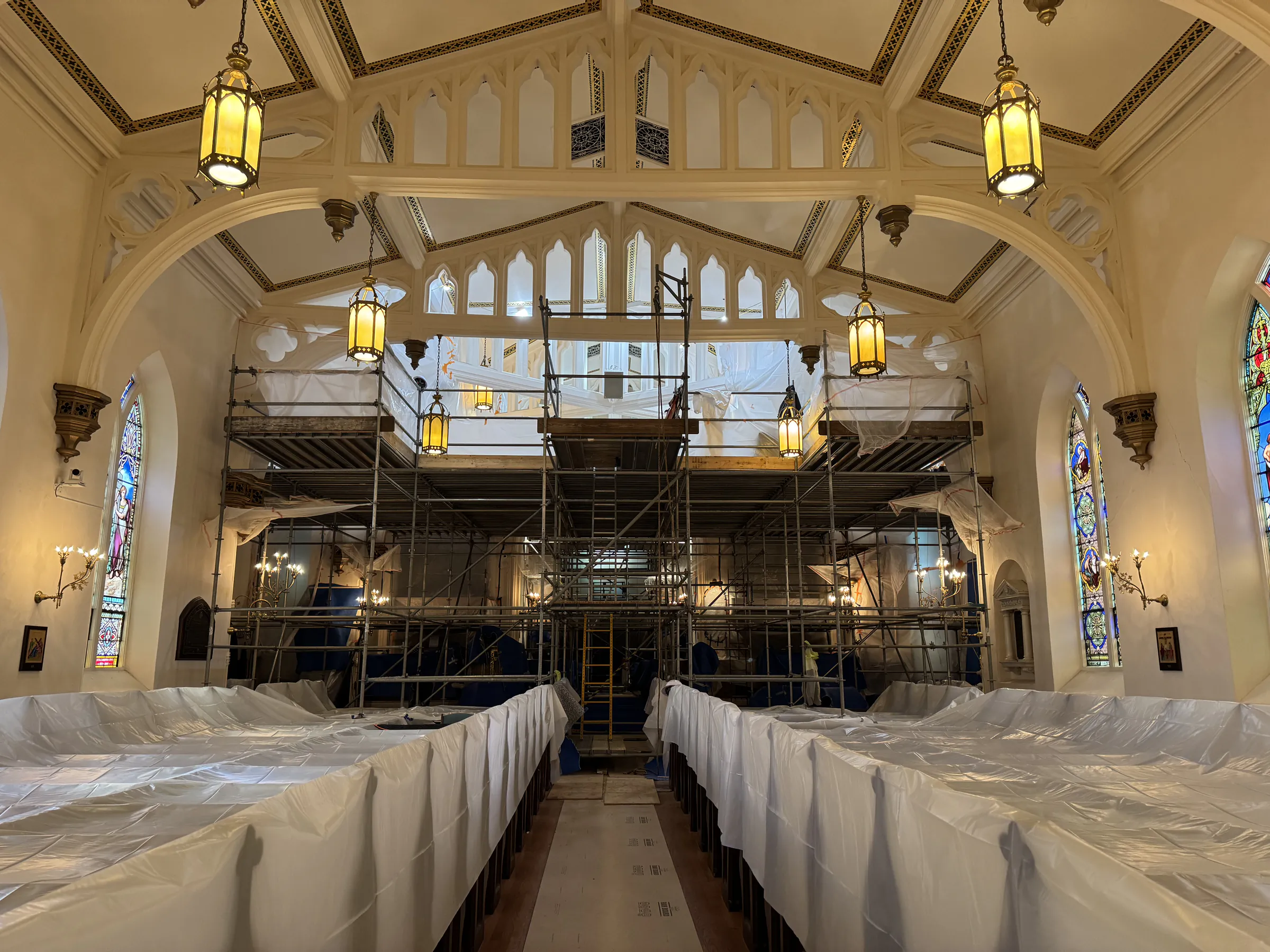
Historic homes, churches, and institutional buildings commonly benefit from lime plaster repairs when restoring original interiors or correcting damage caused by water infiltration or past alterations.
Why Lime Plasters Matter in Historic Structures
Historic interiors were designed to function as part of a breathable system. Lime plasters accommodate subtle movement, regulate humidity, and protect masonry and wood elements behind the finished surface.
Modern plasters and coatings can disrupt this balance, leading to trapped moisture, accelerated decay, and repeated surface failures. Traditional lime plasters restore compatibility and ensure that interior finishes contribute to the overall durability of the structure.
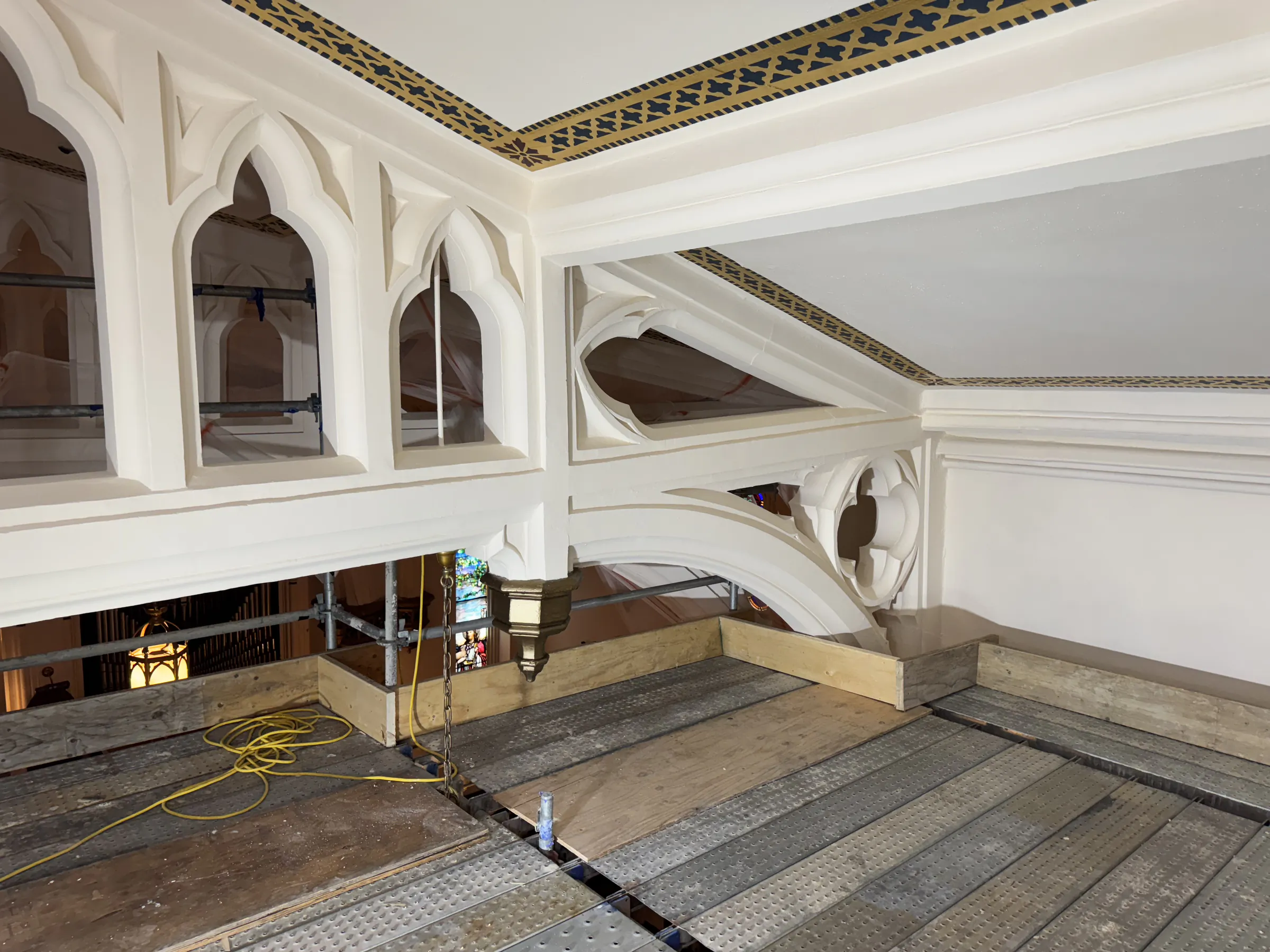
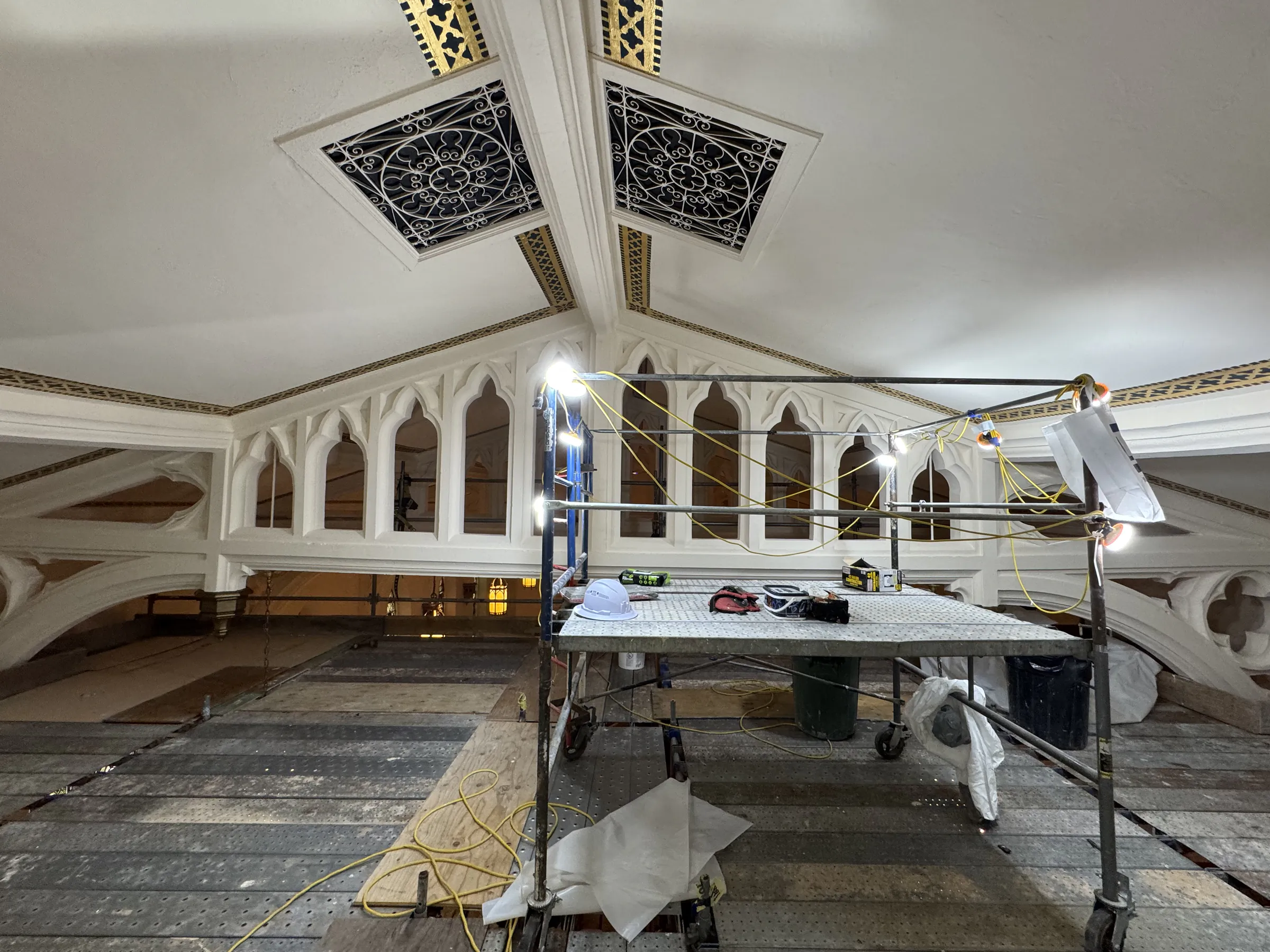
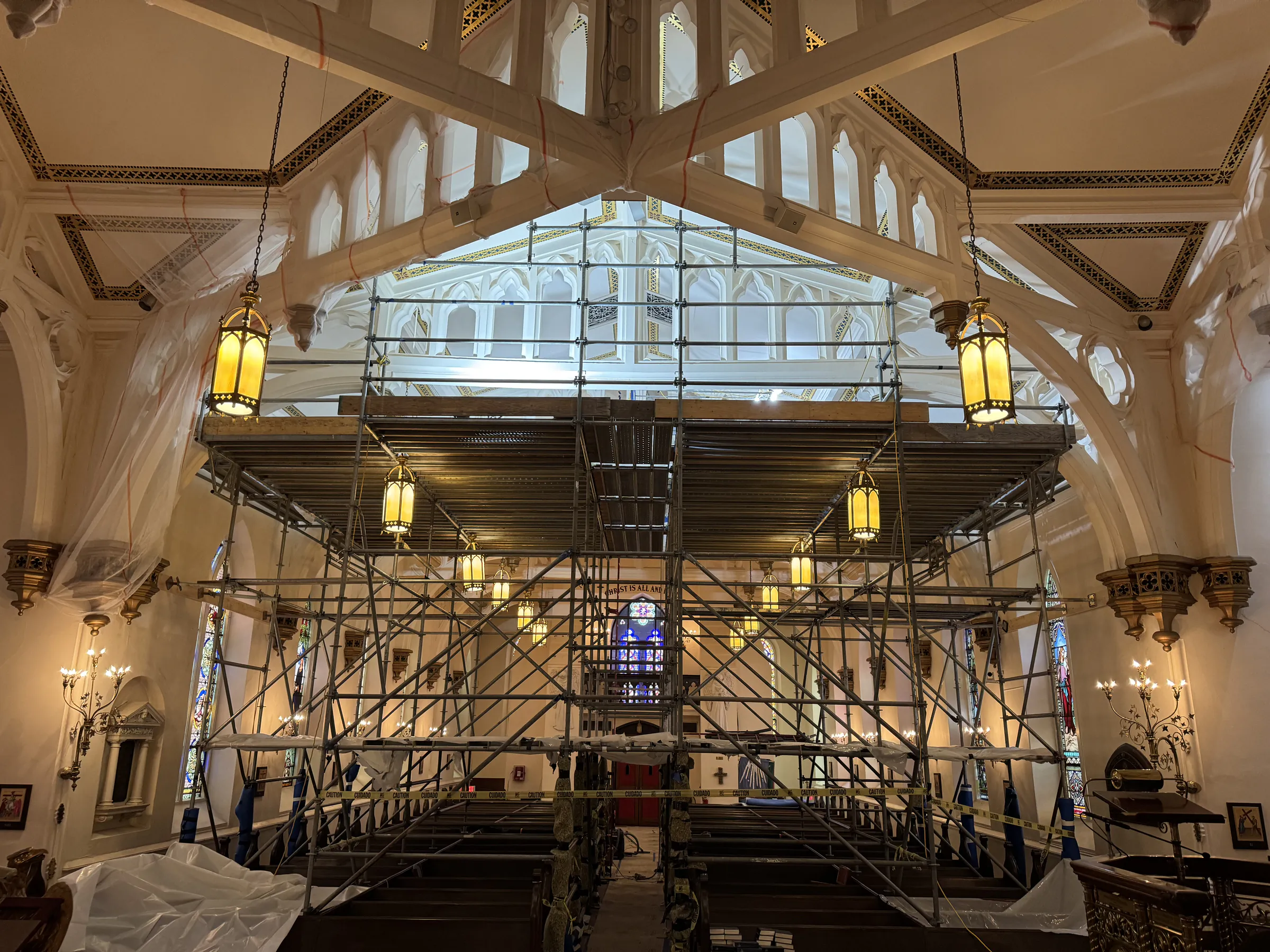
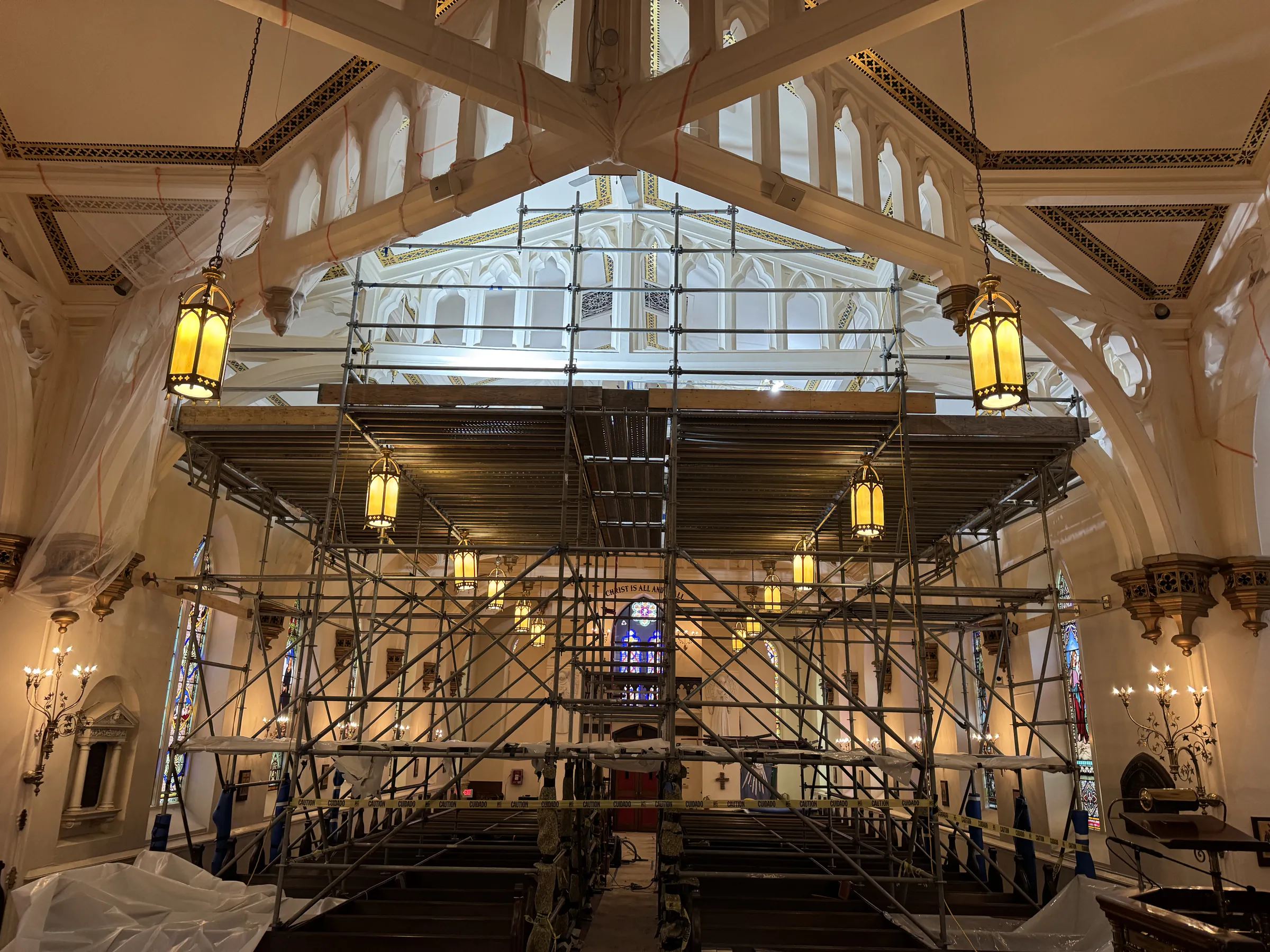
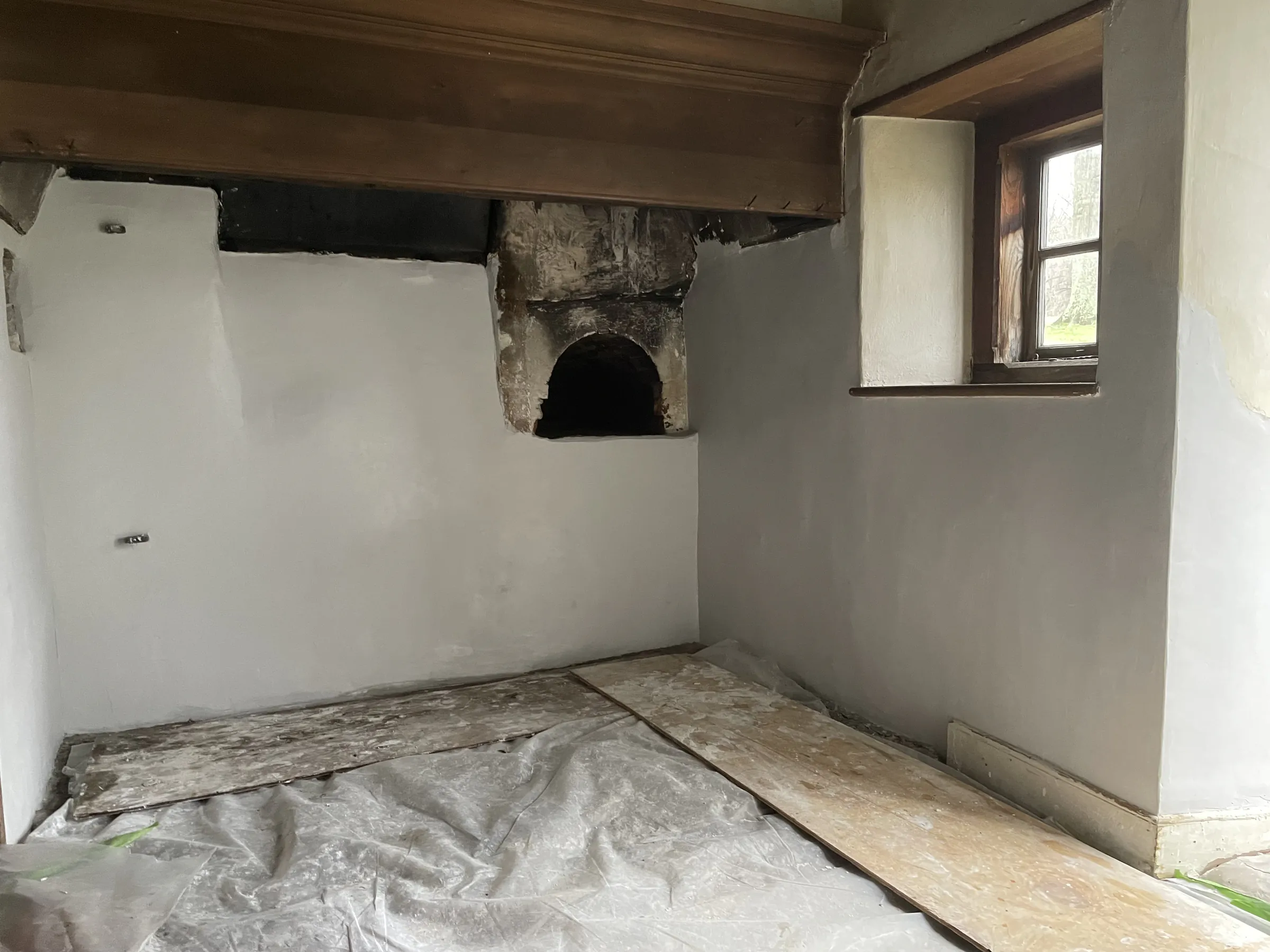
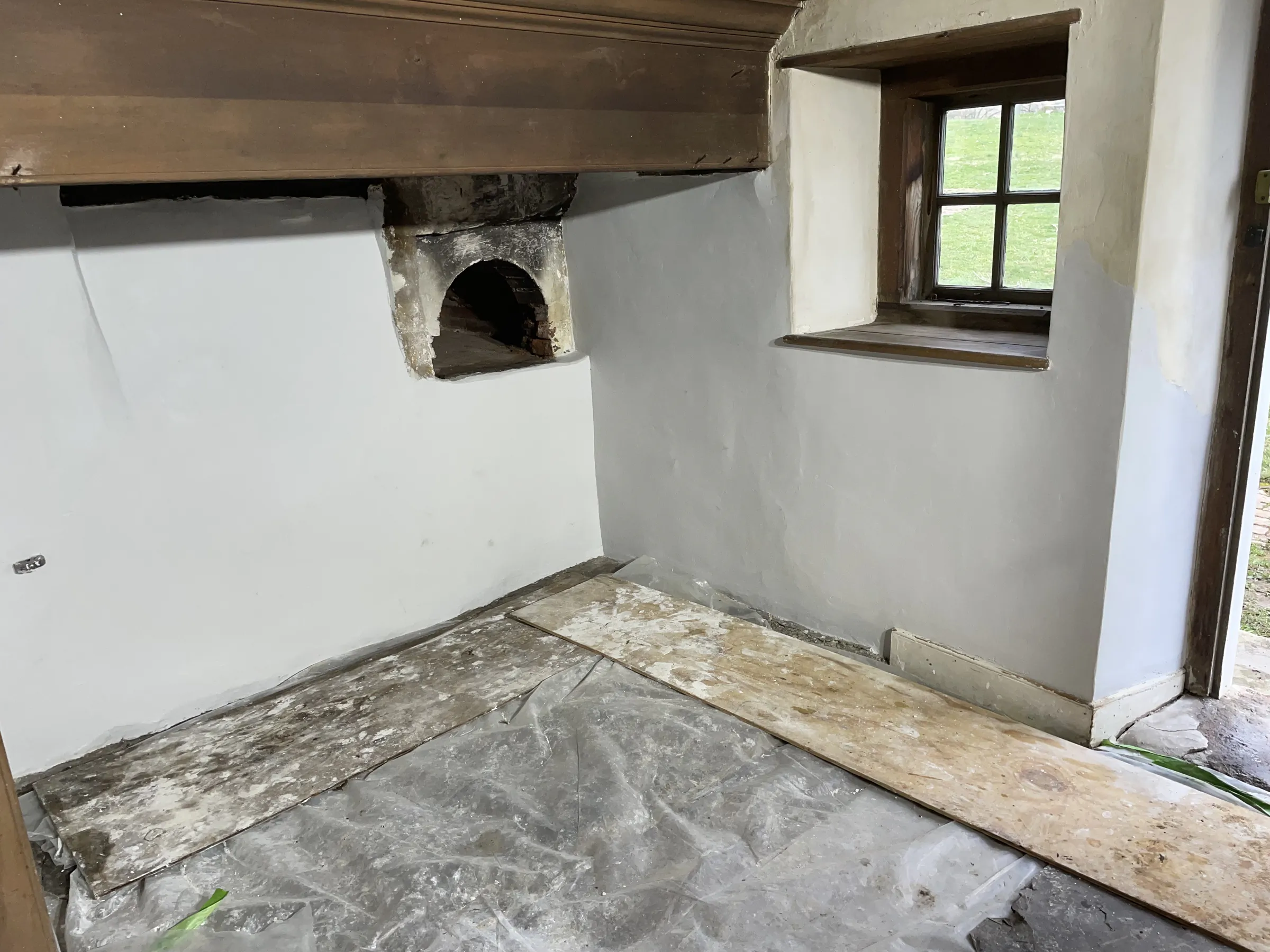
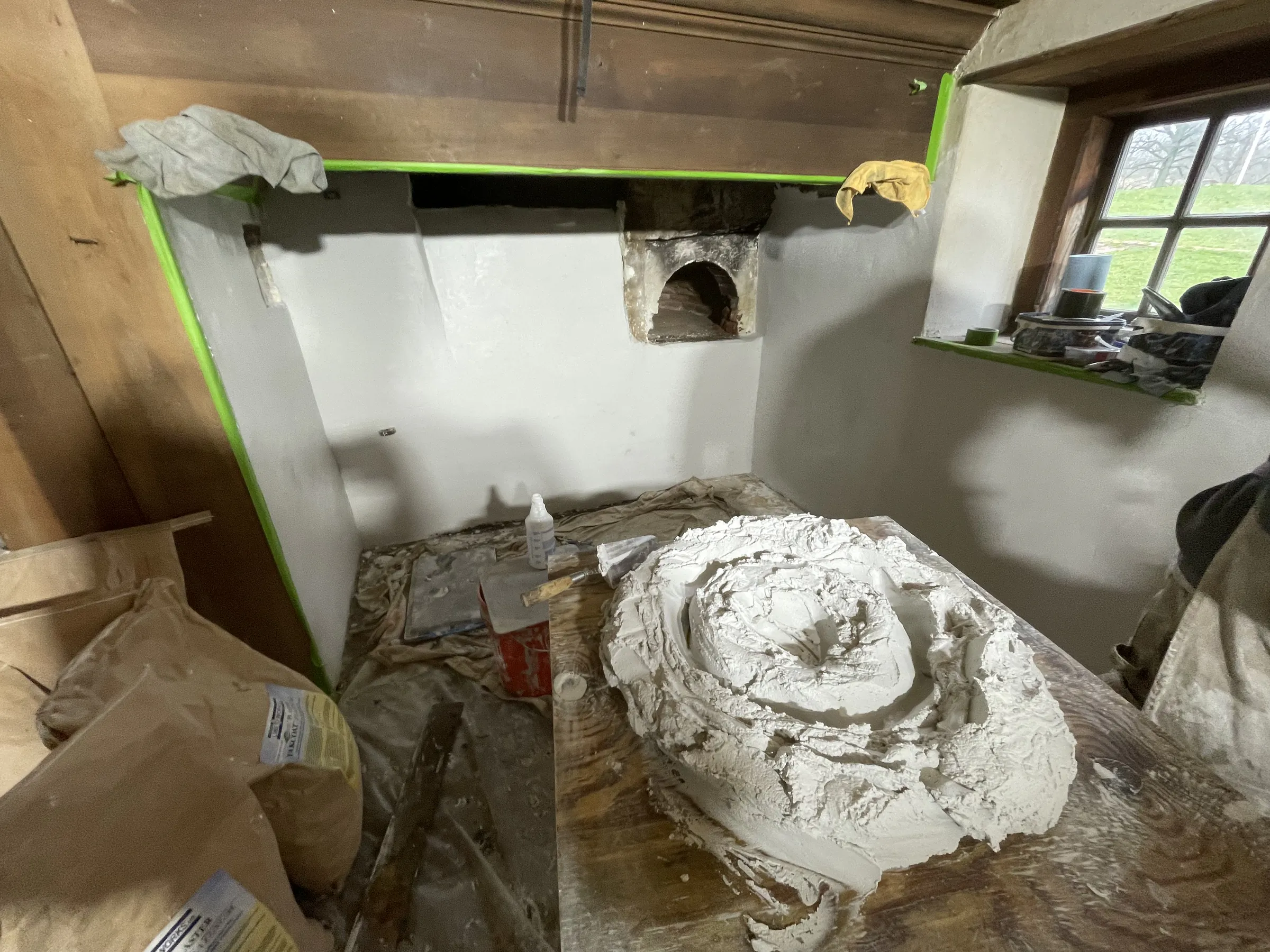
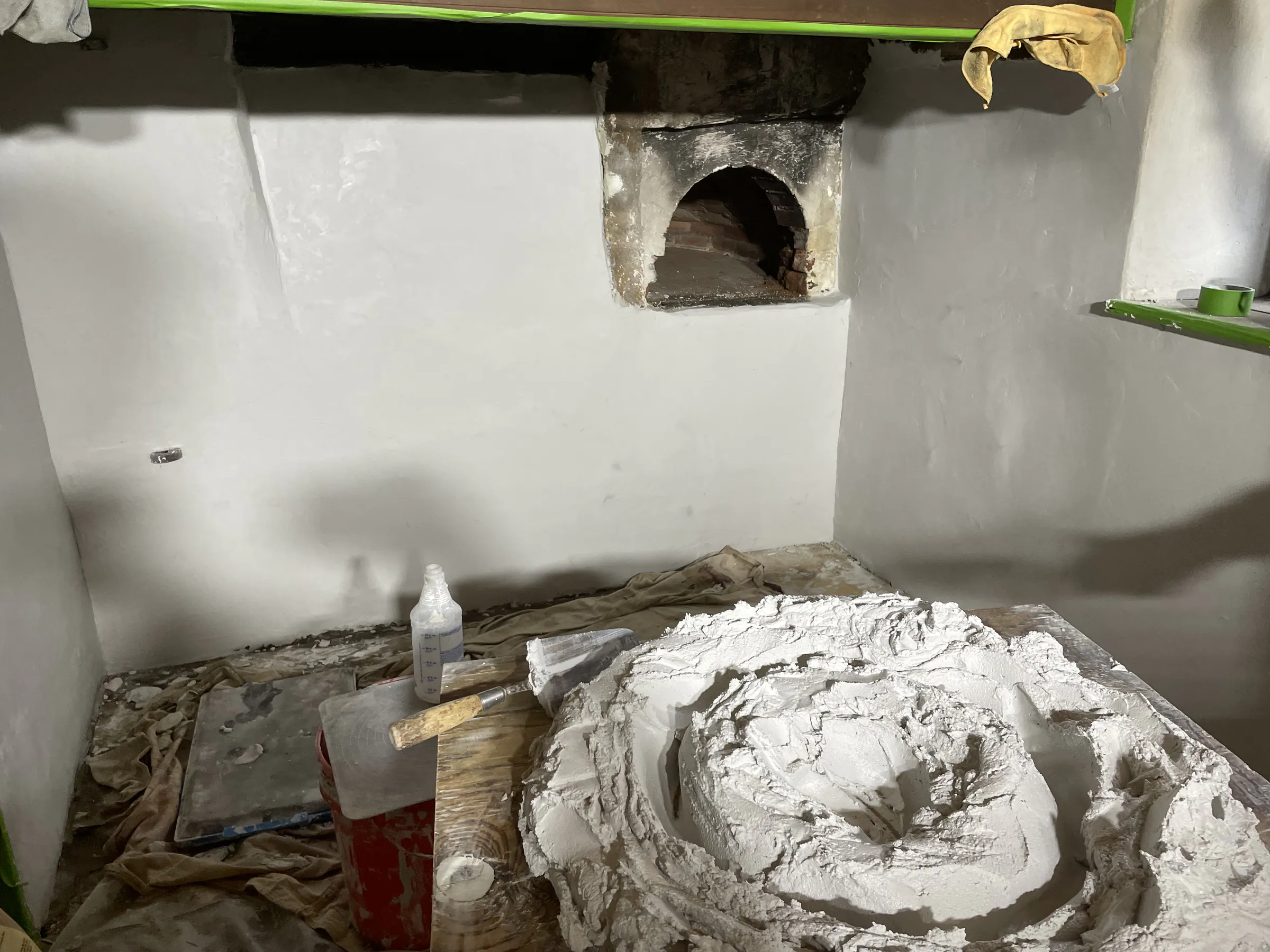
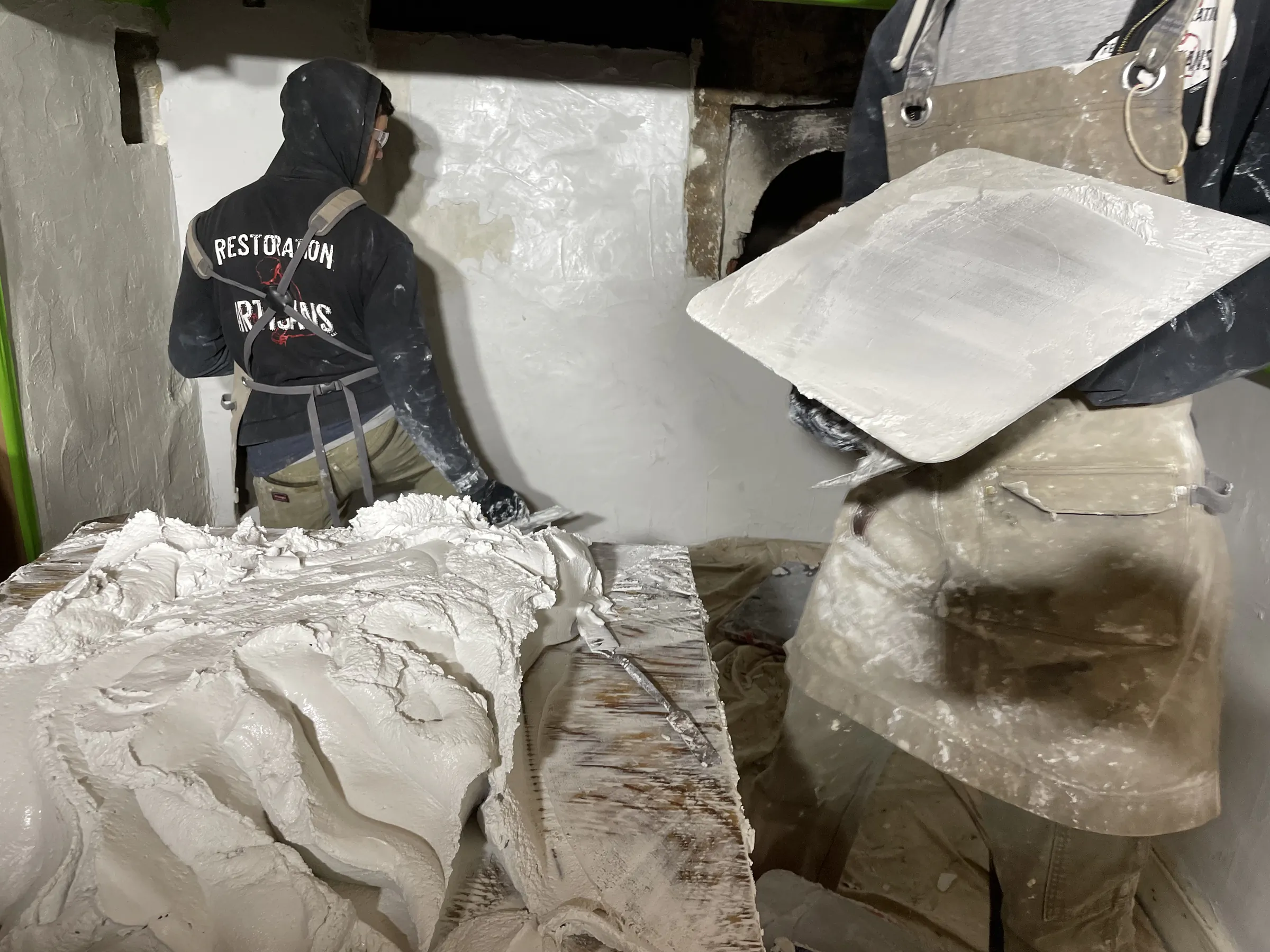
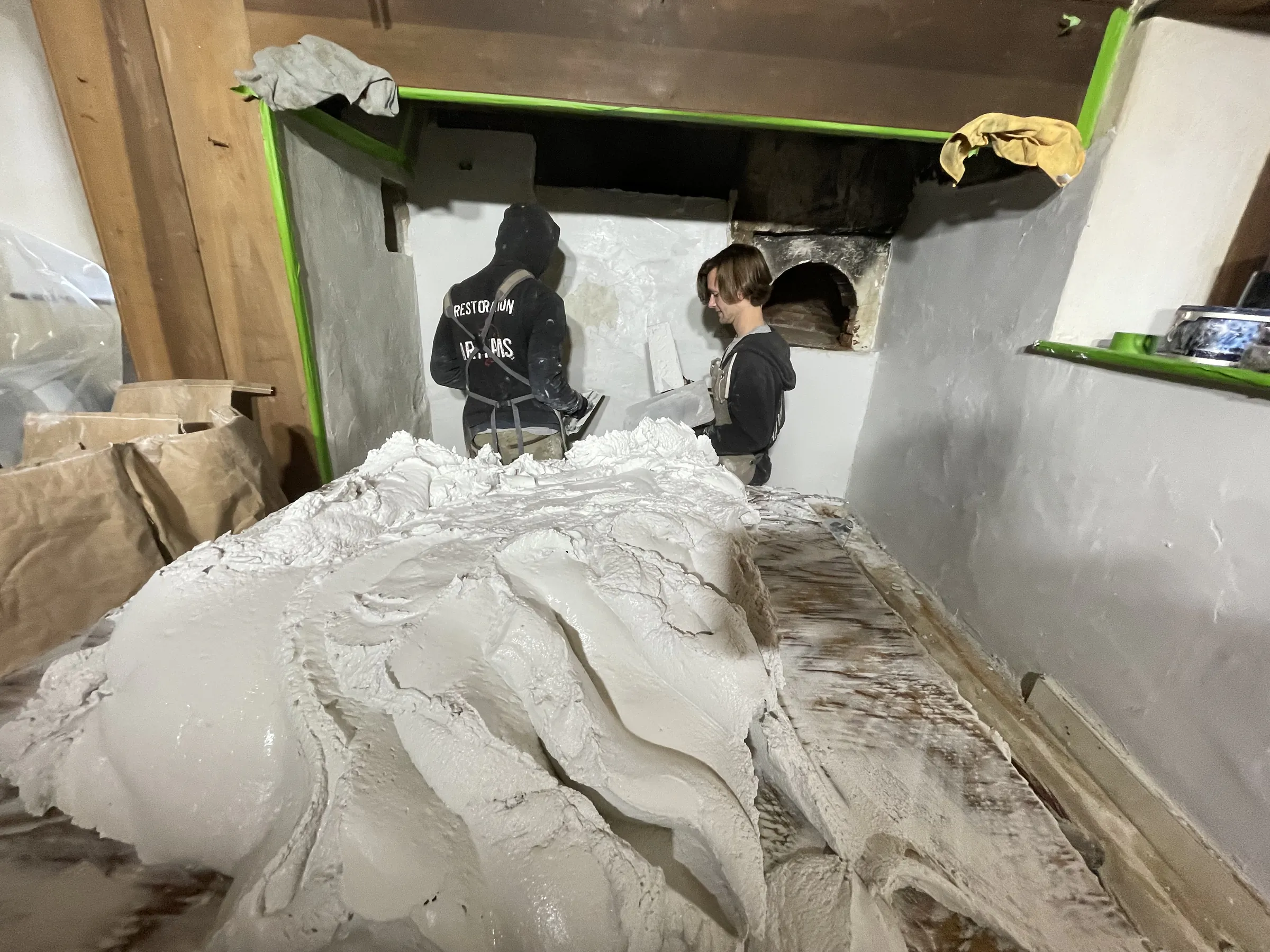
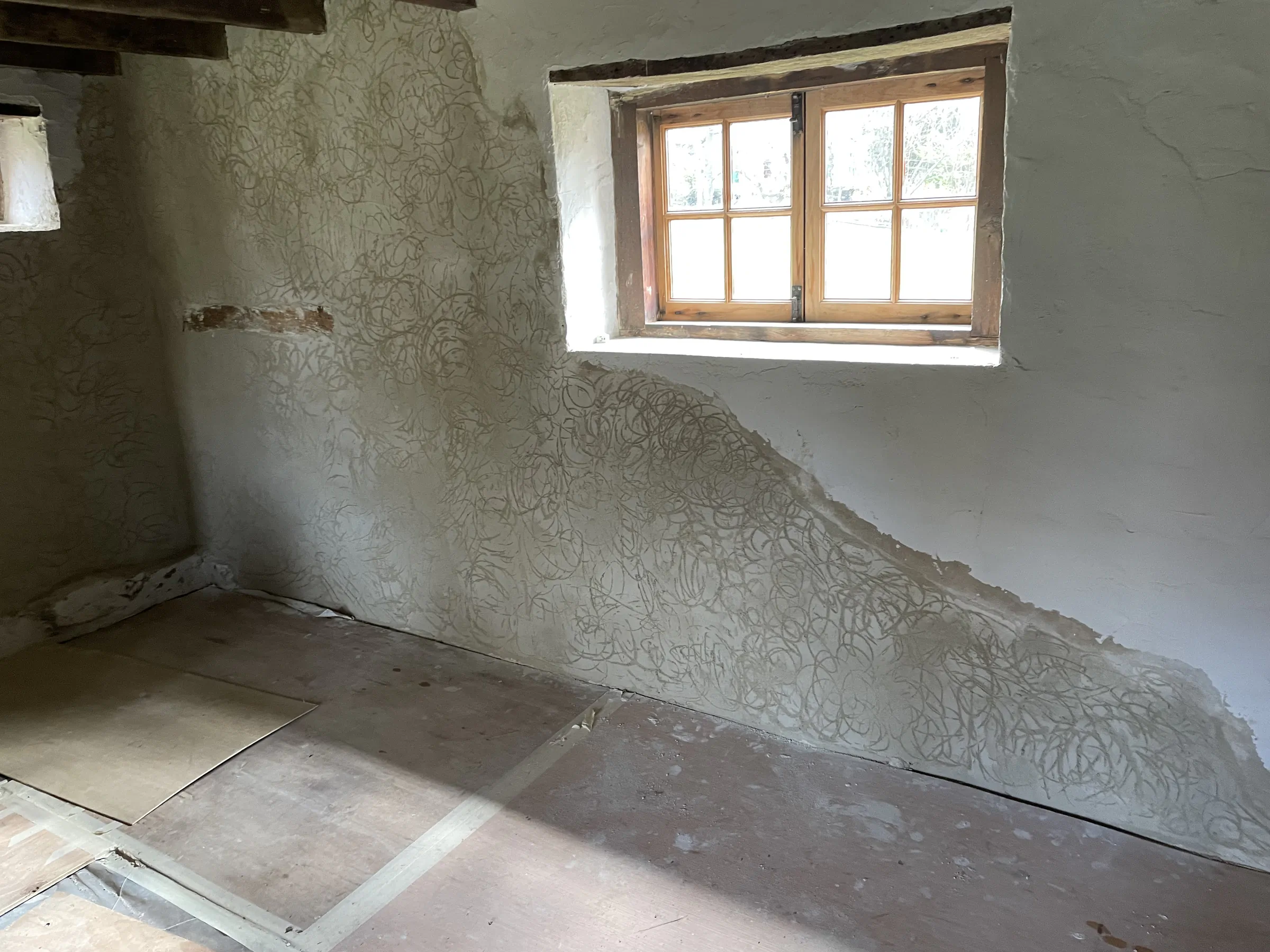
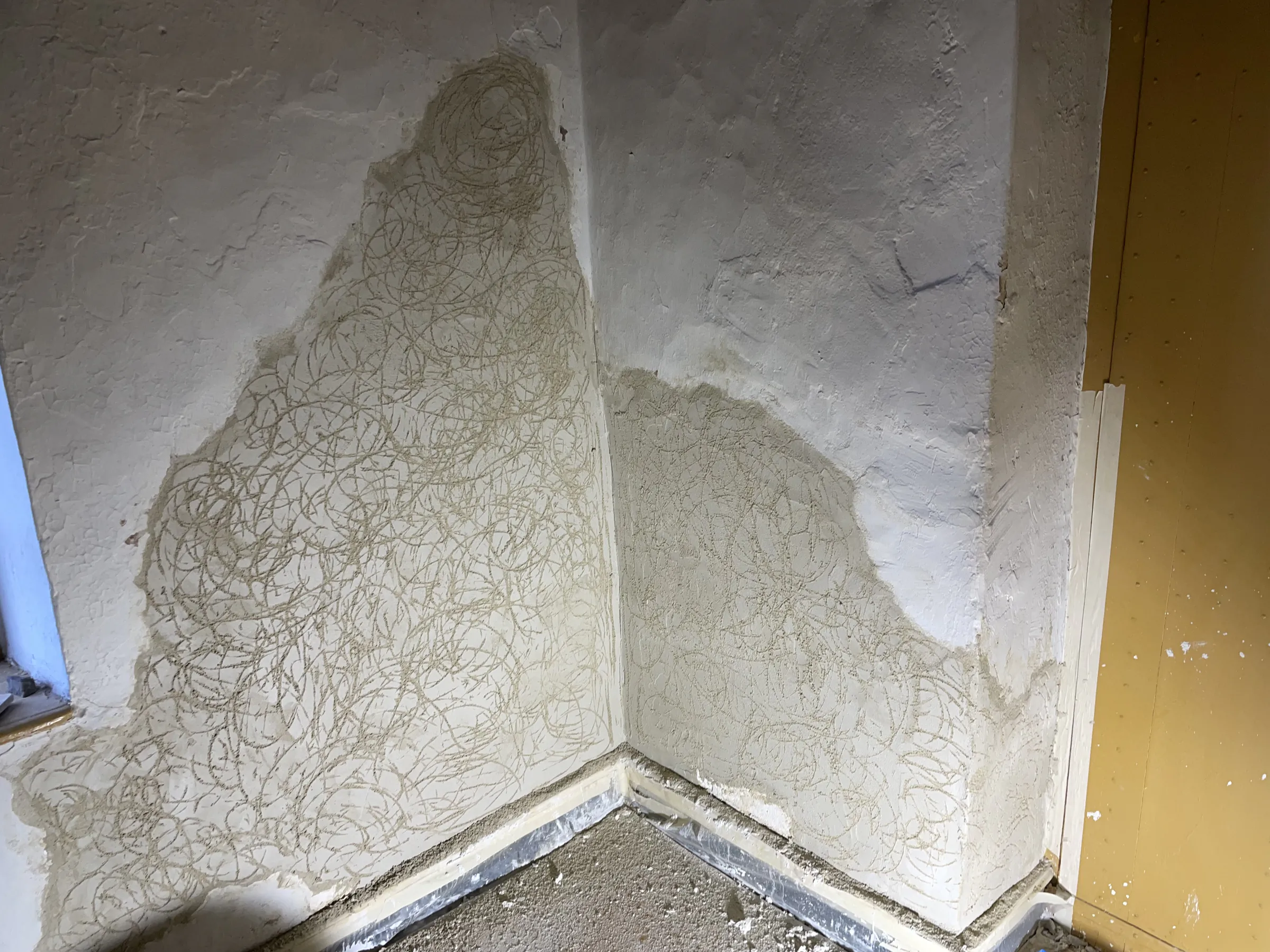
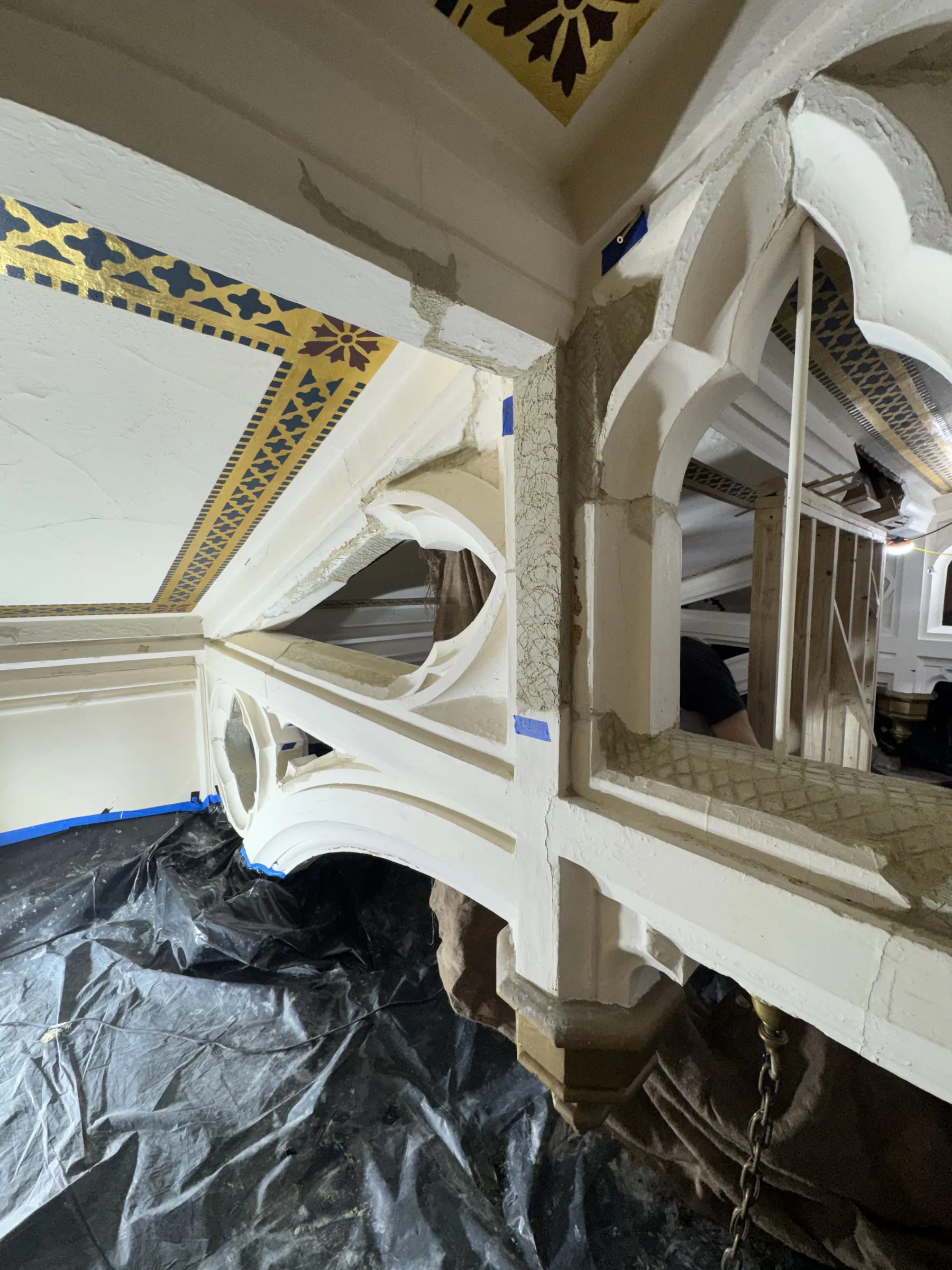
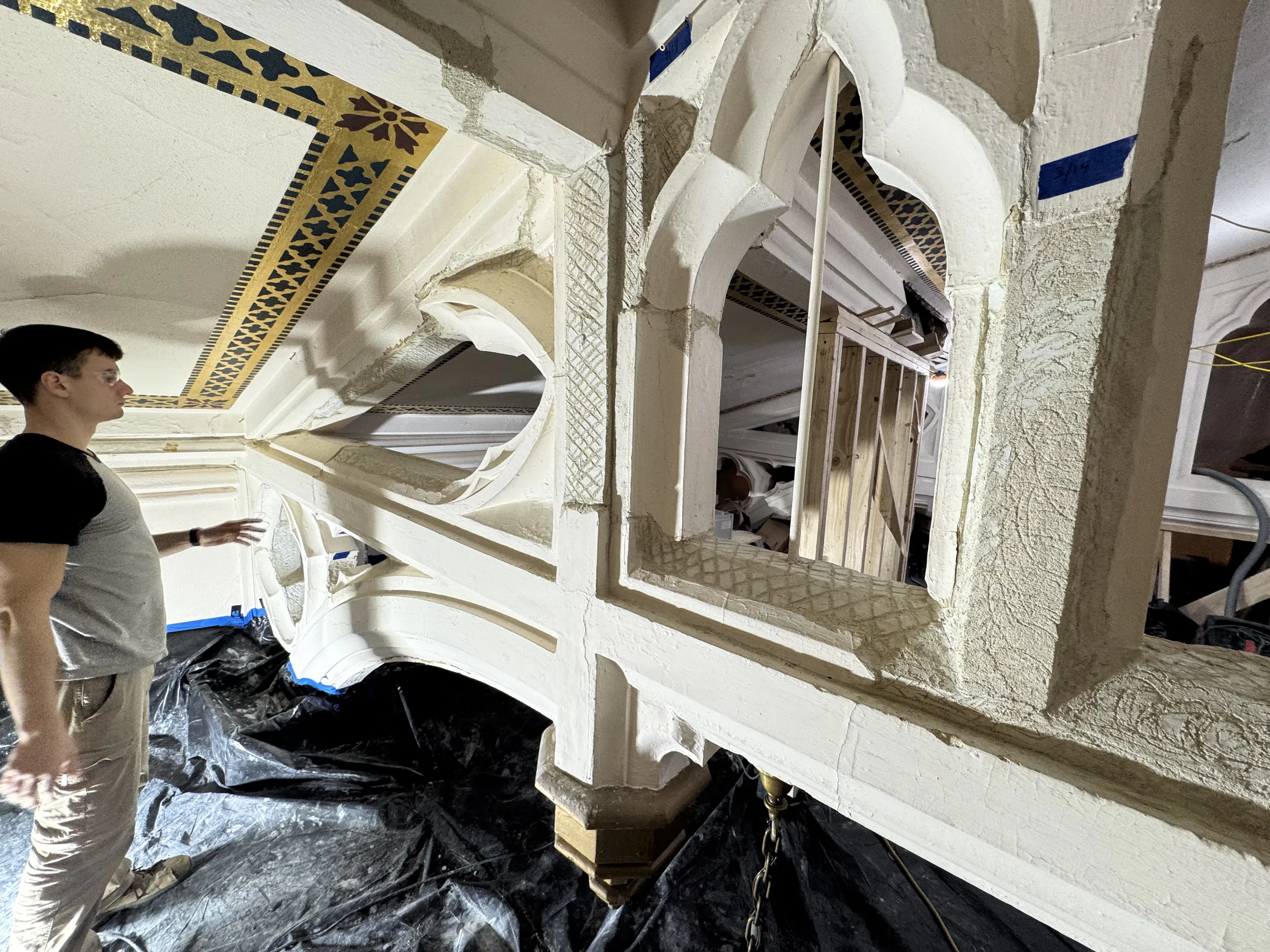
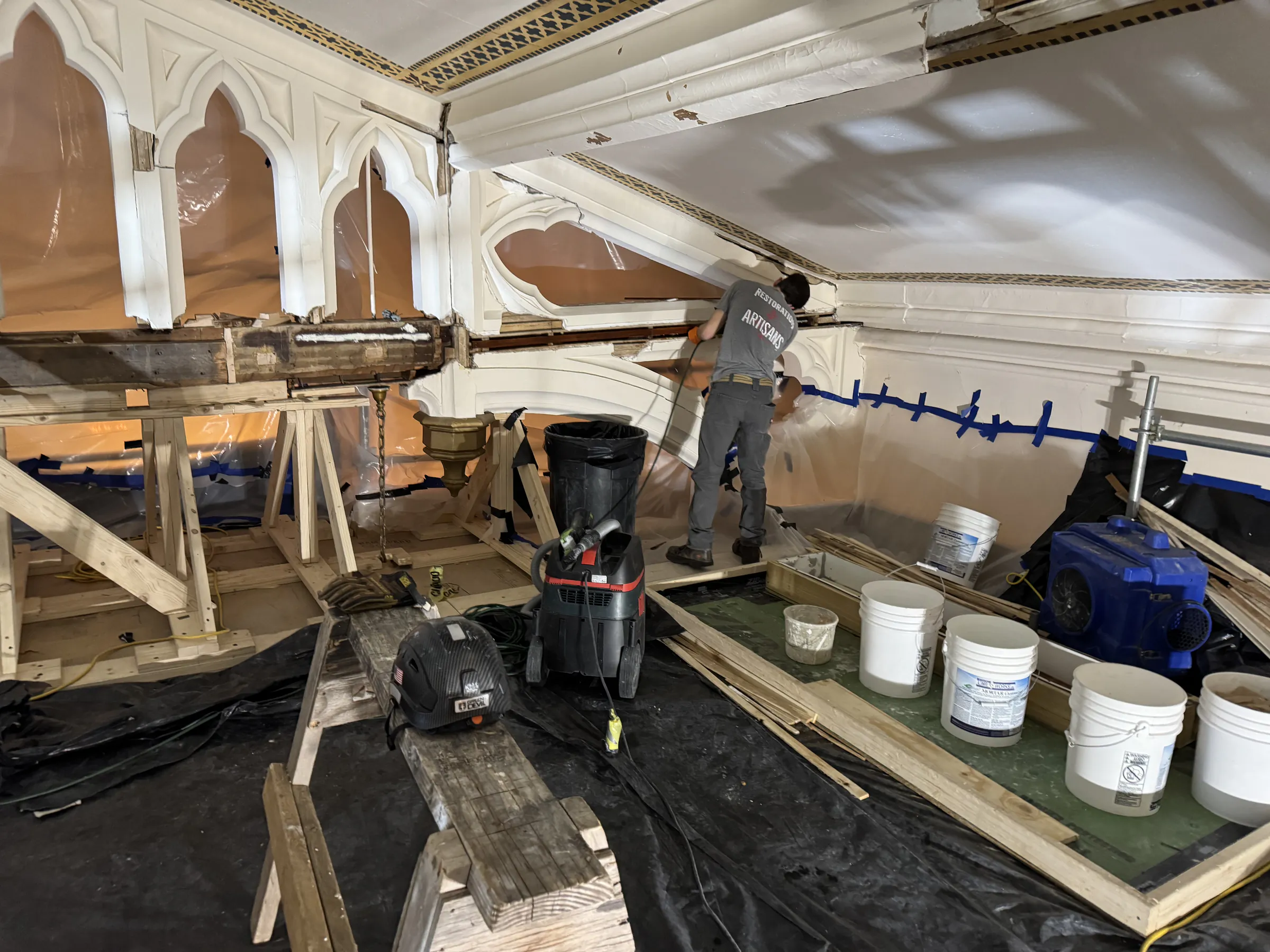
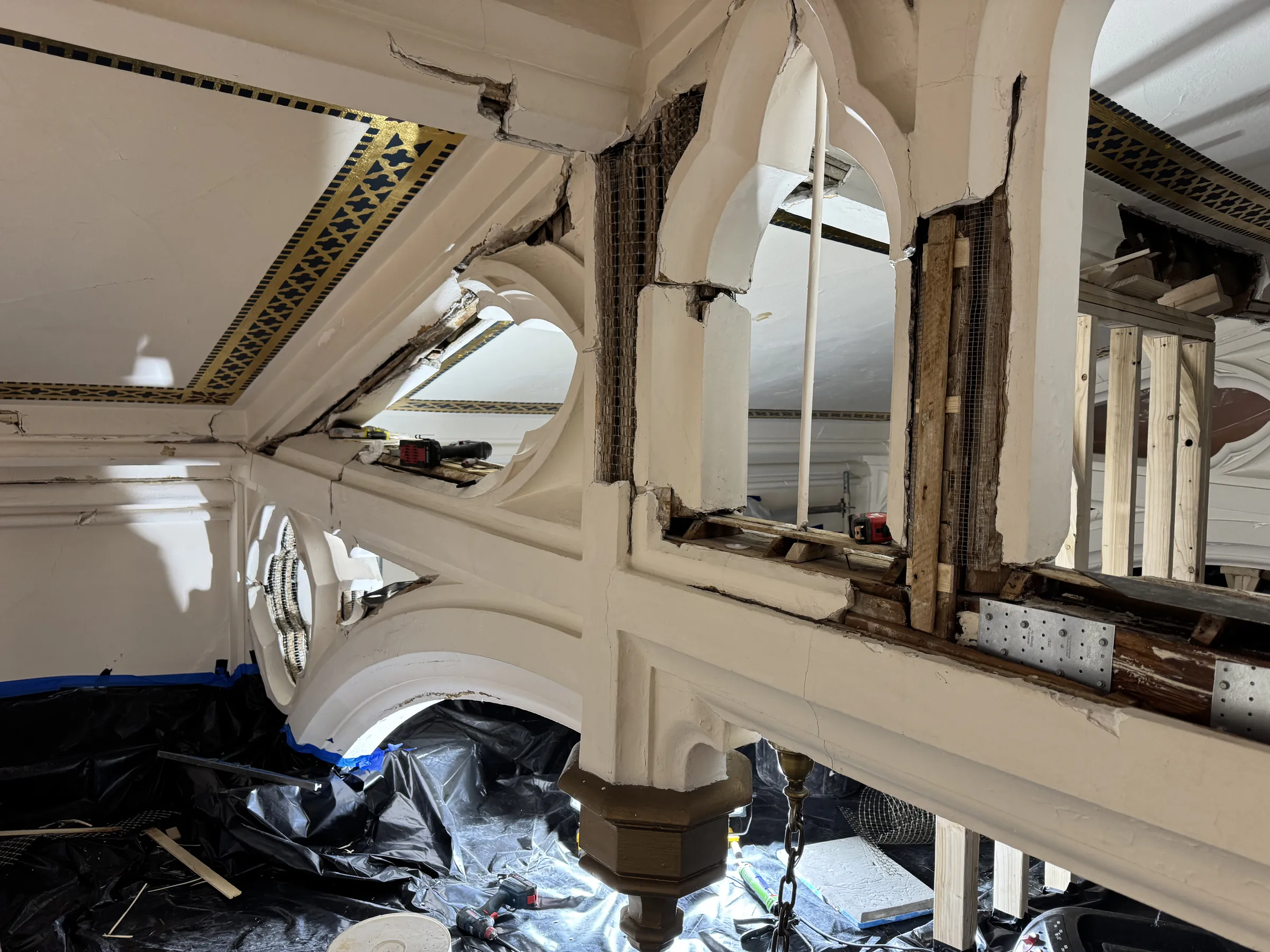
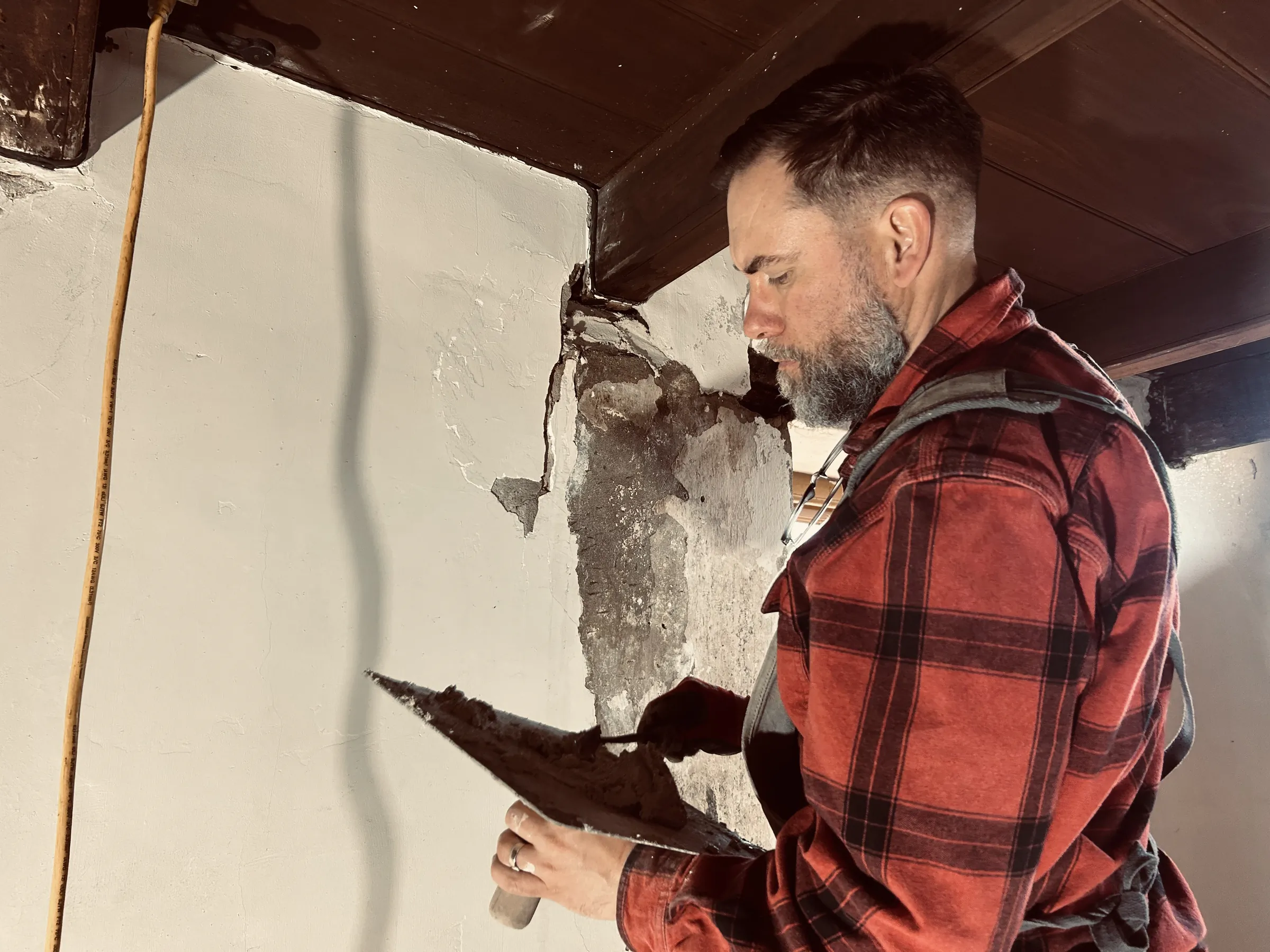
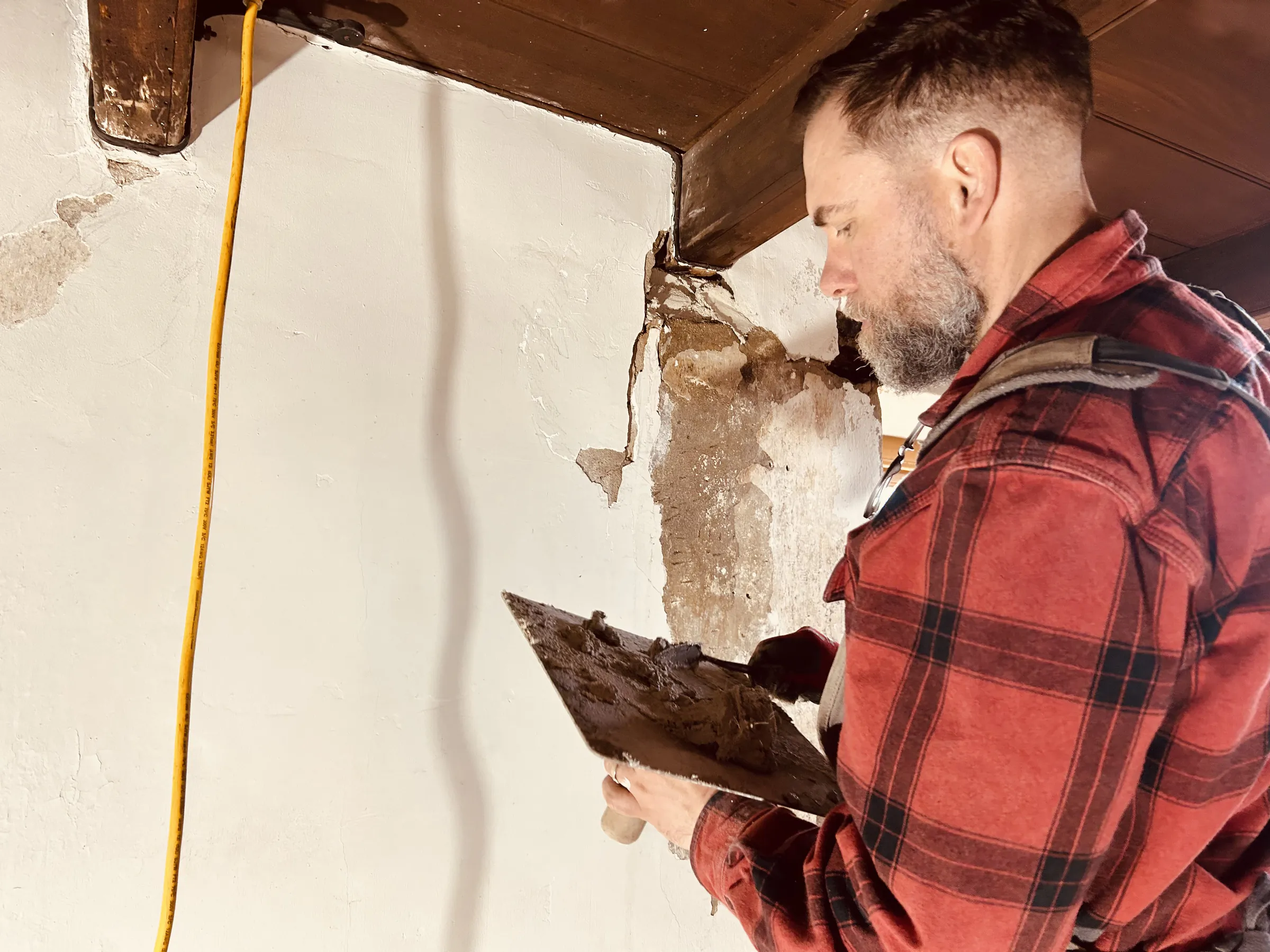
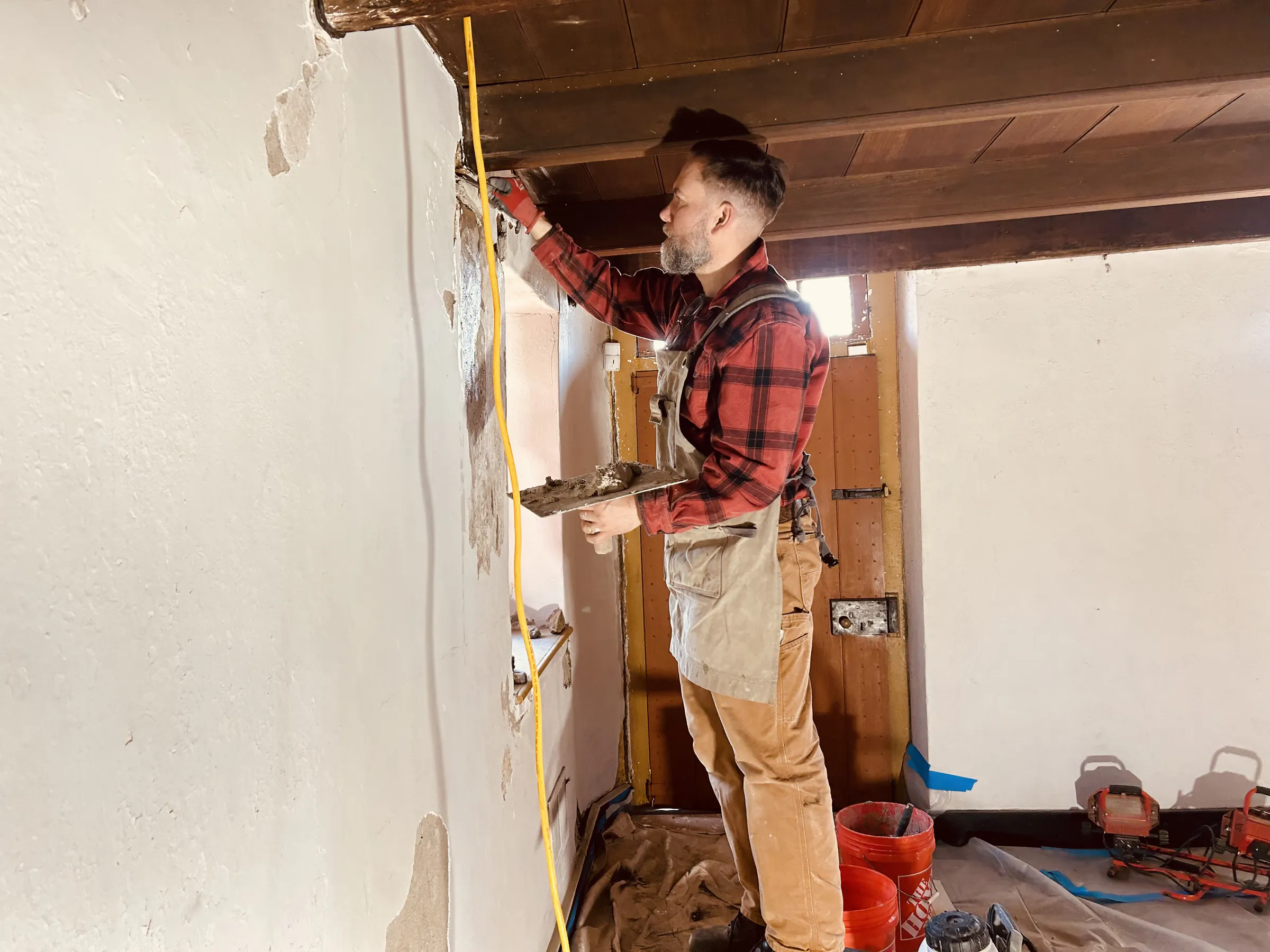
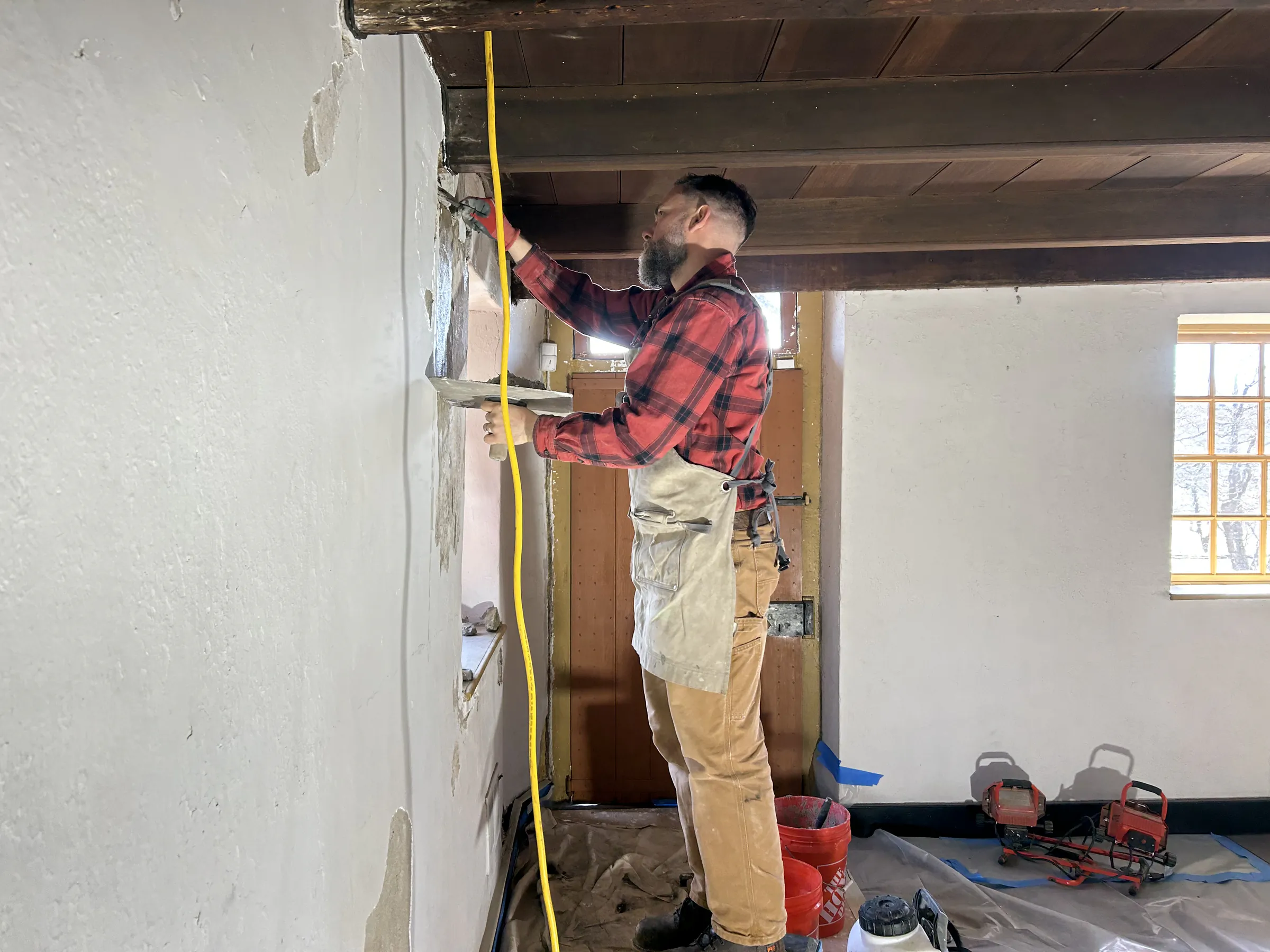
Traditional Lime Plasters in Practice
Our Approach to Historic Restoration
Meet & Discuss
Reference from previous clients and similar preservation work will be presented along with a letter of experience documenting Restoration Artisans, LLC. previously accomplished projects.
Diagnose
Each historic masonry restoration project requires a unique diagnosis of the issues that contributed to the necessity for repairs. Restoration Artisans will first understand the contributing factors that caused the repairs, then suggest an appropriate course of action to restore the structure correctly.
Propose Solutions
Restoration Artisans will propose a thoughtful solution, based on successful historic masonry restoration projects, that will provide a lasting repair to the specific needs of the structure without accelerating deterioration to the facade.
Restoration Project
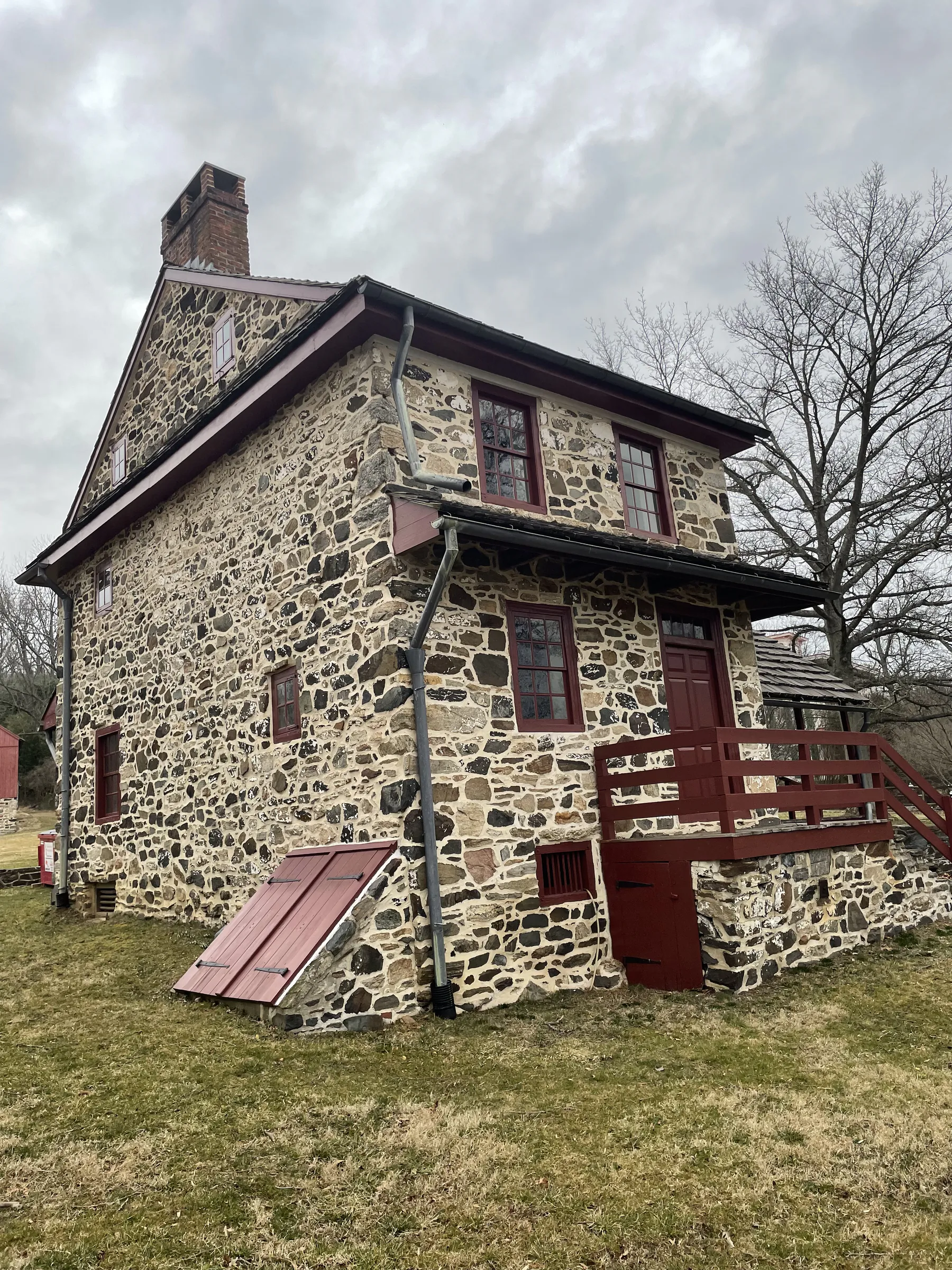
Using the highest quality materials and techniques, Restoration Artisans will begin the process of restoring the building to it’s original glory, being sensitive to the historic nature of the structure and respectful of the surrounding property. Whether it is a colonial limestone farmhouse that requires lime mortar repointing, a brownstone building that is need of repair with Jahn Restoration Mortars and stone replacement, or a historic bank barn that requires structural stonemasonry and woodworking repairs, Restoration Artisans can help.
How This Method Is Typically Applied
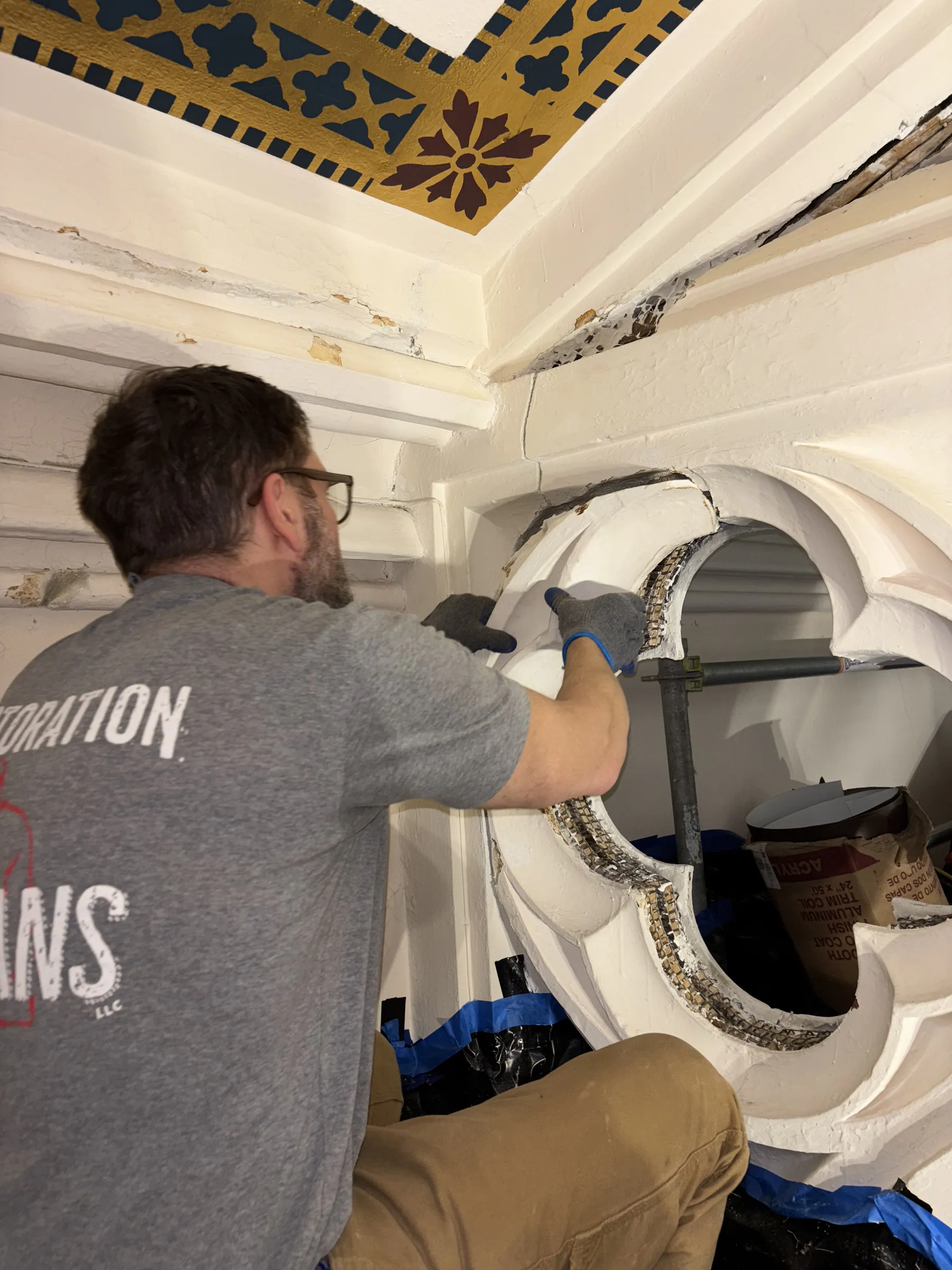
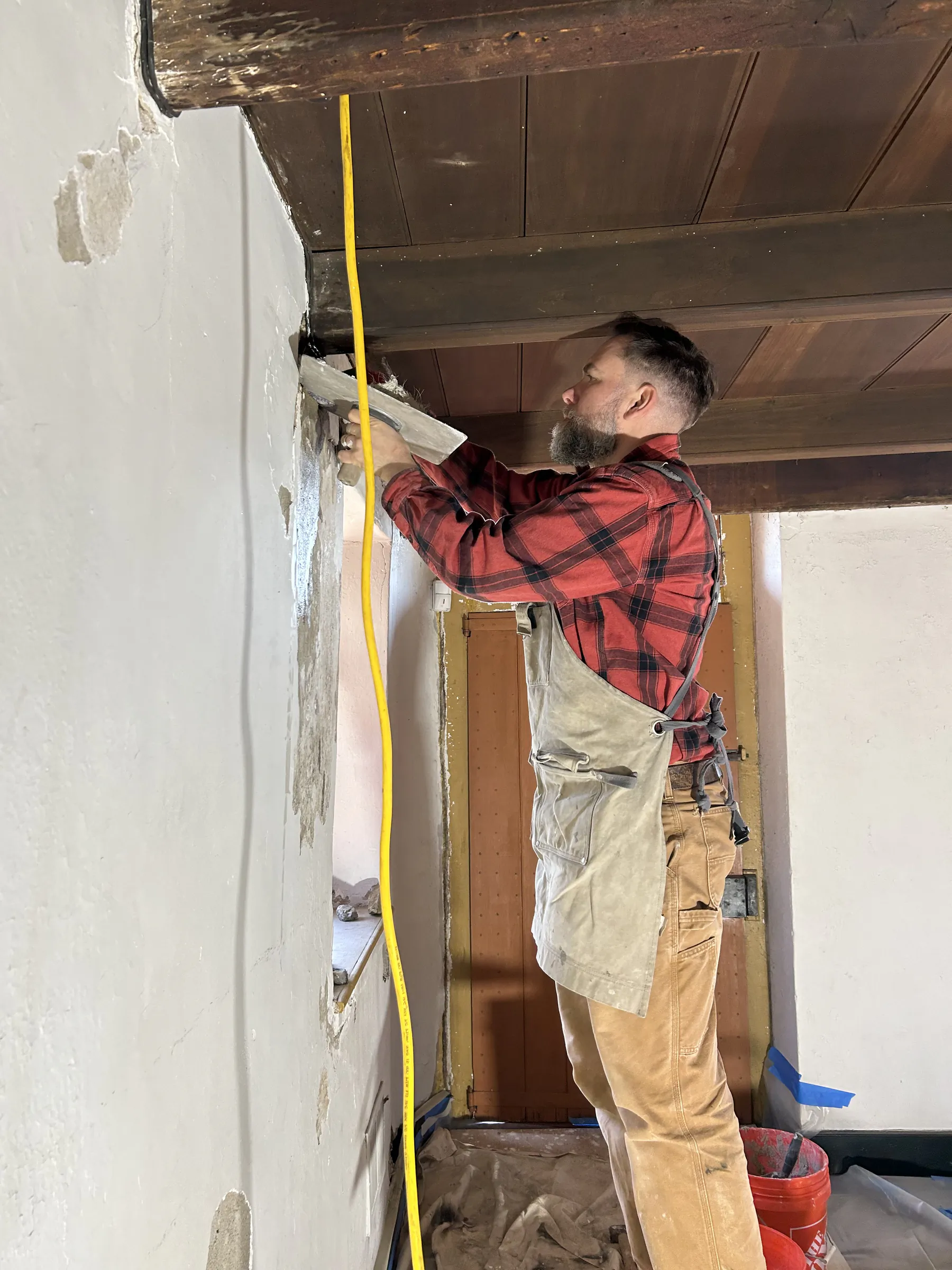
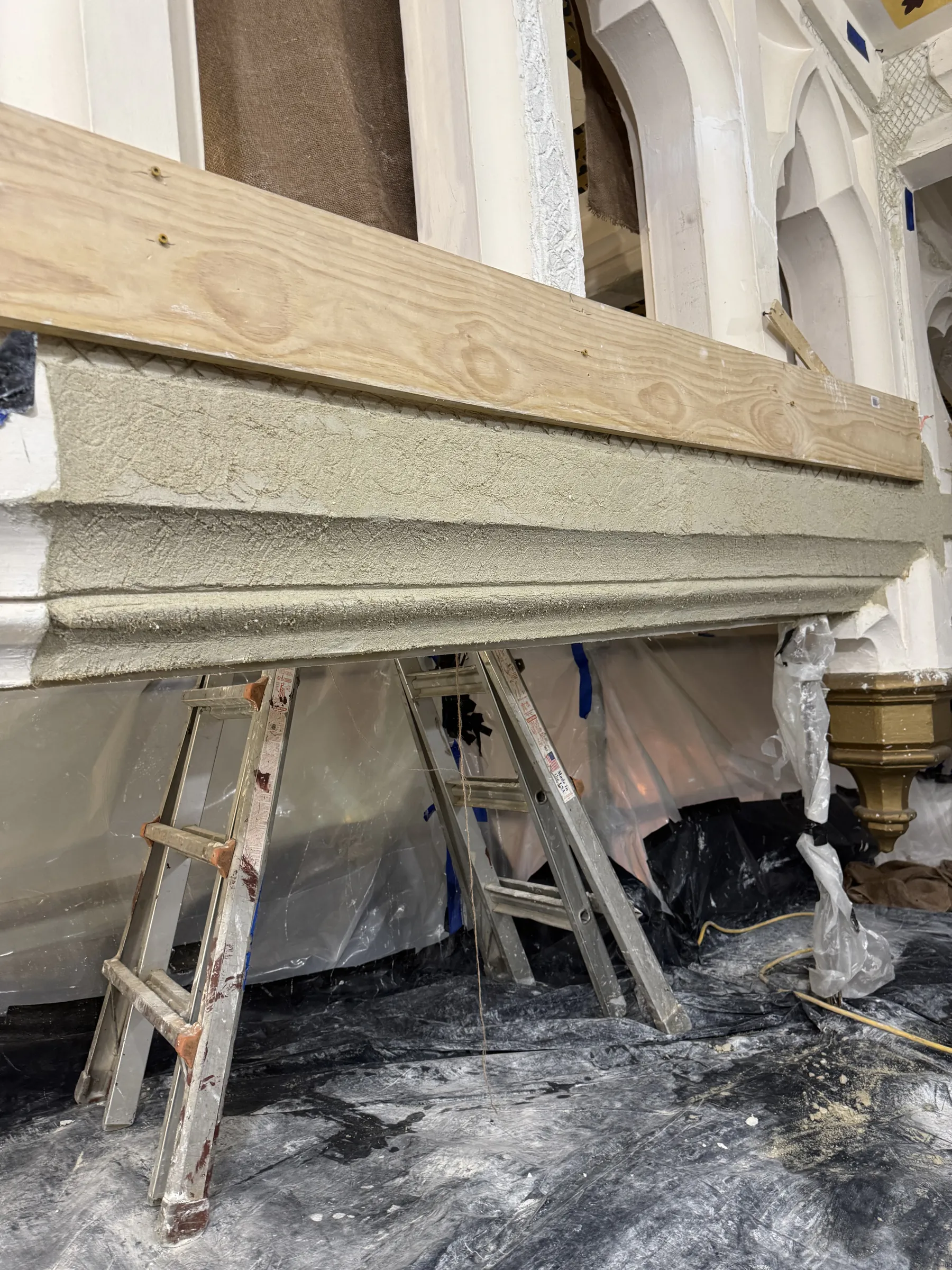
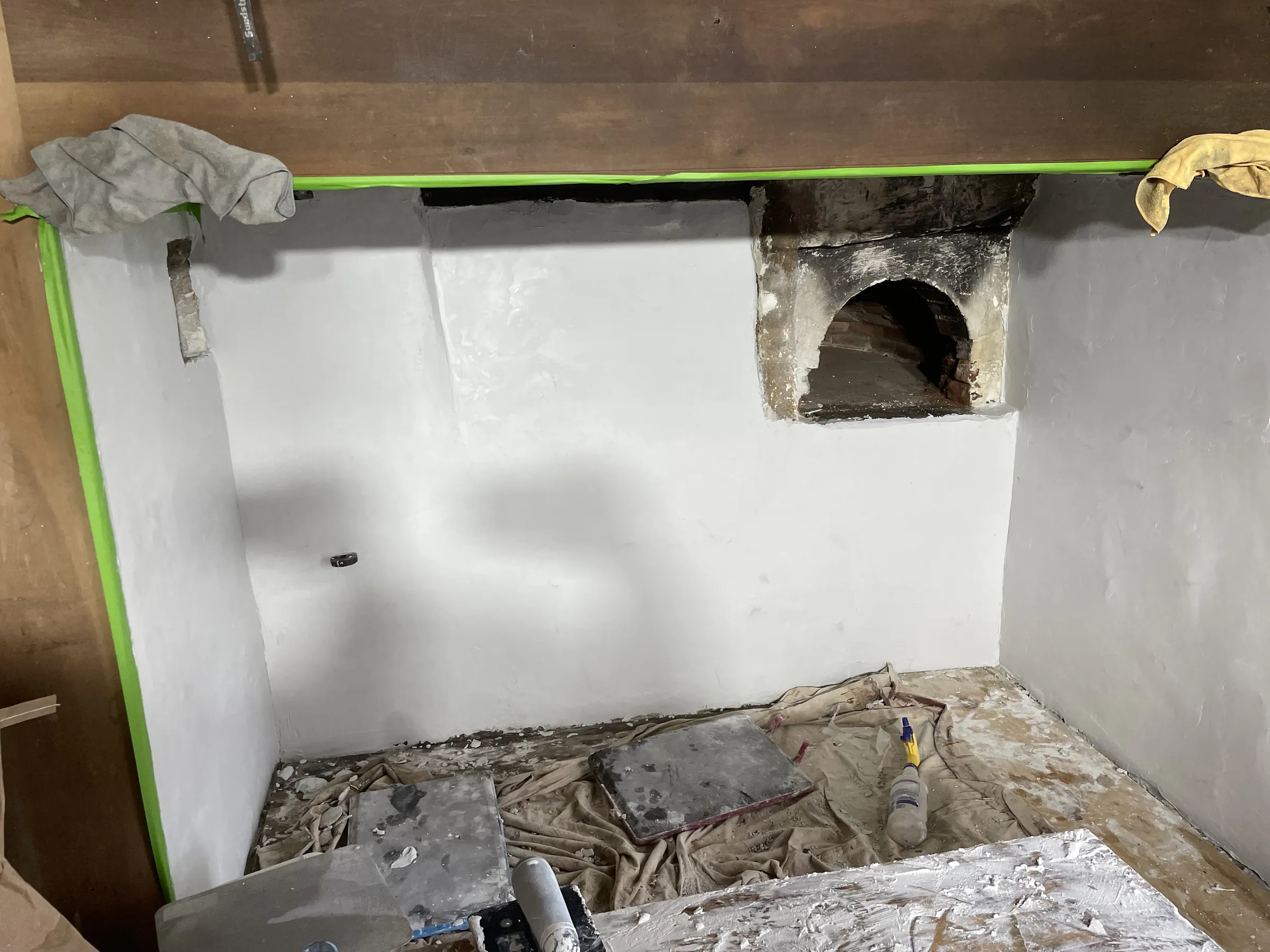
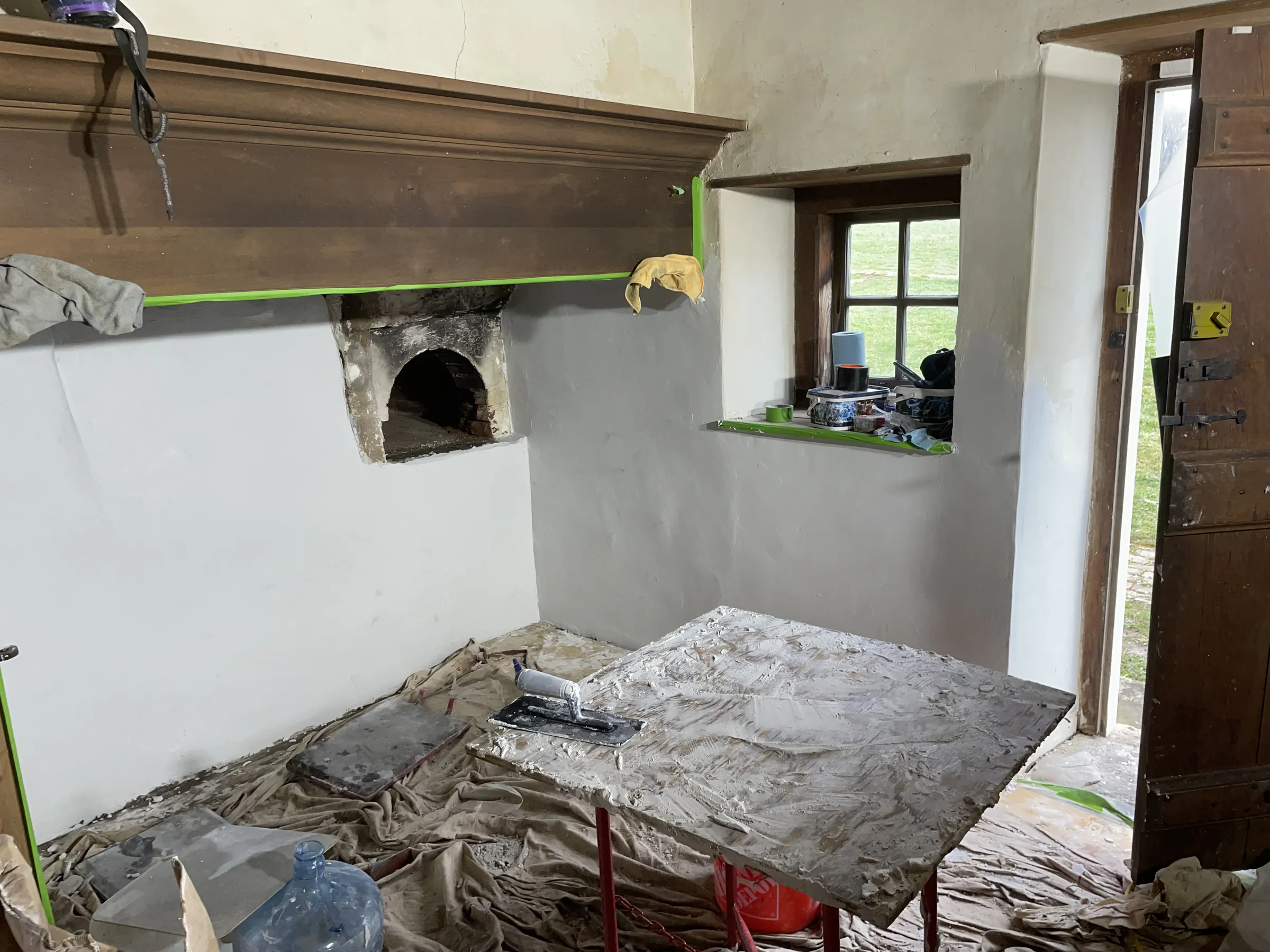
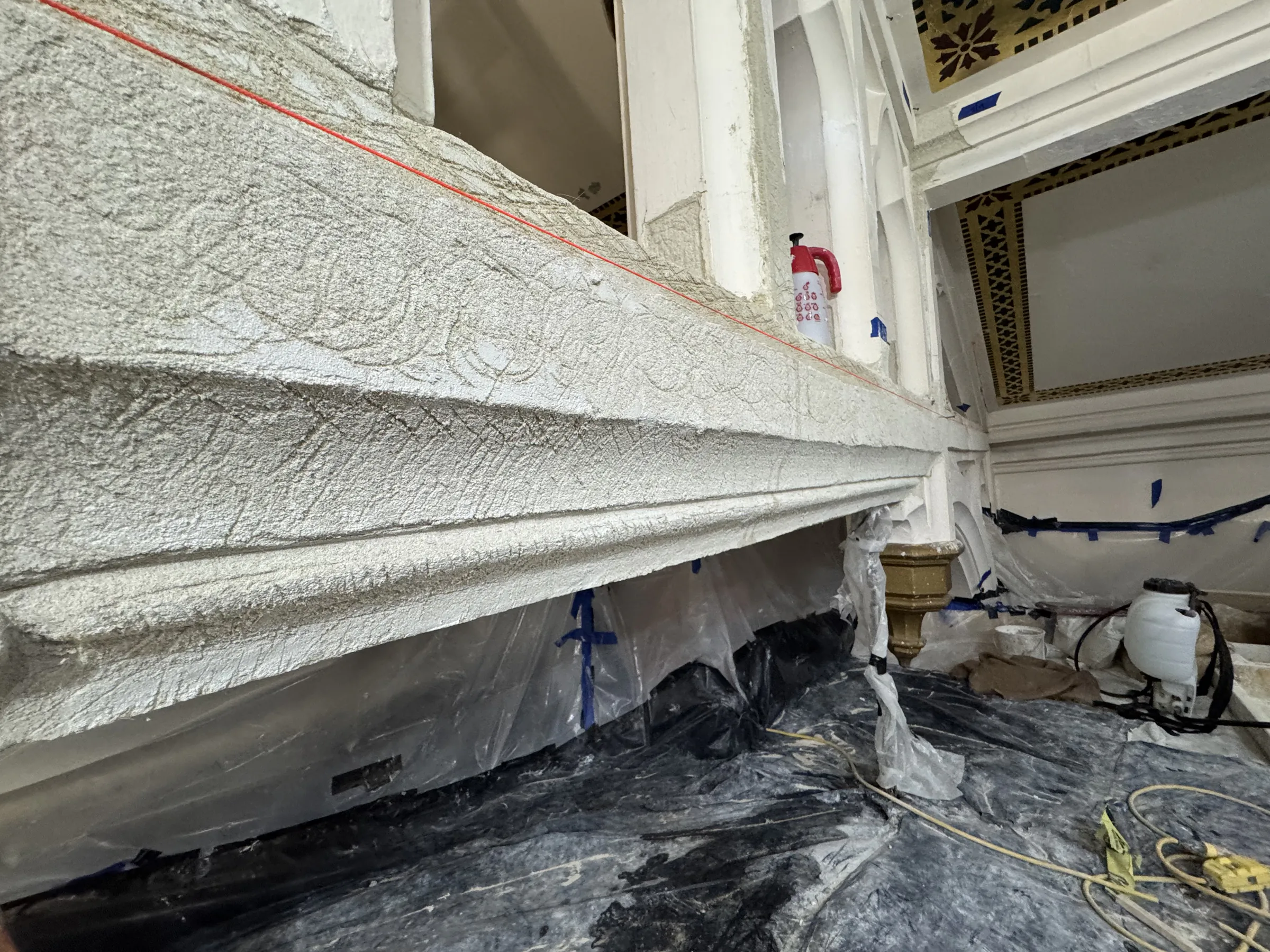
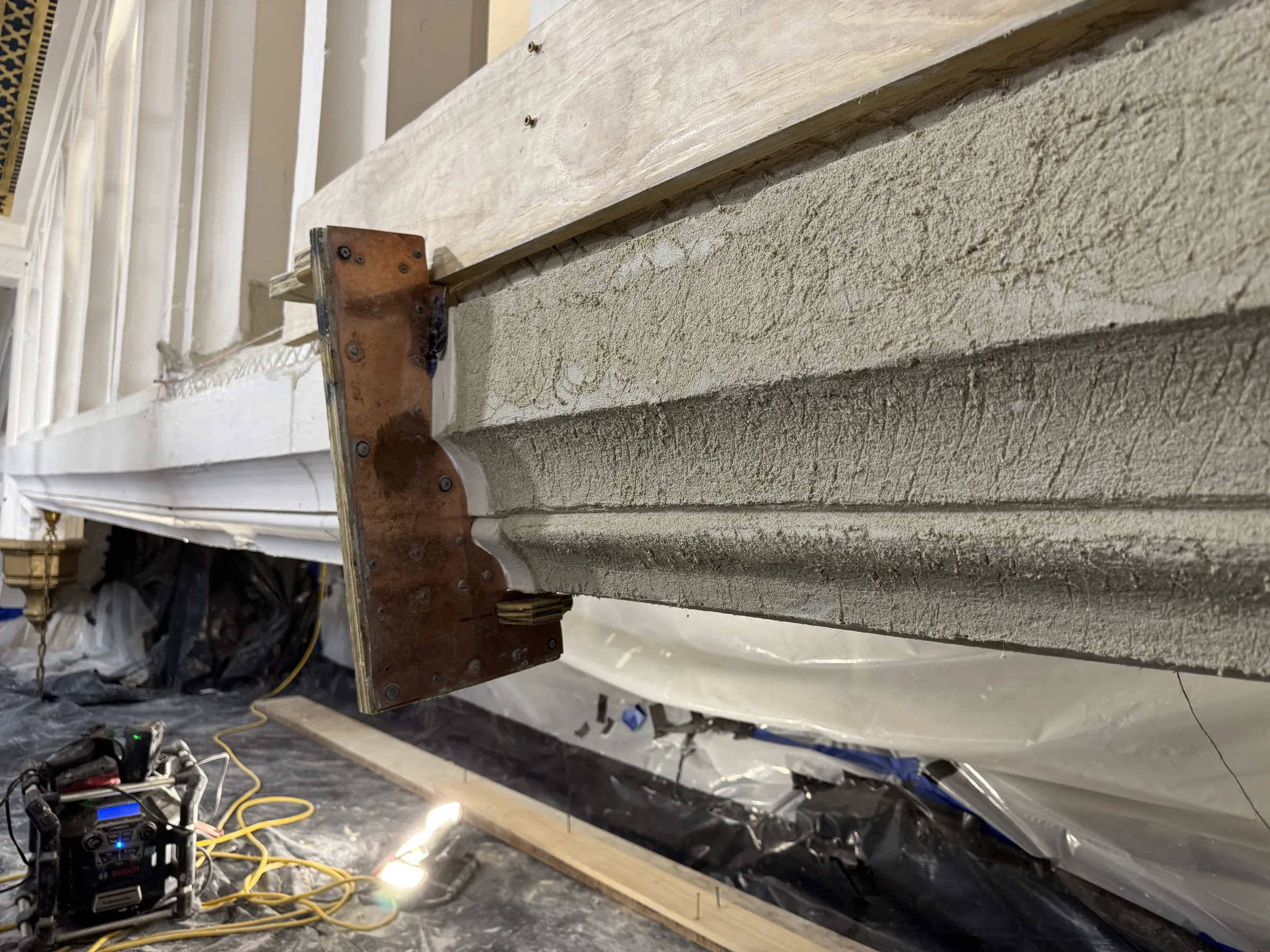
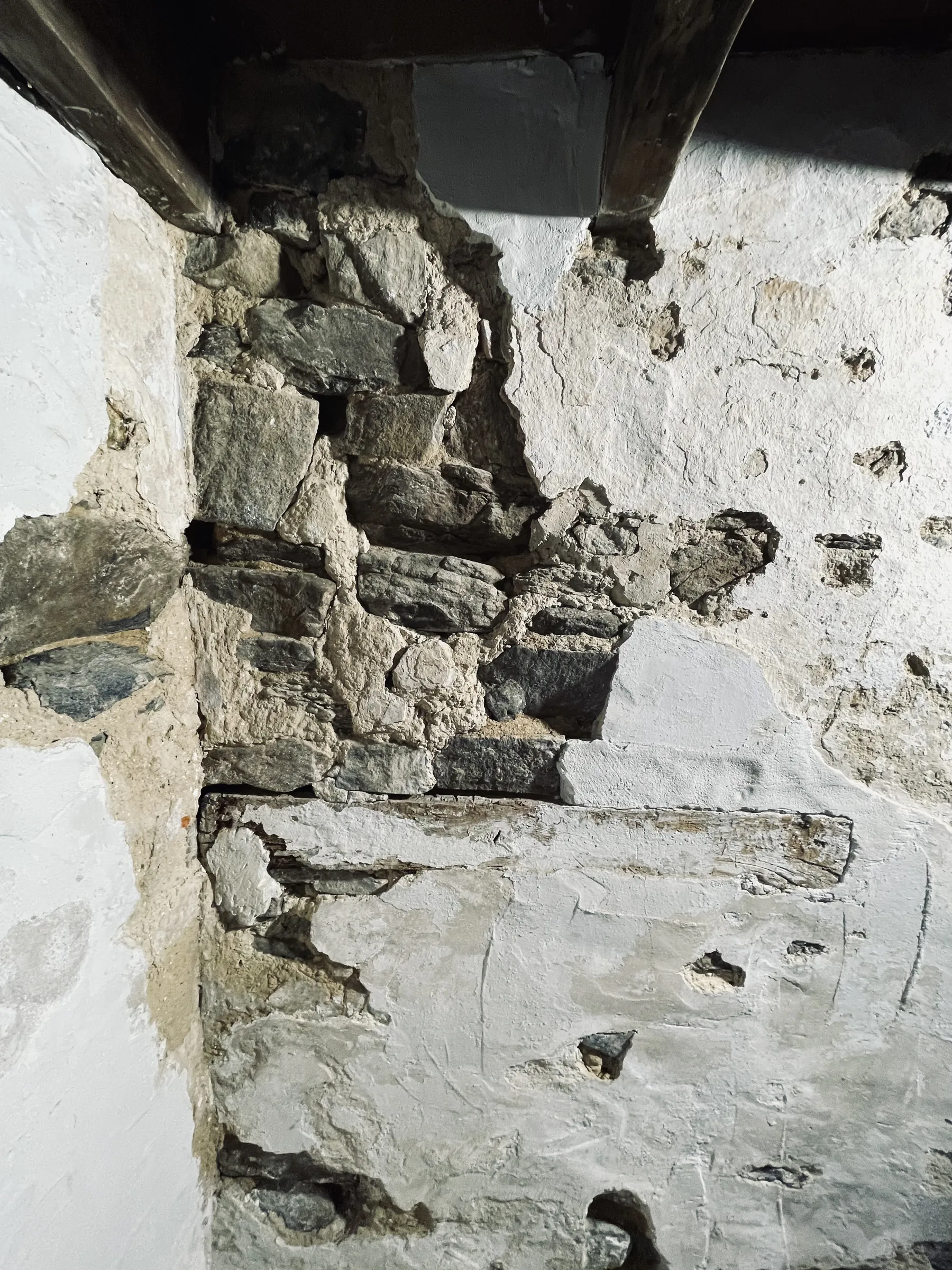
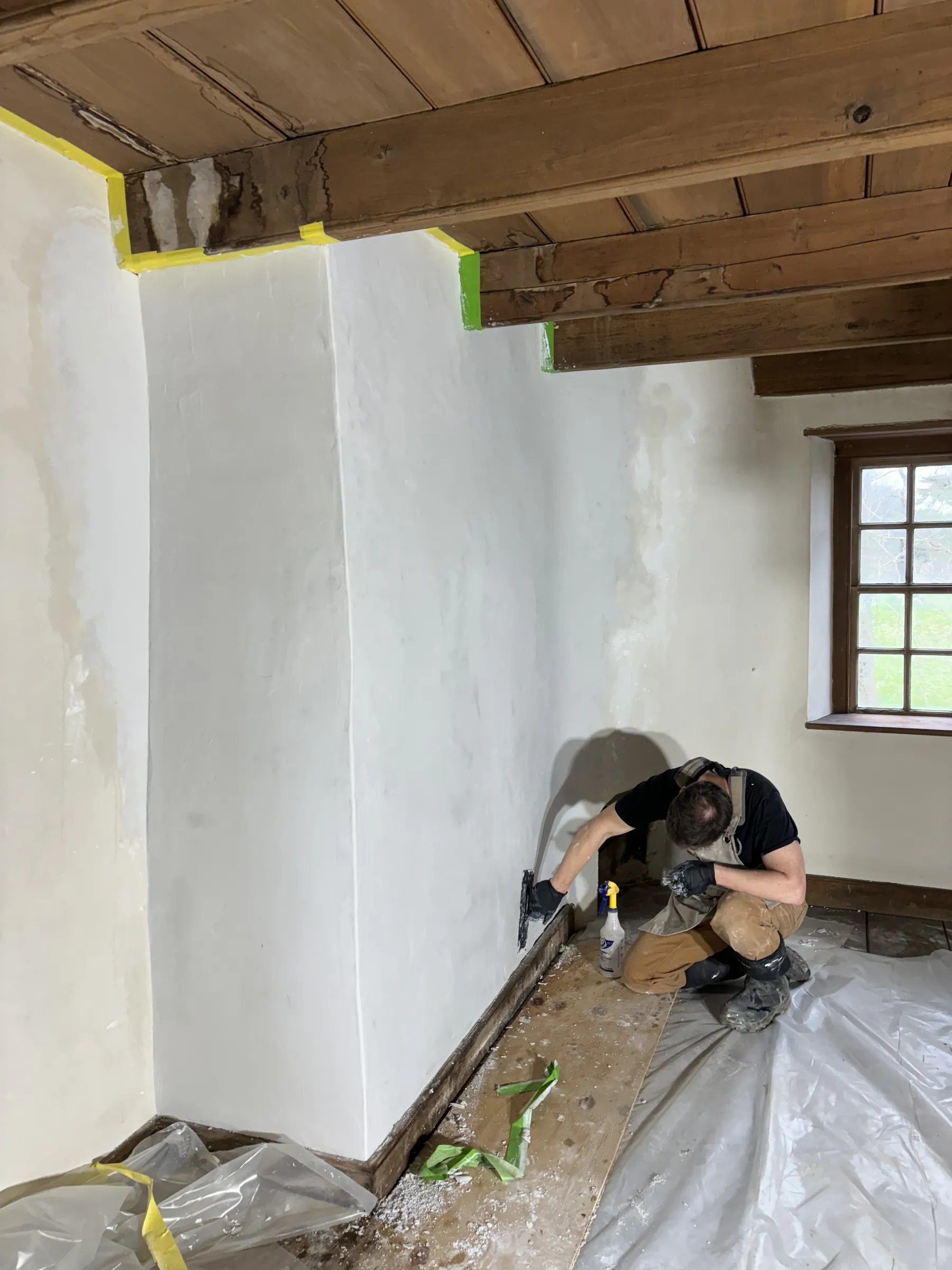
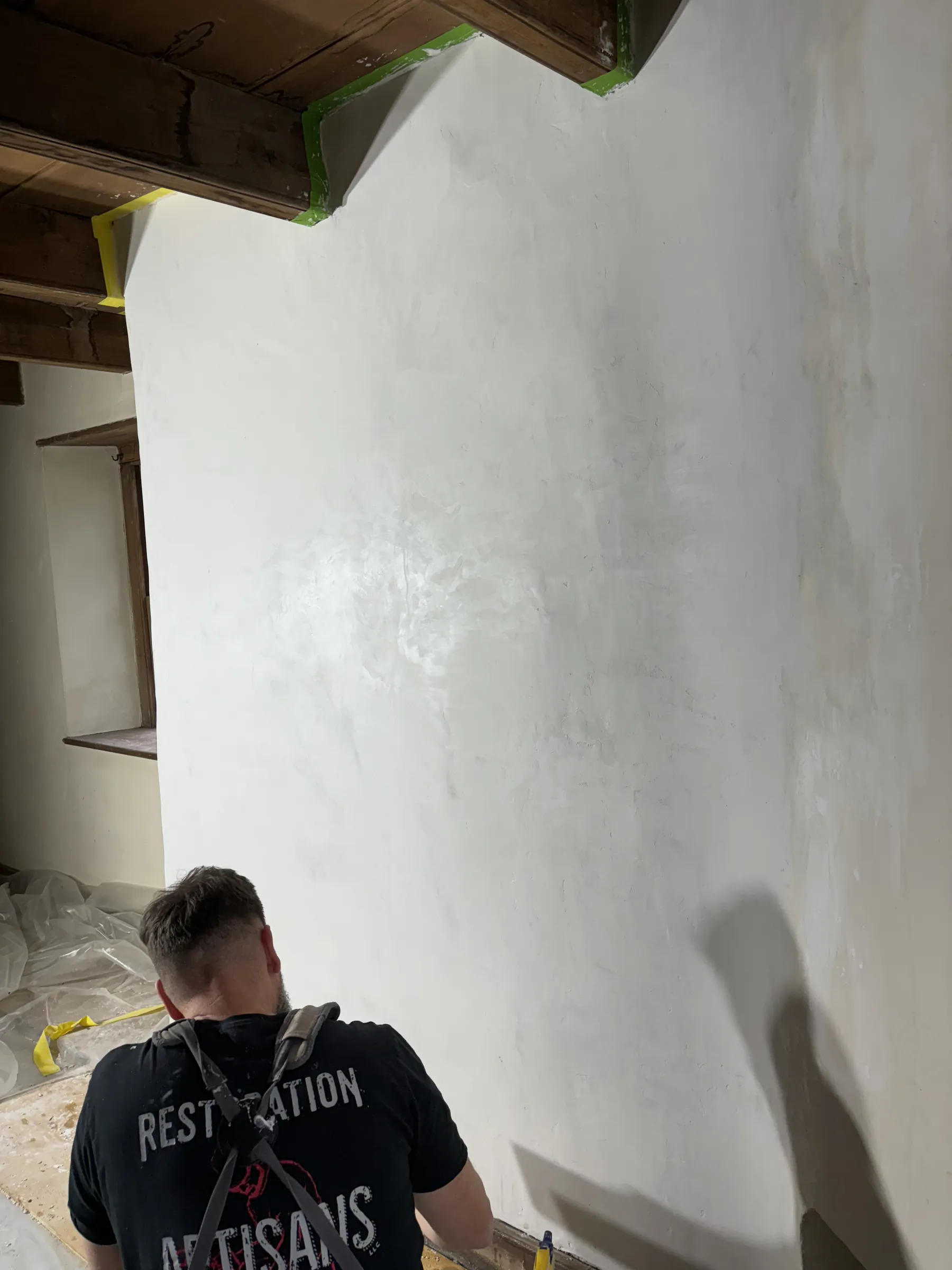
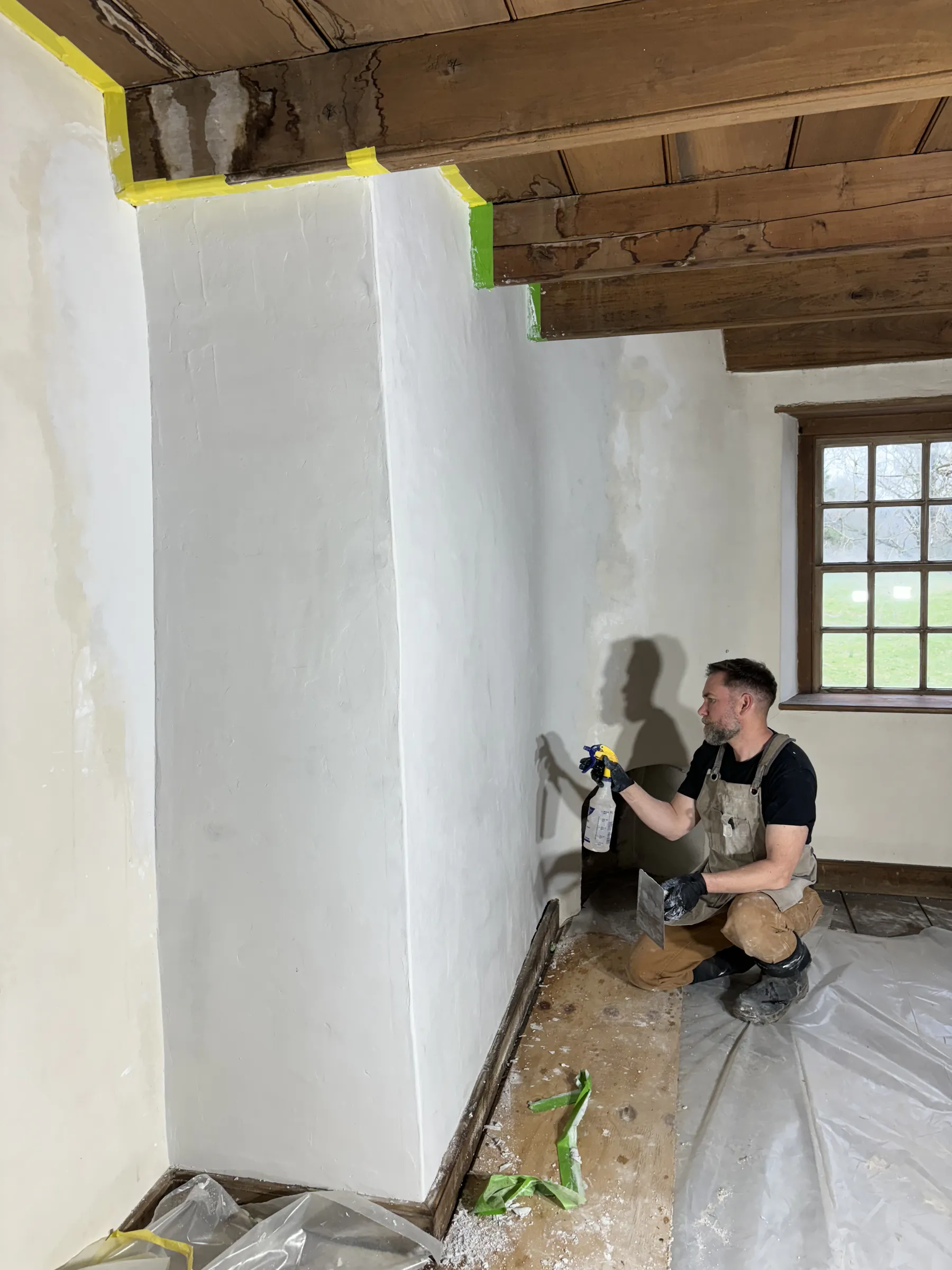
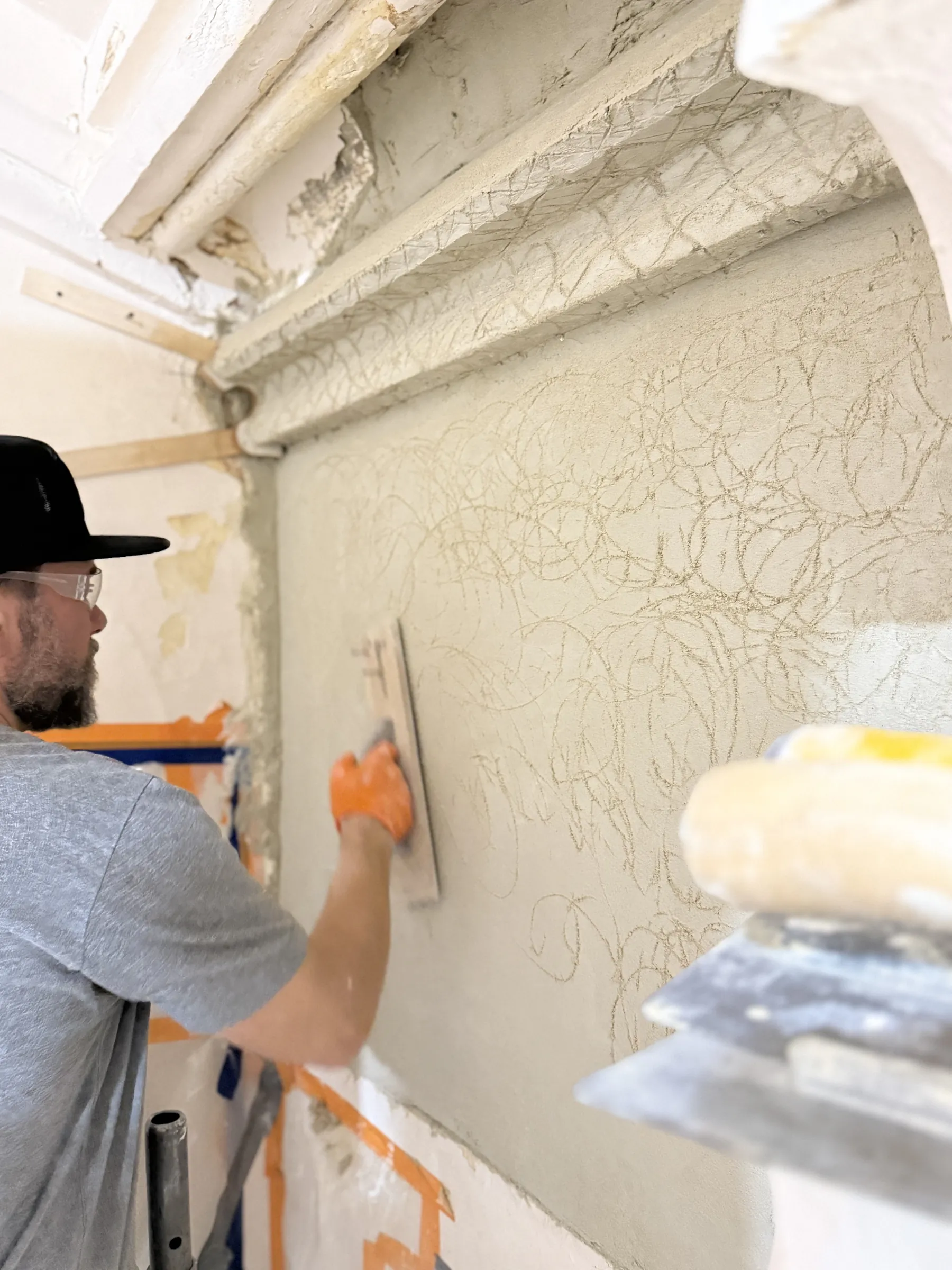
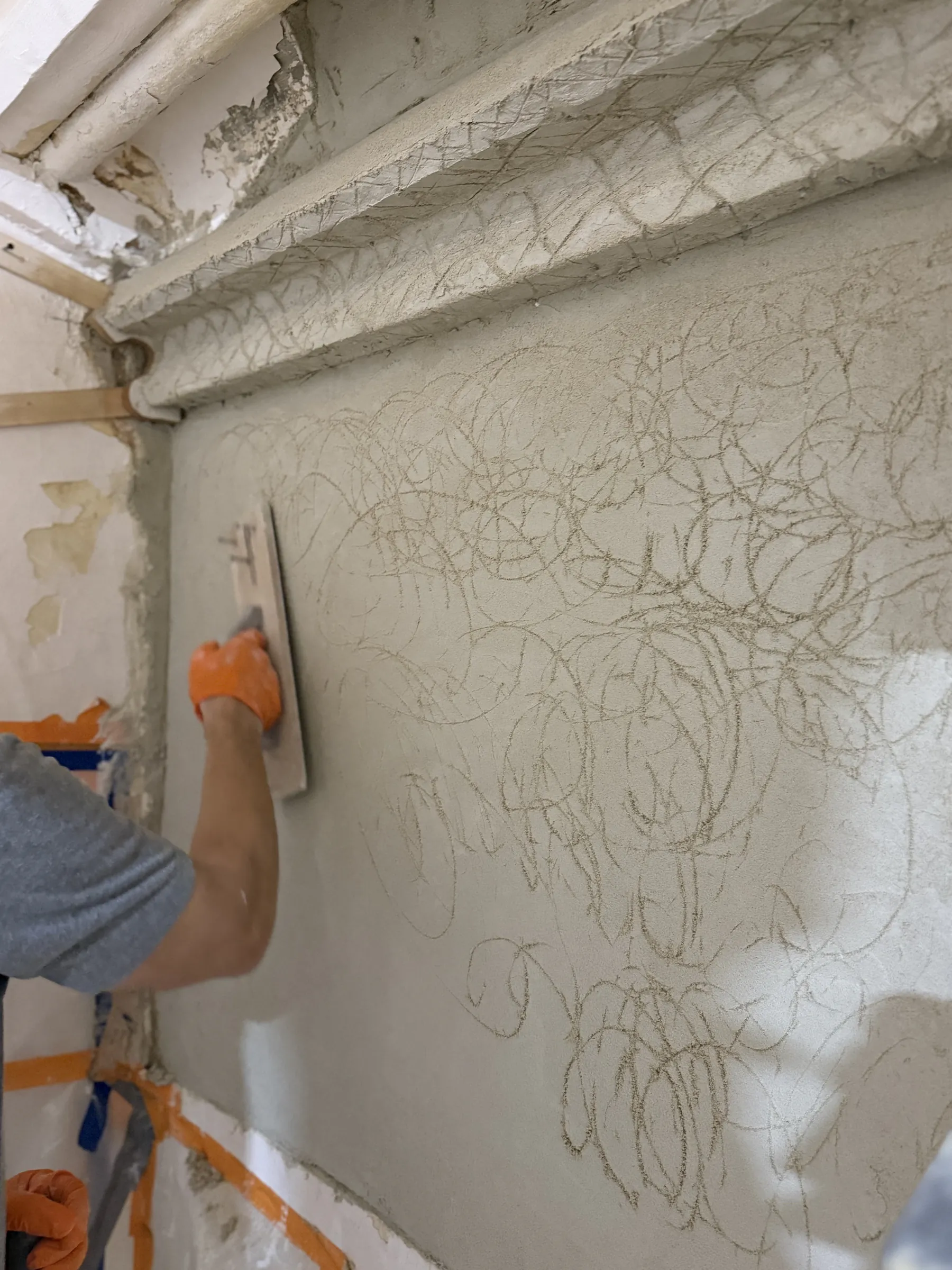
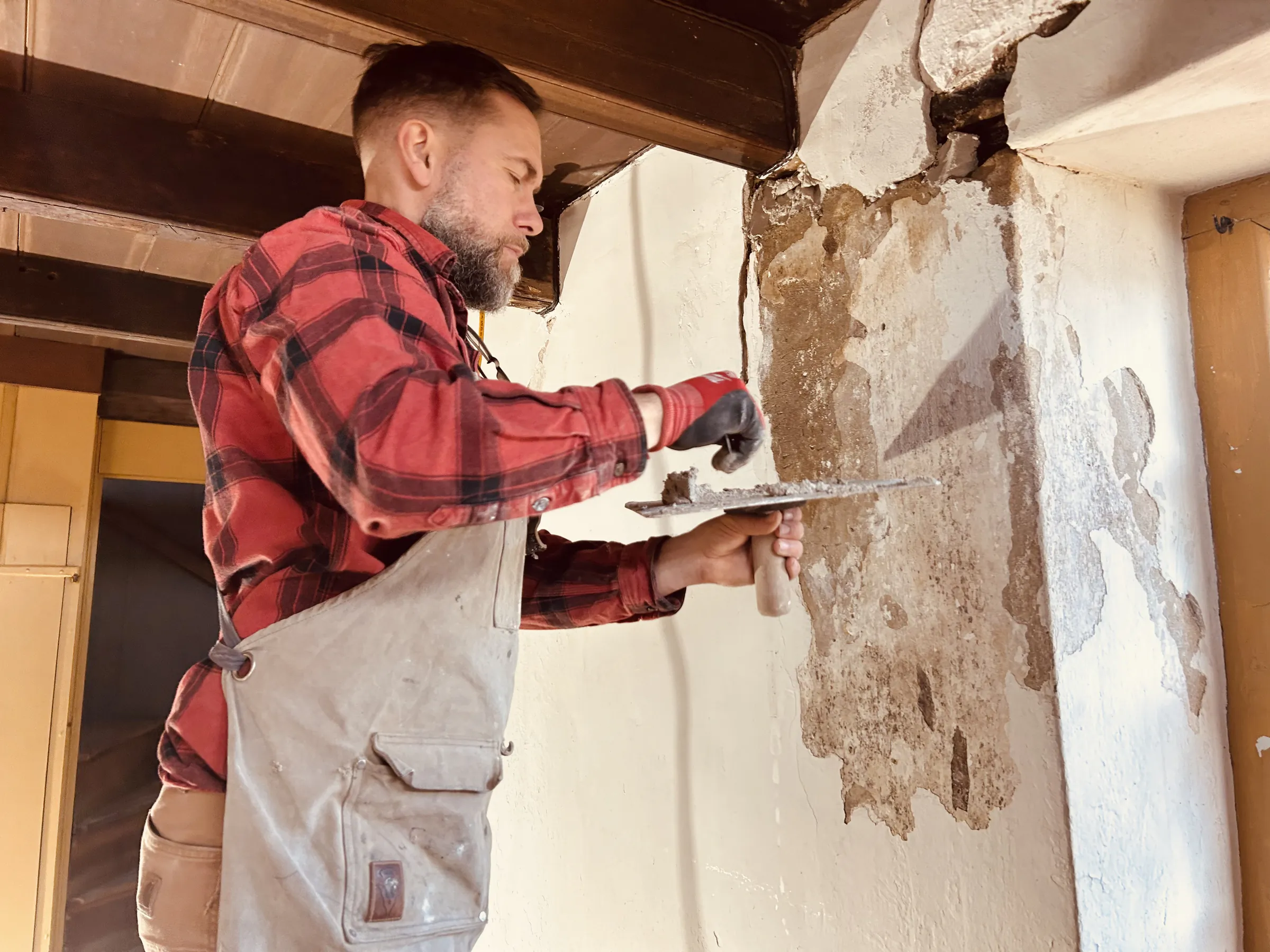
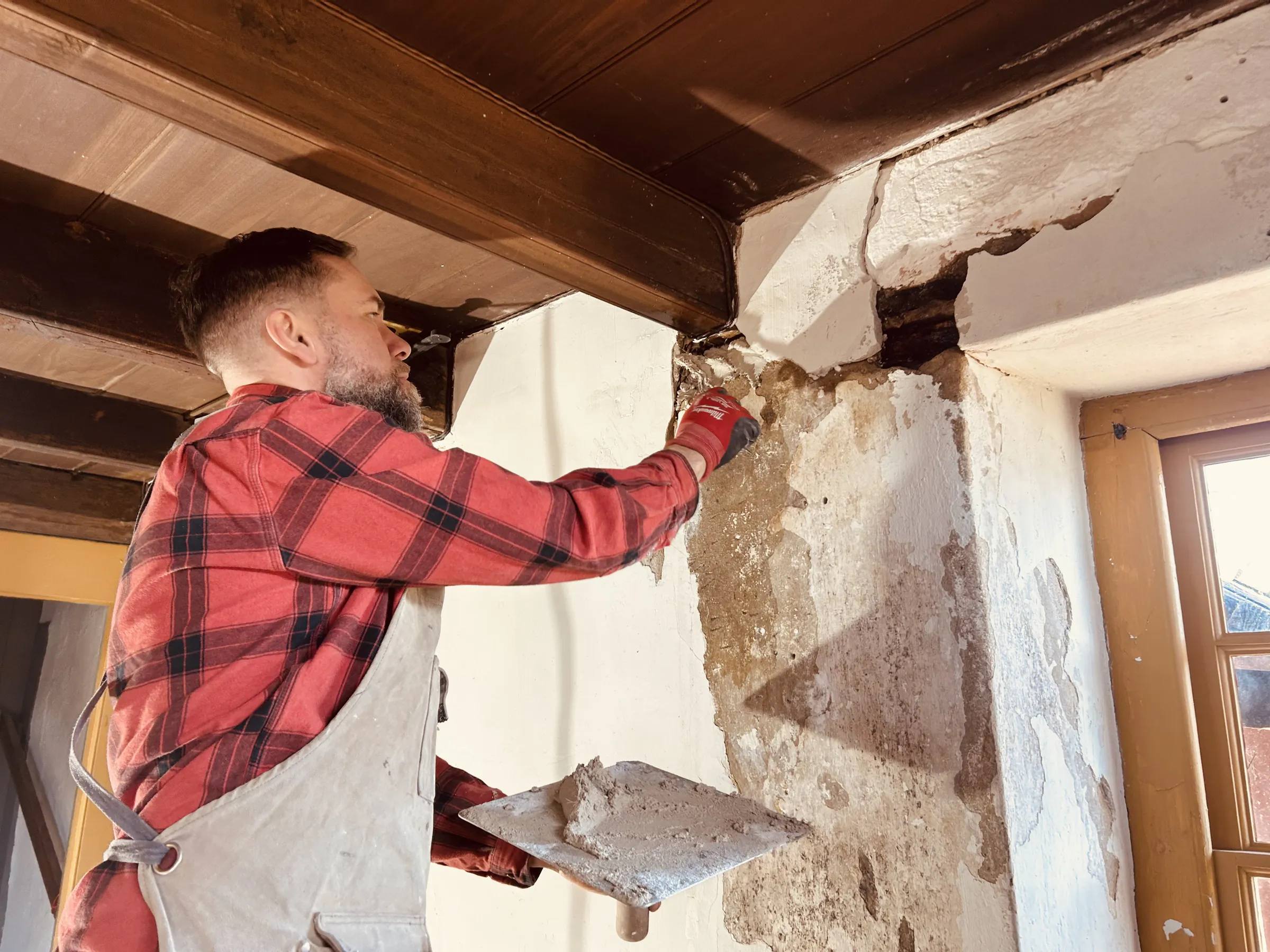
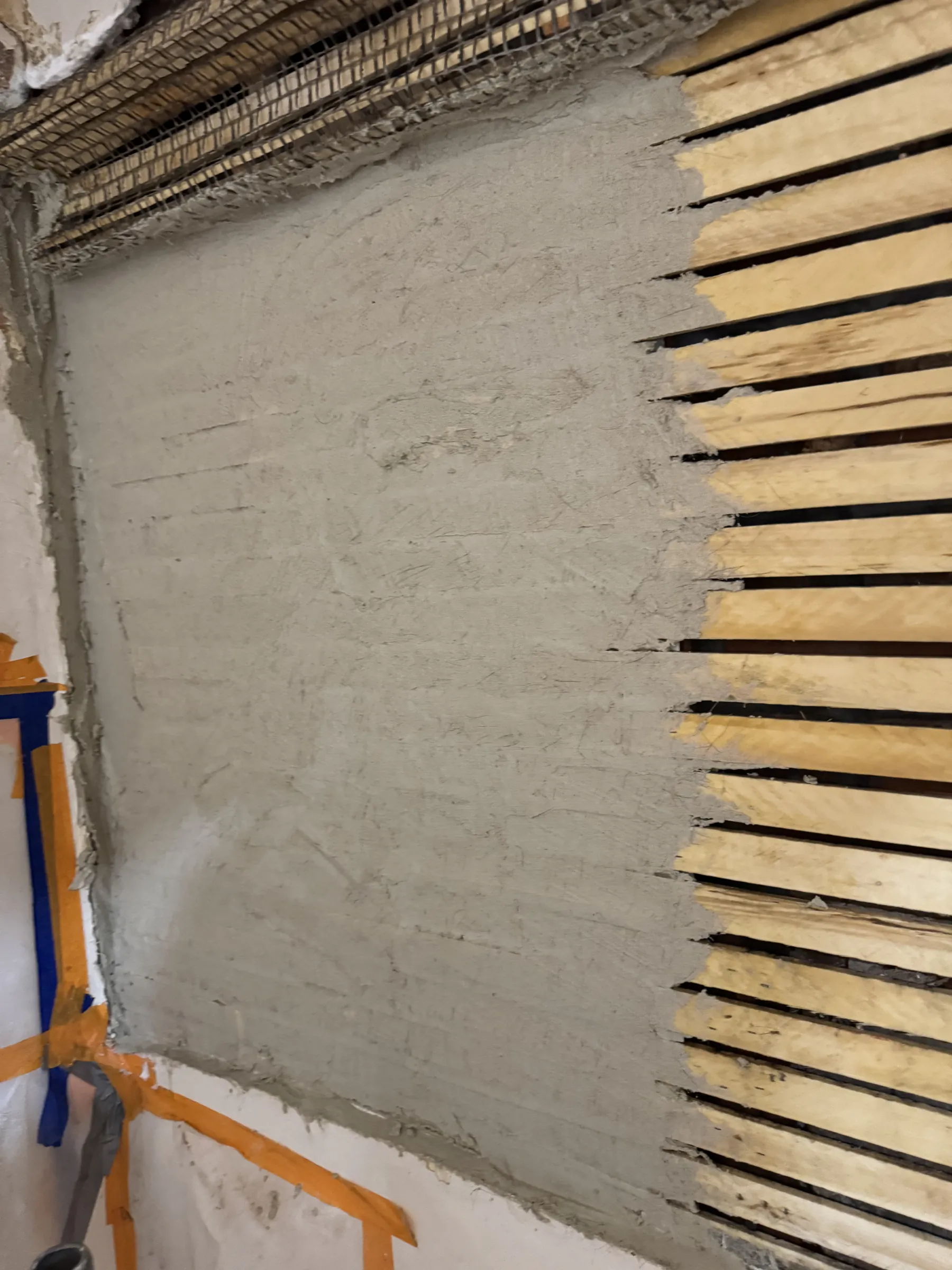
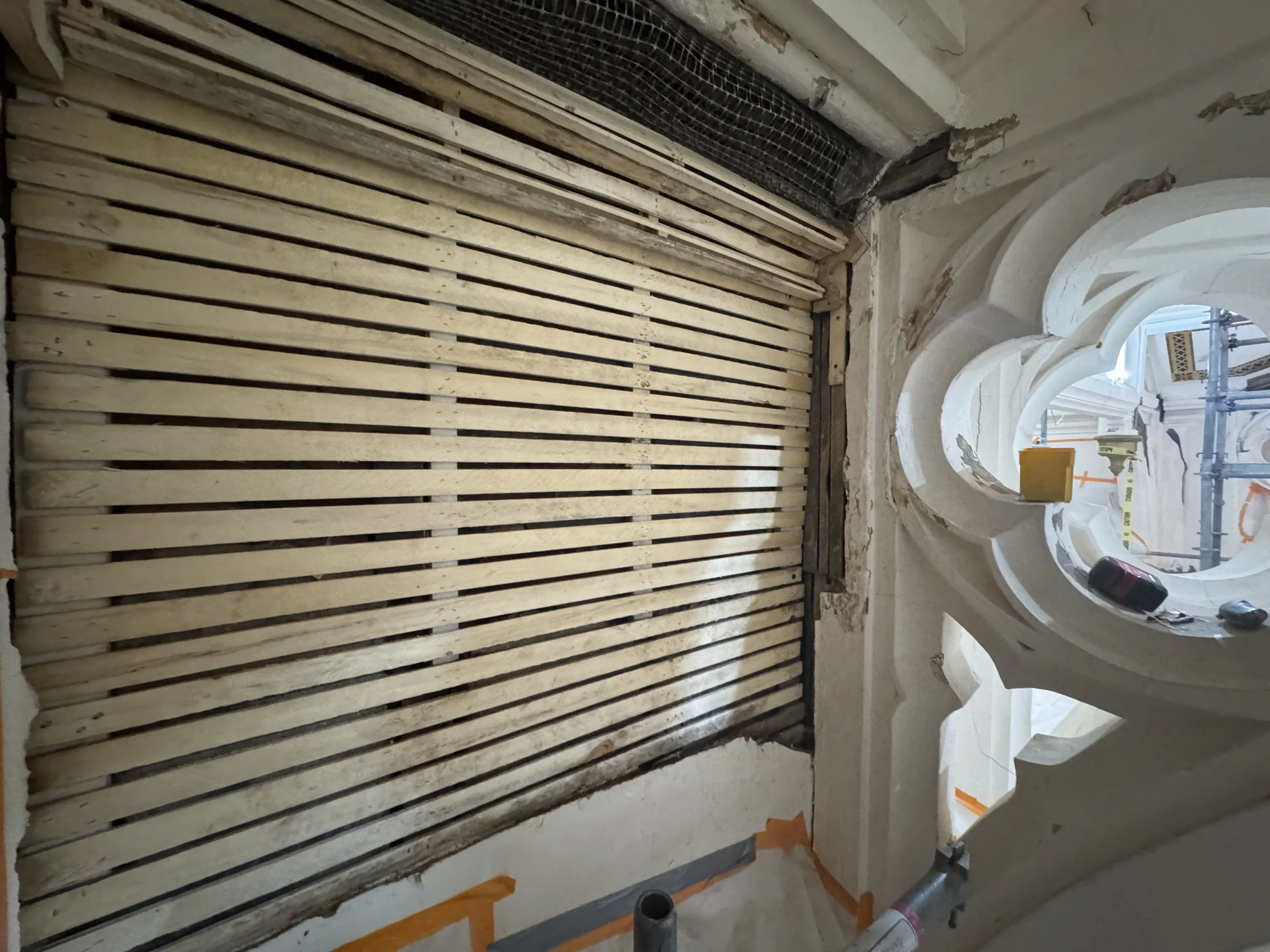
Traditional lime plaster work begins with evaluation of the existing substrate, moisture conditions, and prior repairs. Failed or incompatible materials are carefully removed, and underlying masonry or lath systems are repaired as needed.
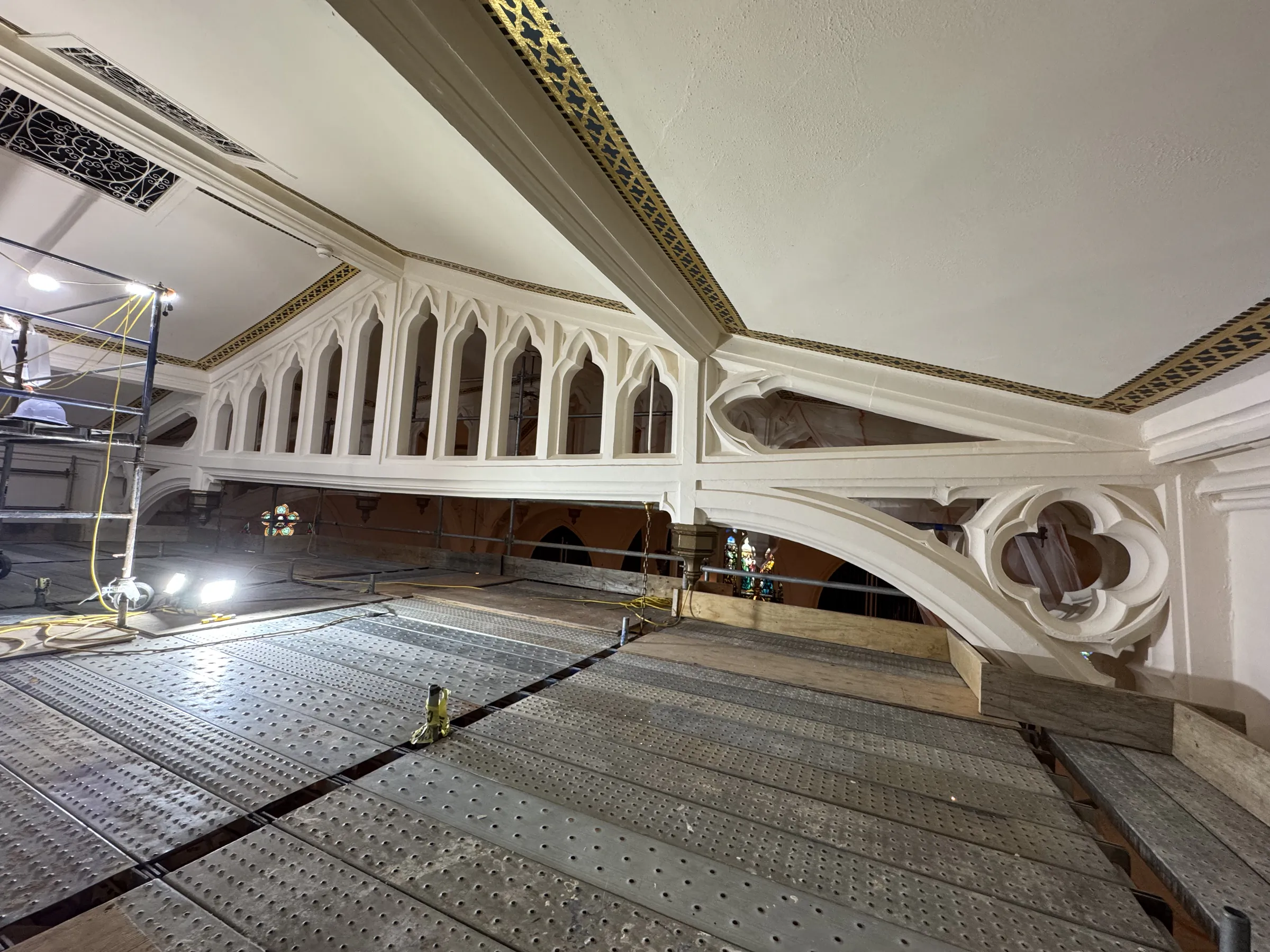
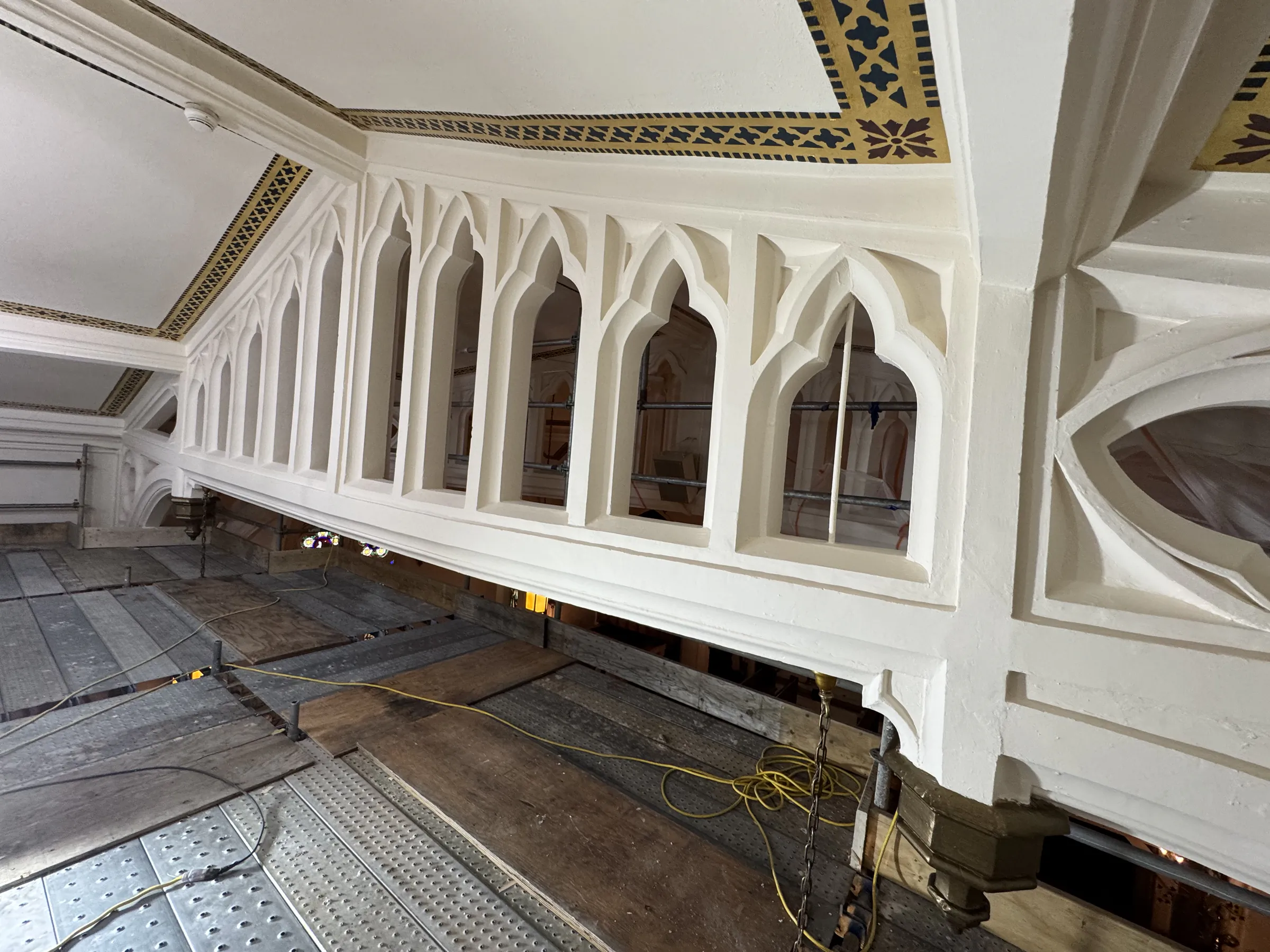
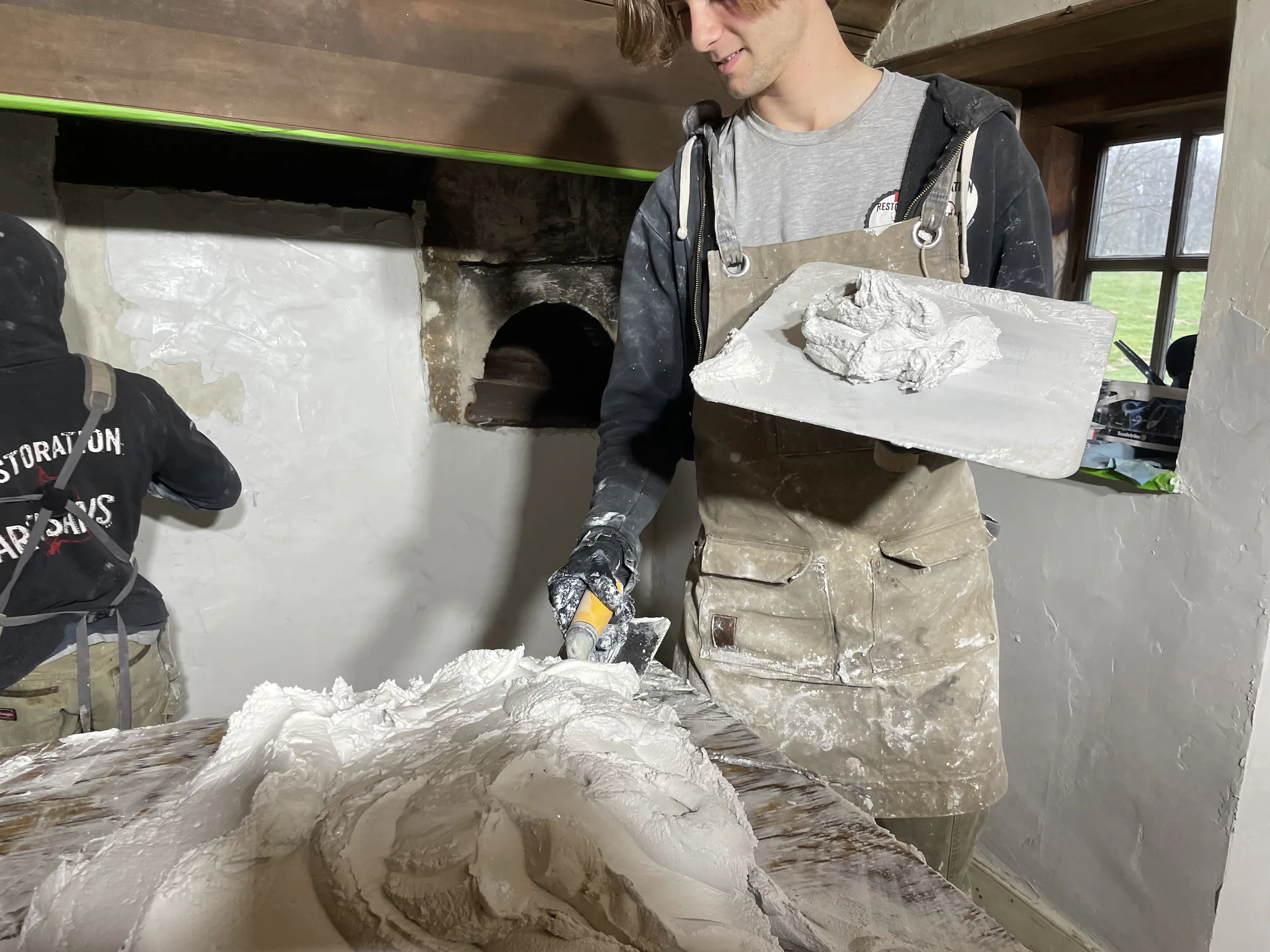
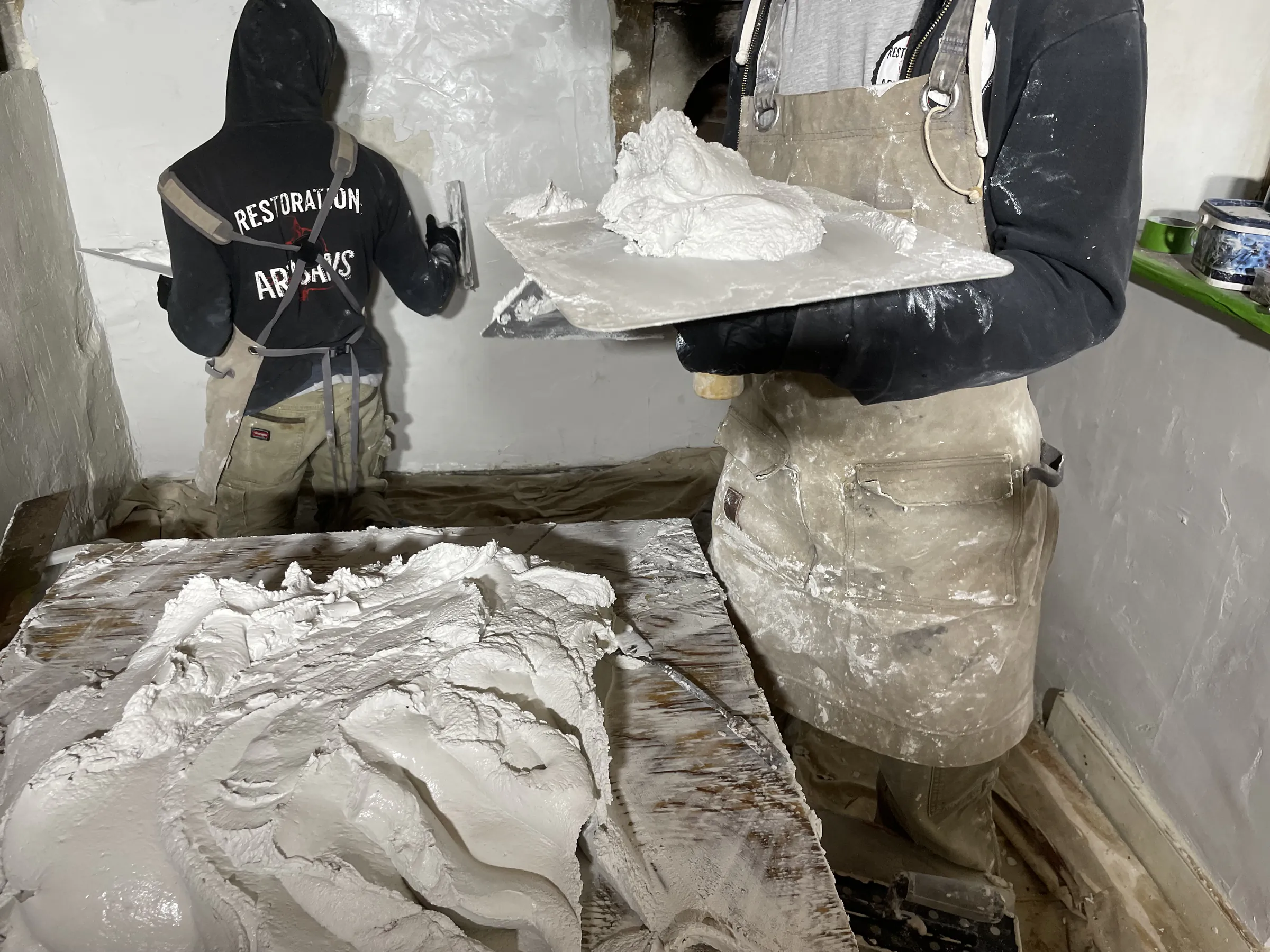
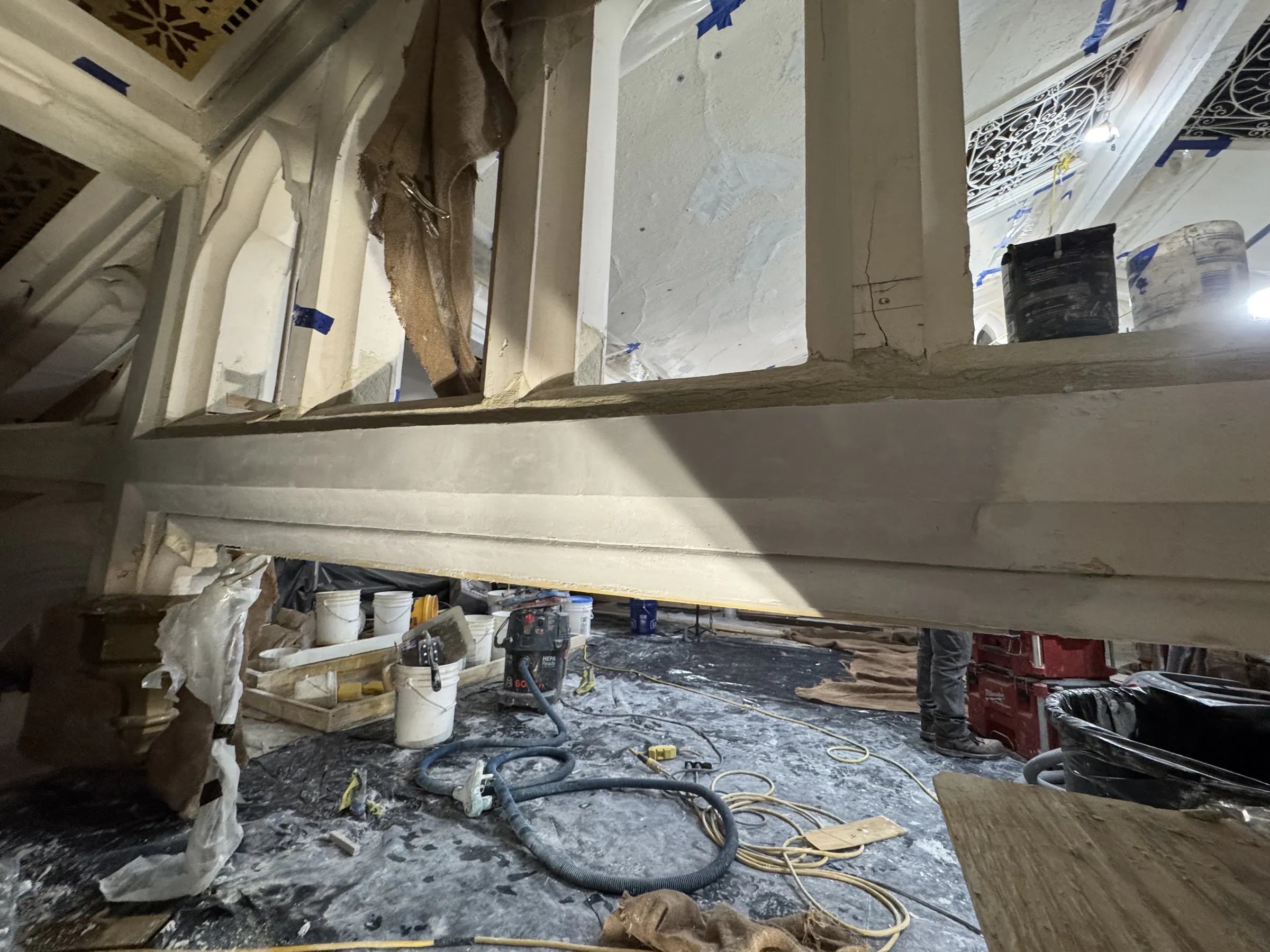
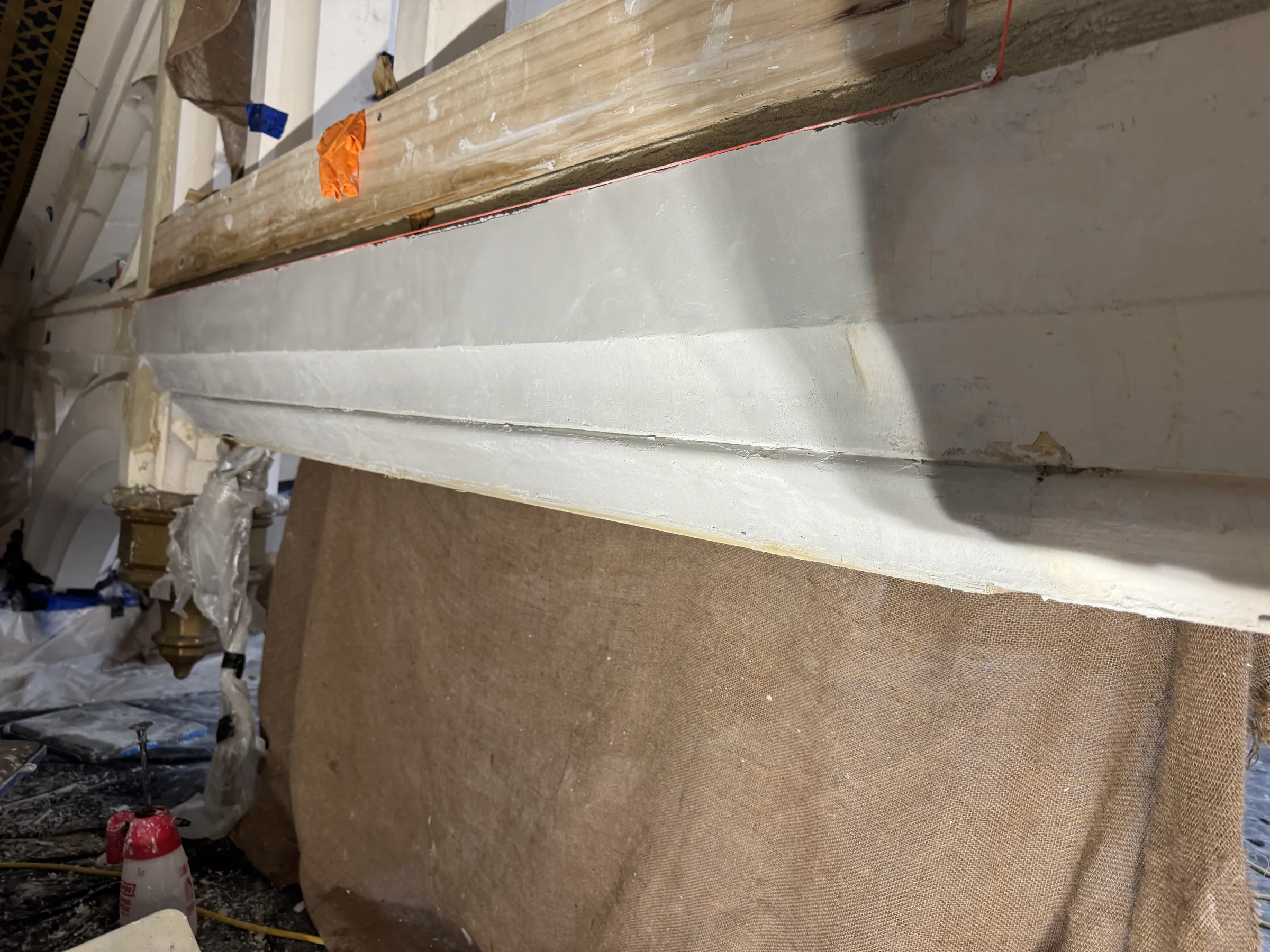
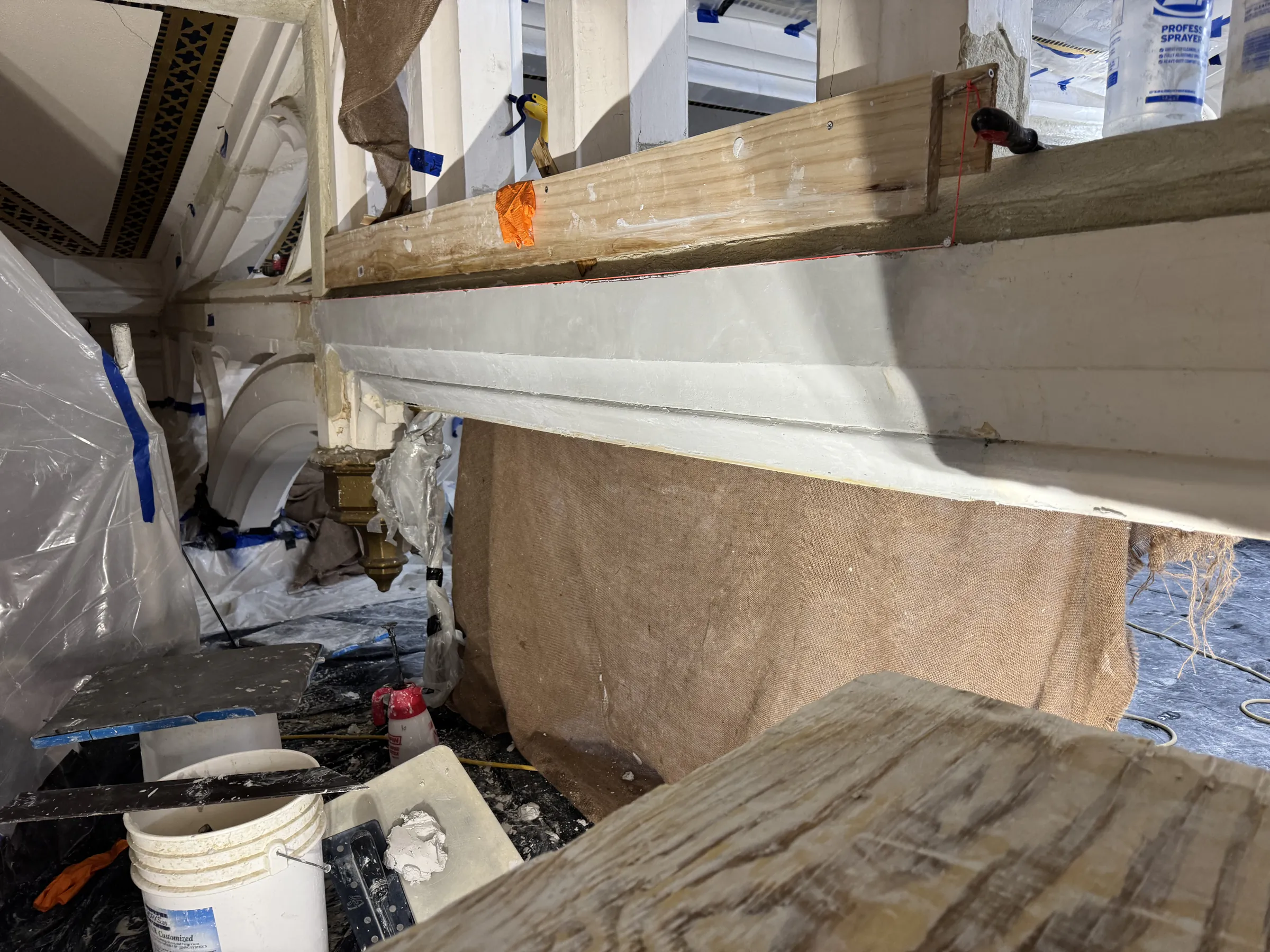
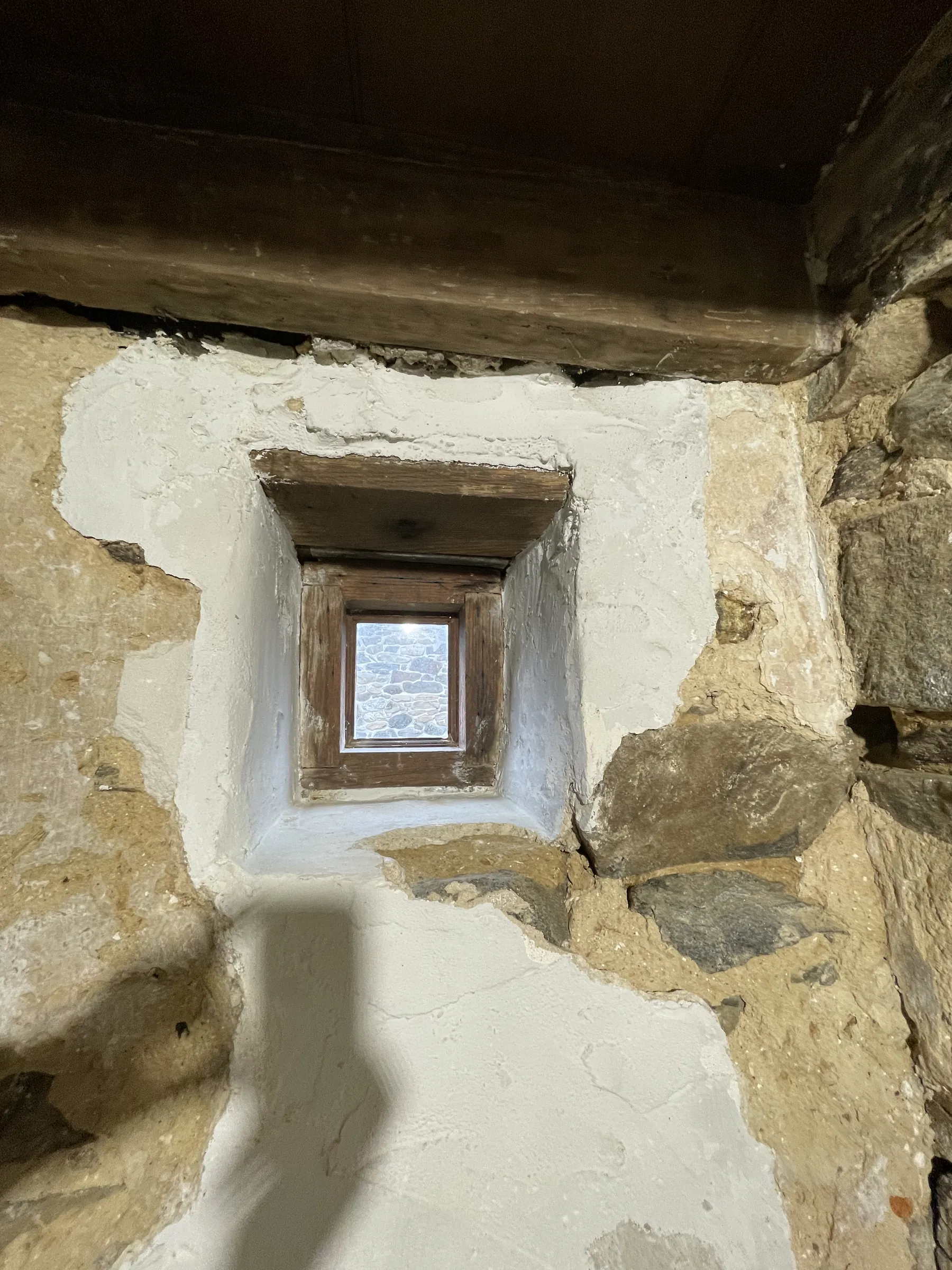
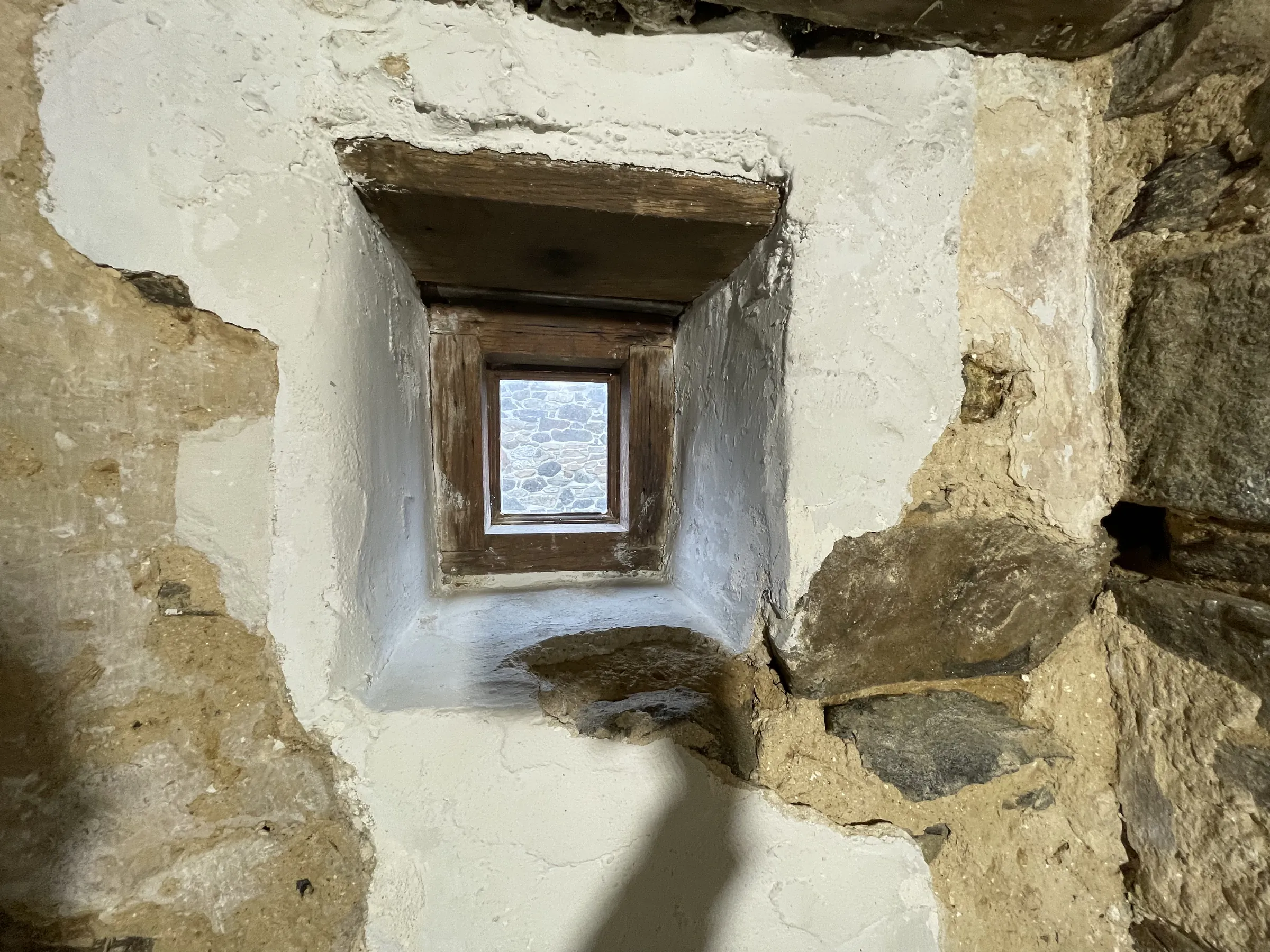
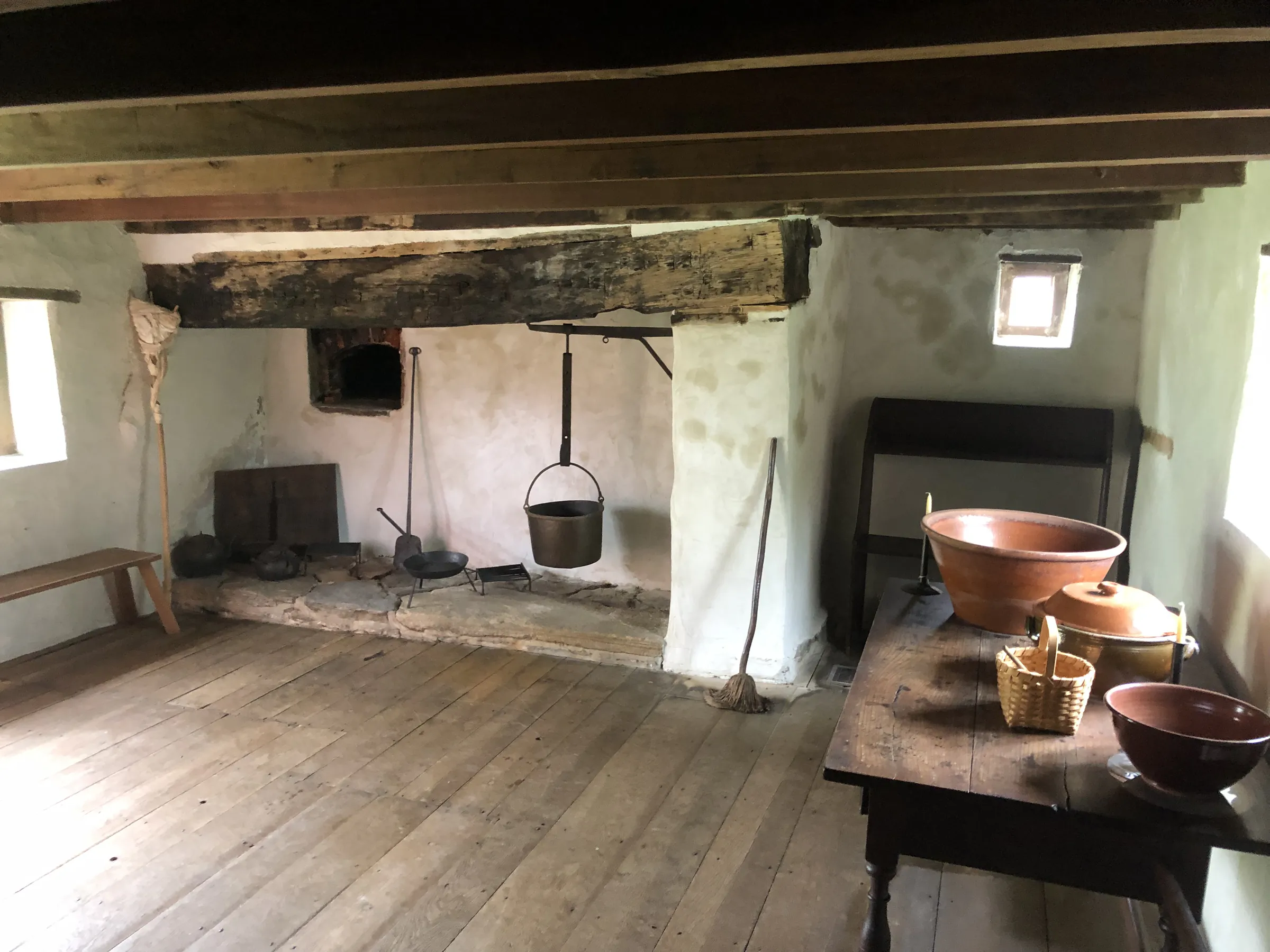
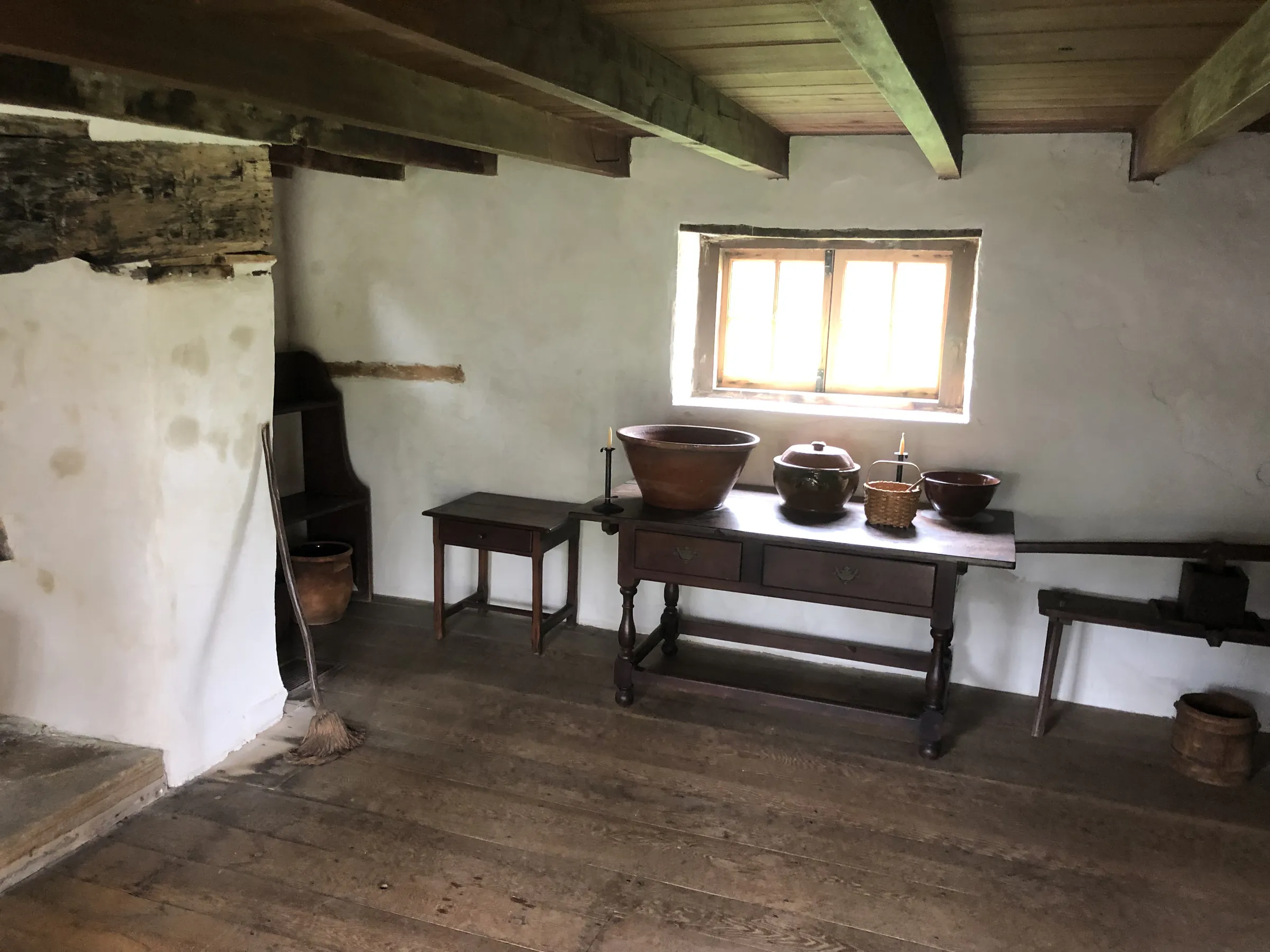
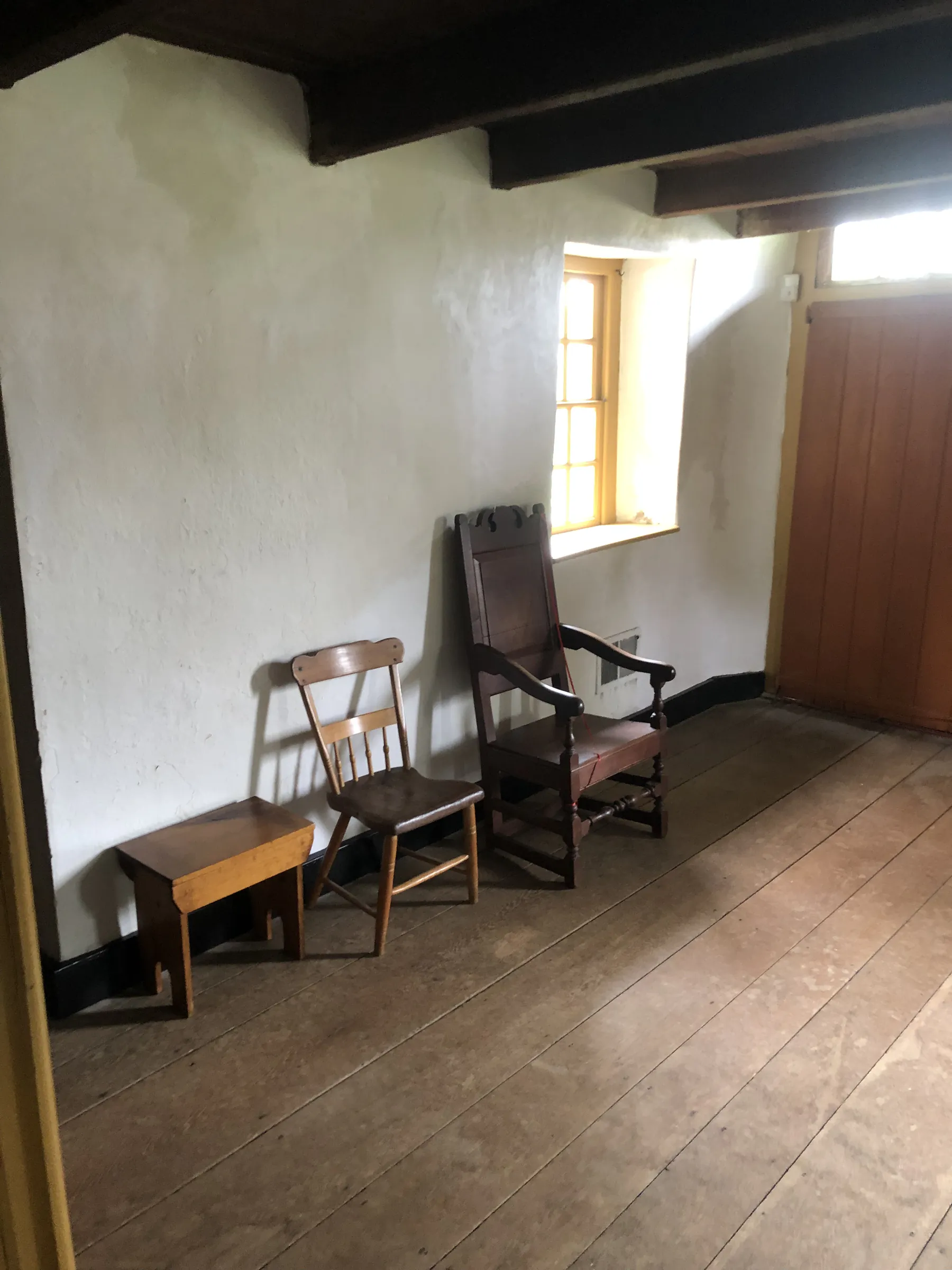
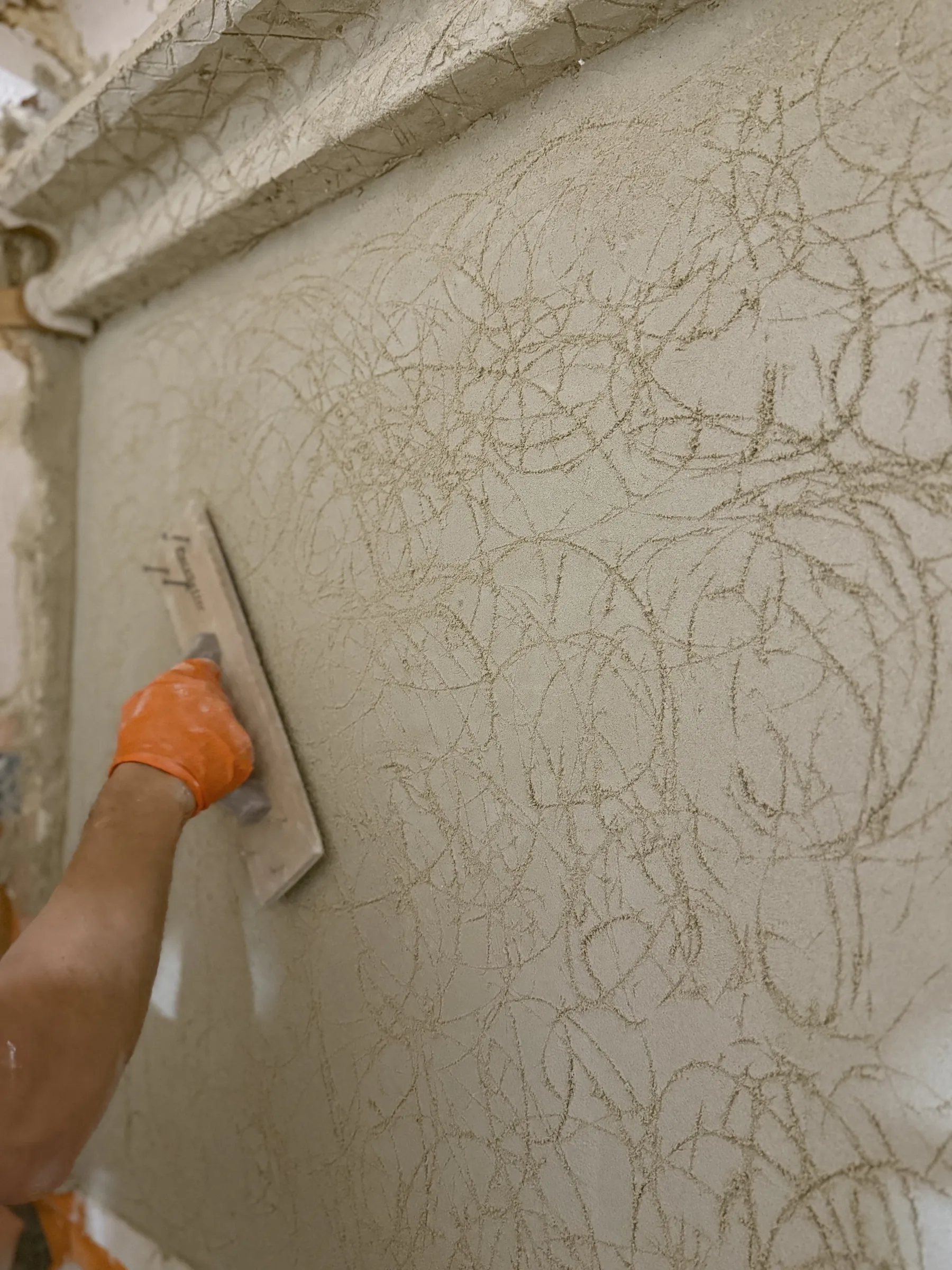
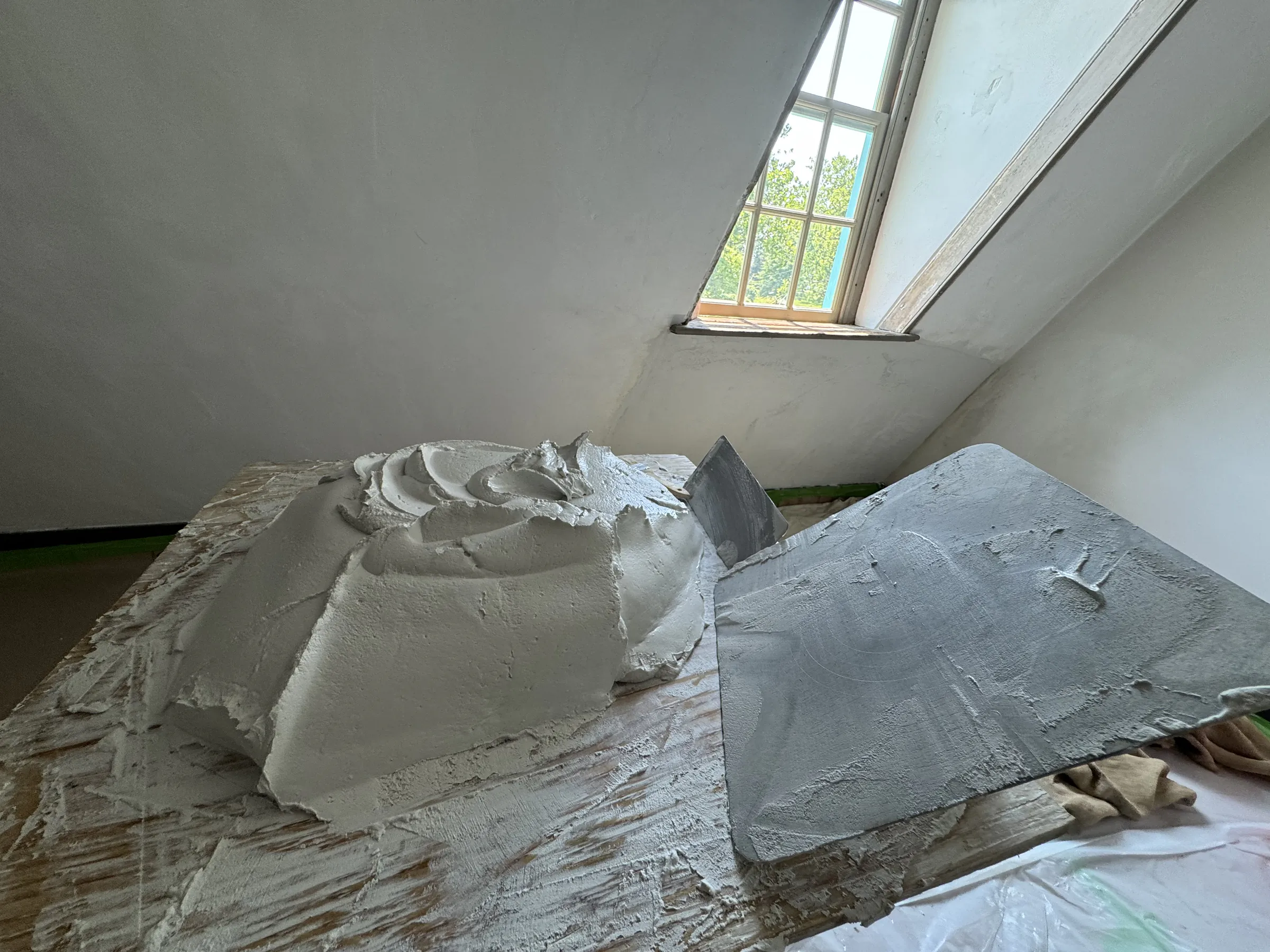
New lime plaster is applied in layers appropriate to the historic construction, finished to match original textures and profiles. This approach allows repaired areas to blend seamlessly with surrounding surfaces while maintaining vapor permeability and flexibility.
Related Methods Commonly Used Alongside
Traditional lime plaster work is often coordinated with other restoration methods, including:
Together, these methods support interior durability, moisture control, and long-term performance.

Begin Planning and Executing Traditional Lime Plaster Repairs
From initial assessment through long-term restoration planning, we help property owners make informed decisions rooted in historic accuracy and proven conservation practices.
Proudly serving Central and Southeastern Pennsylvania, including:
Montgomery County (PA), Gladwyne, Villanova, Bryn Mawr, Haverford, Ardmore, Rosemont, Chester County (PA), Wayne, Devon, Berwyn, Hershey, Hummelstown, Lower Paxton Township, Linglestown, Susquehanna Township, Camp Hill, Mechanicsburg, Hampden Township, Upper Allen Township, Silver Spring Township, South Lebanon Township, North Cornwall Township, Cornwall, Mount Gretna, Cleona, Shrewsbury, New Freedom, Lititz, Manheim Township, East Hempfield Township, Lancaster Township, Neffsville