

What This Method Addresses
Mortar joints are the primary line of defense against water intrusion in historic masonry structures. Over time, exposure to weather, movement, and incompatible past repairs can cause joints to crack, erode, or fail entirely, allowing moisture to enter the wall assembly.
Hydraulic lime mortar repointing addresses these failures by replacing deteriorated mortar with materials that are compatible with historic masonry. Unlike hard modern cement mortars, lime-based mortars are flexible and vapor permeable, allowing moisture to move through the wall without damaging surrounding stone or brick.
Proper repointing restores the protective function of the joint while preserving the appearance, performance, and longevity of historic masonry.
When Is Hydraulic Lime Mortar Repointing Needed?
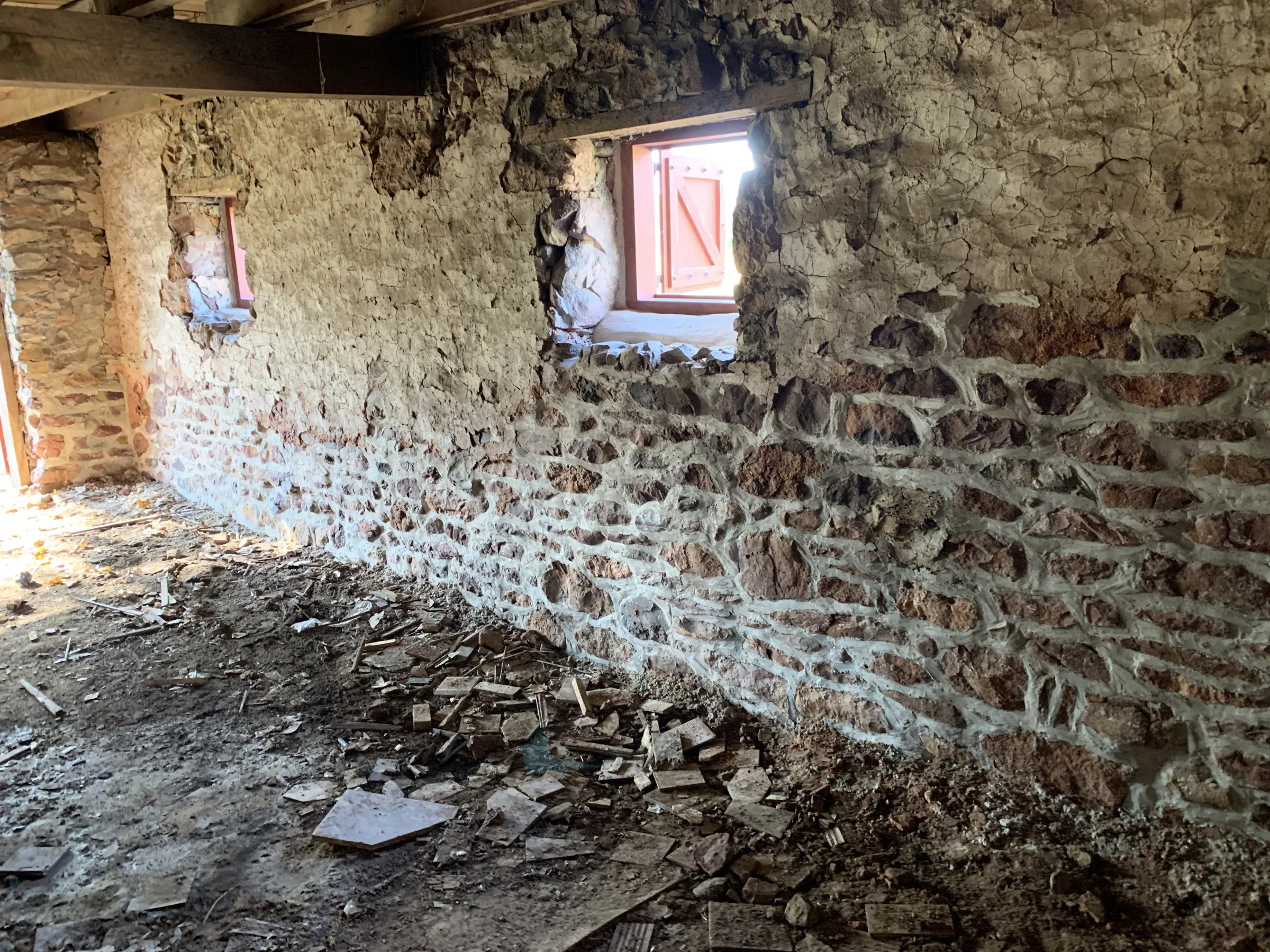
Repointing is typically required when mortar joints show signs of decay, including cracking, loss of material, open joints, or separation from adjacent masonry units. In many cases, damage is accelerated by earlier repairs using Portland cement mortars that are too hard for historic stone or brick.
Buildings experiencing moisture infiltration, interior dampness, or surface deterioration often benefit from repointing as part of a broader stabilization or conservation effort.
Why Lime Mortar Matters in Historic Structures
Historic masonry was designed to work as a system, with mortar acting as a sacrificial and breathable component. Lime mortars accommodate subtle movement, manage moisture, and protect masonry units by failing before the stone or brick itself.
Using incompatible mortars can trap moisture within the wall, leading to spalling, cracking, and long-term structural damage. Hydraulic lime mortars restore the original balance of strength and permeability, helping historic walls perform as intended.
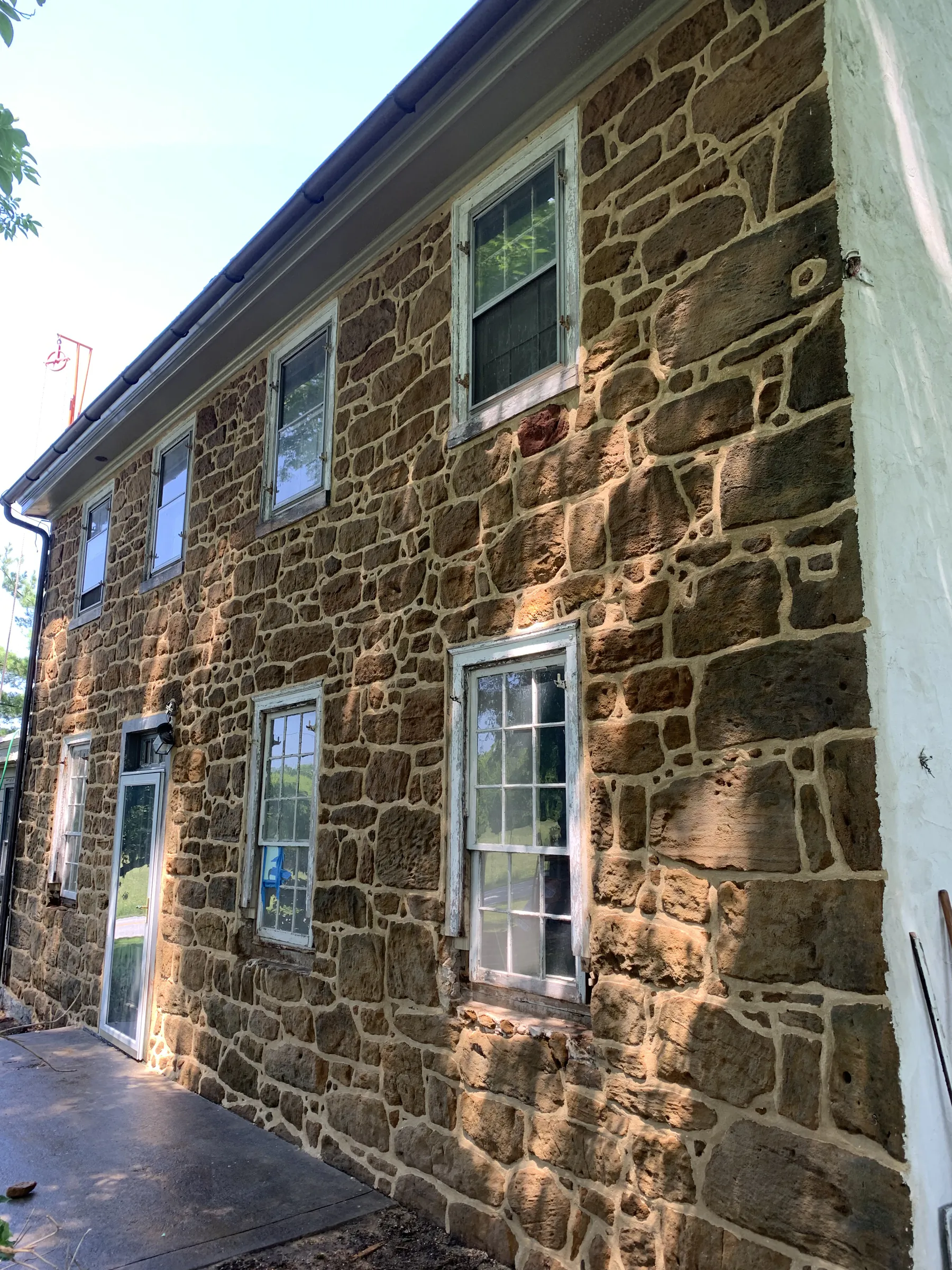
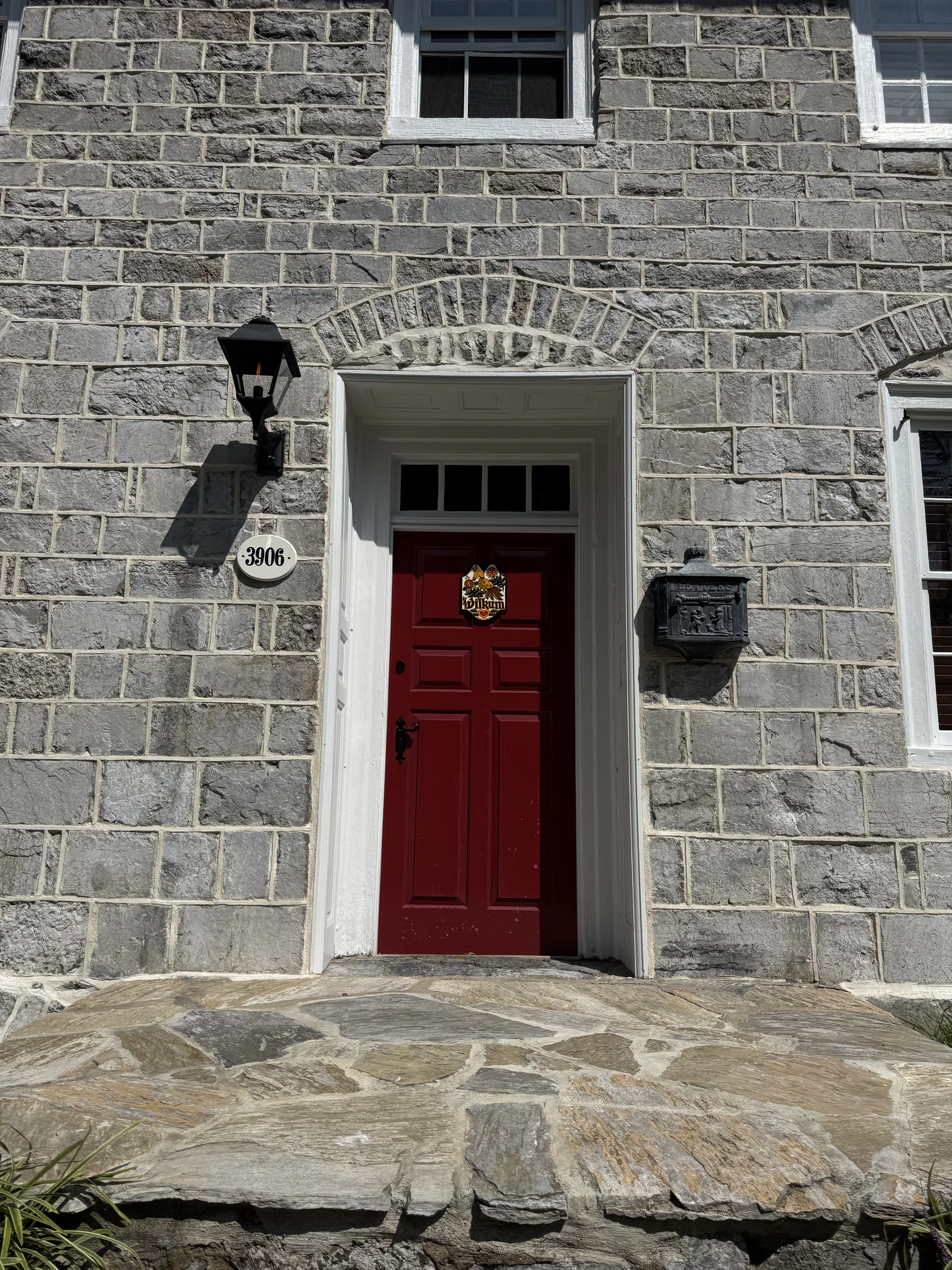
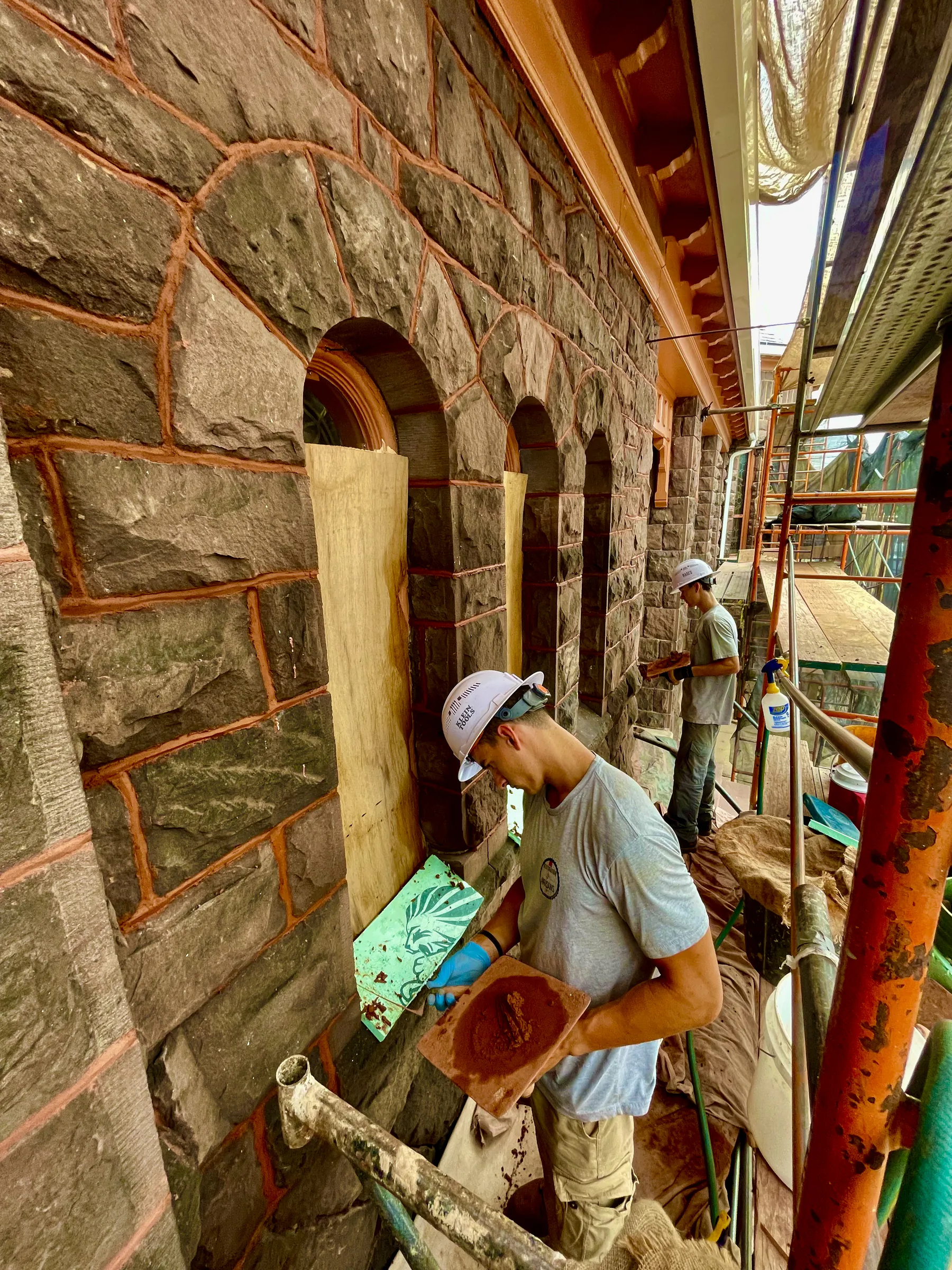
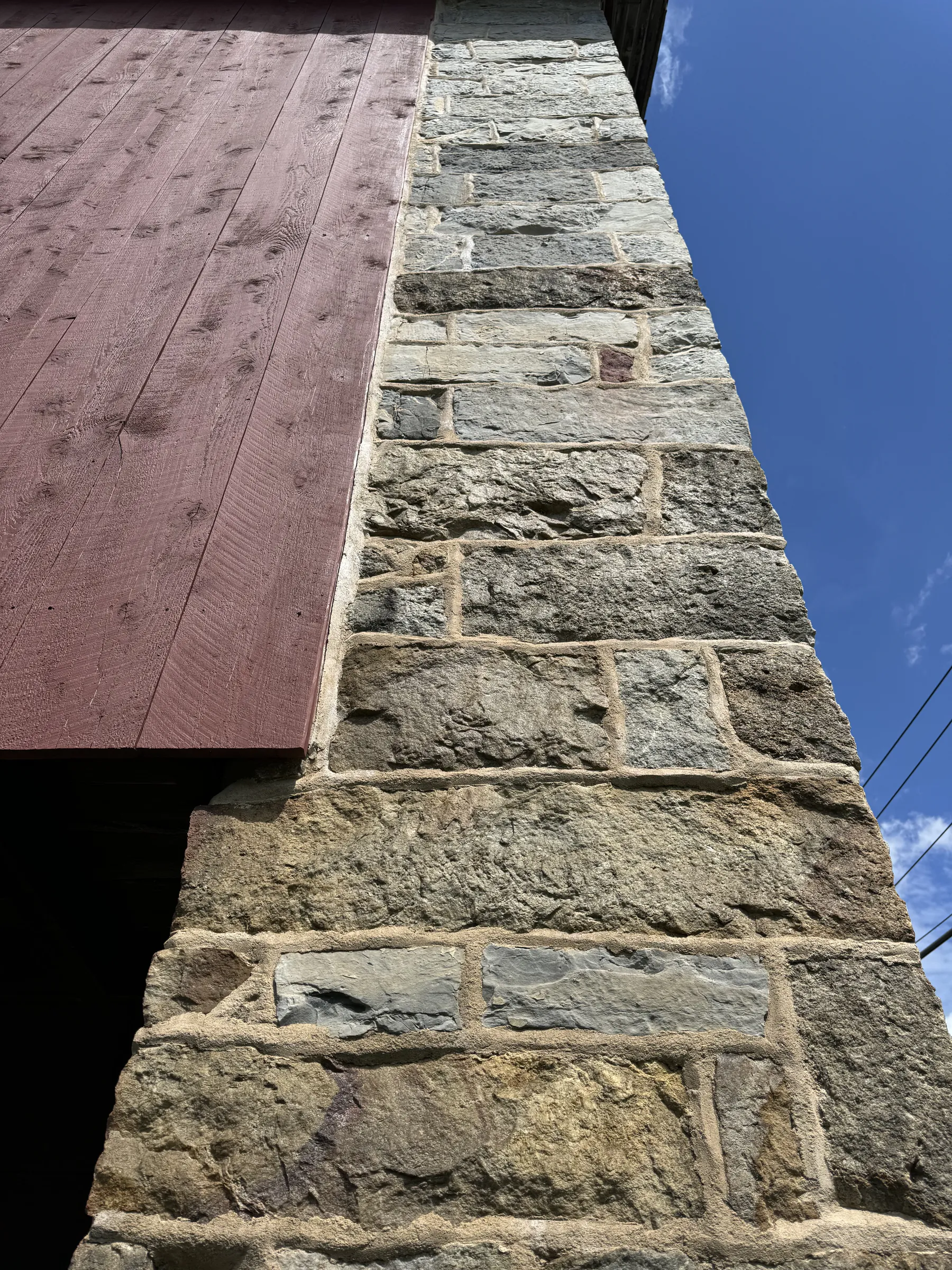
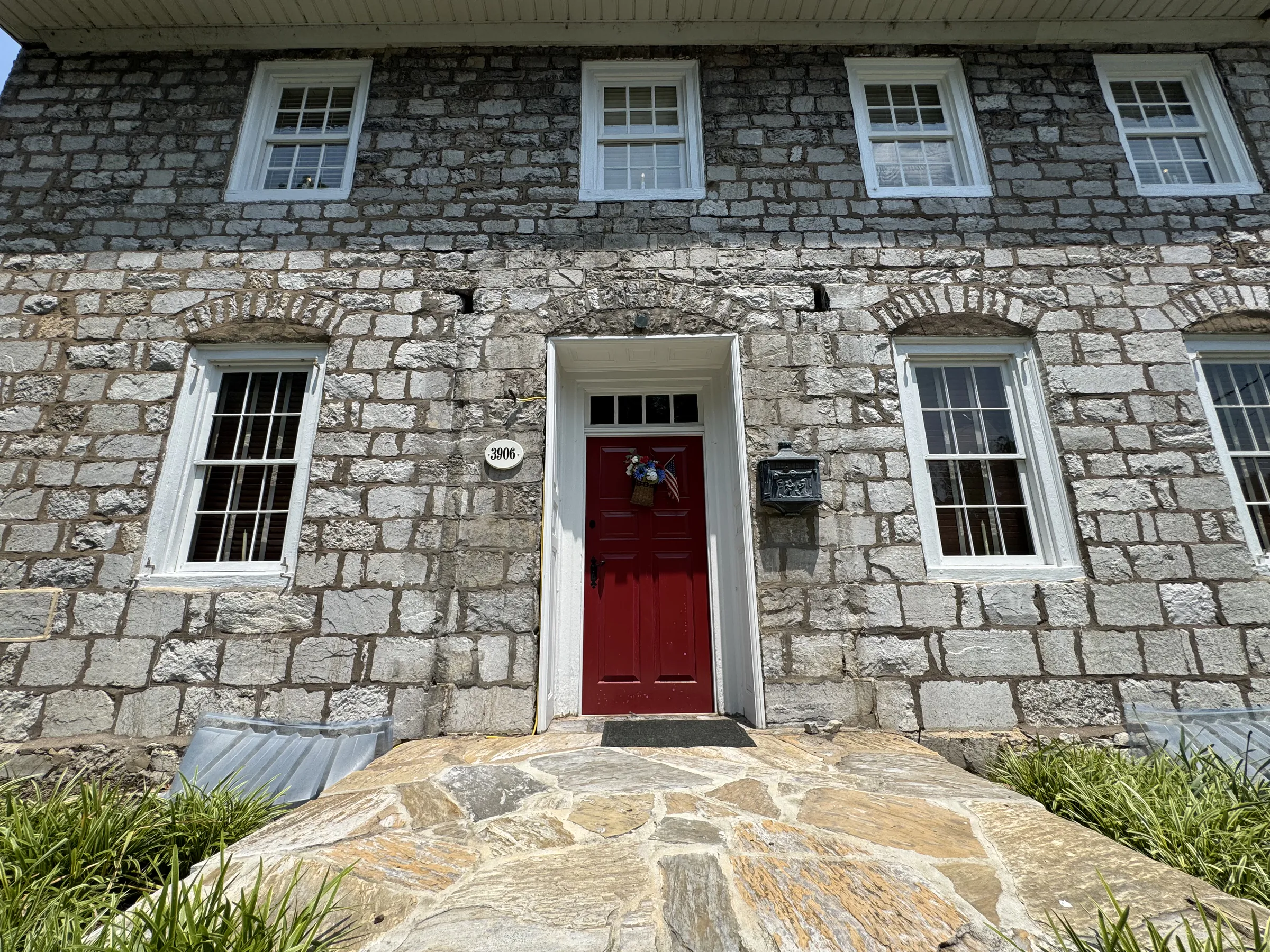
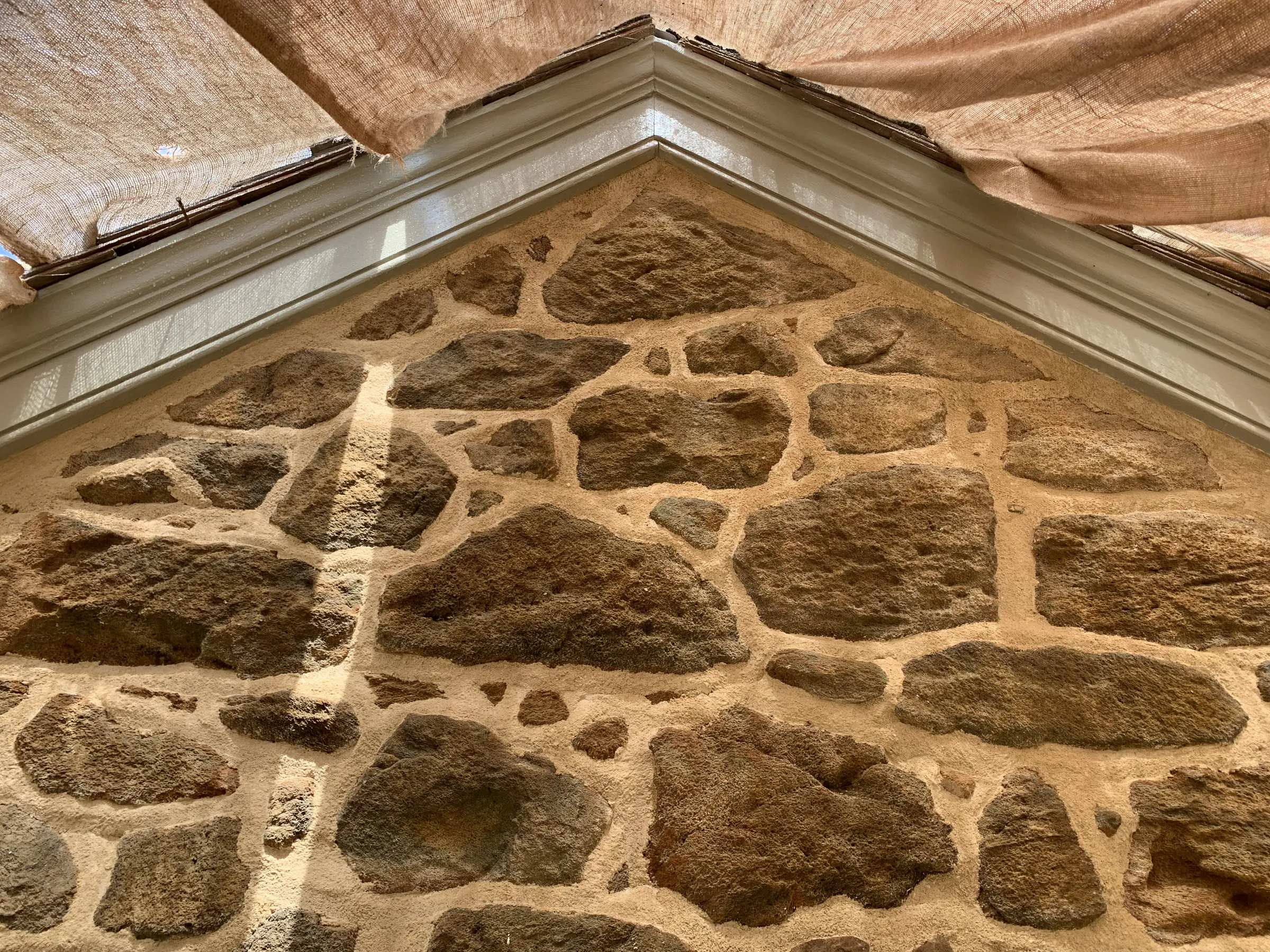
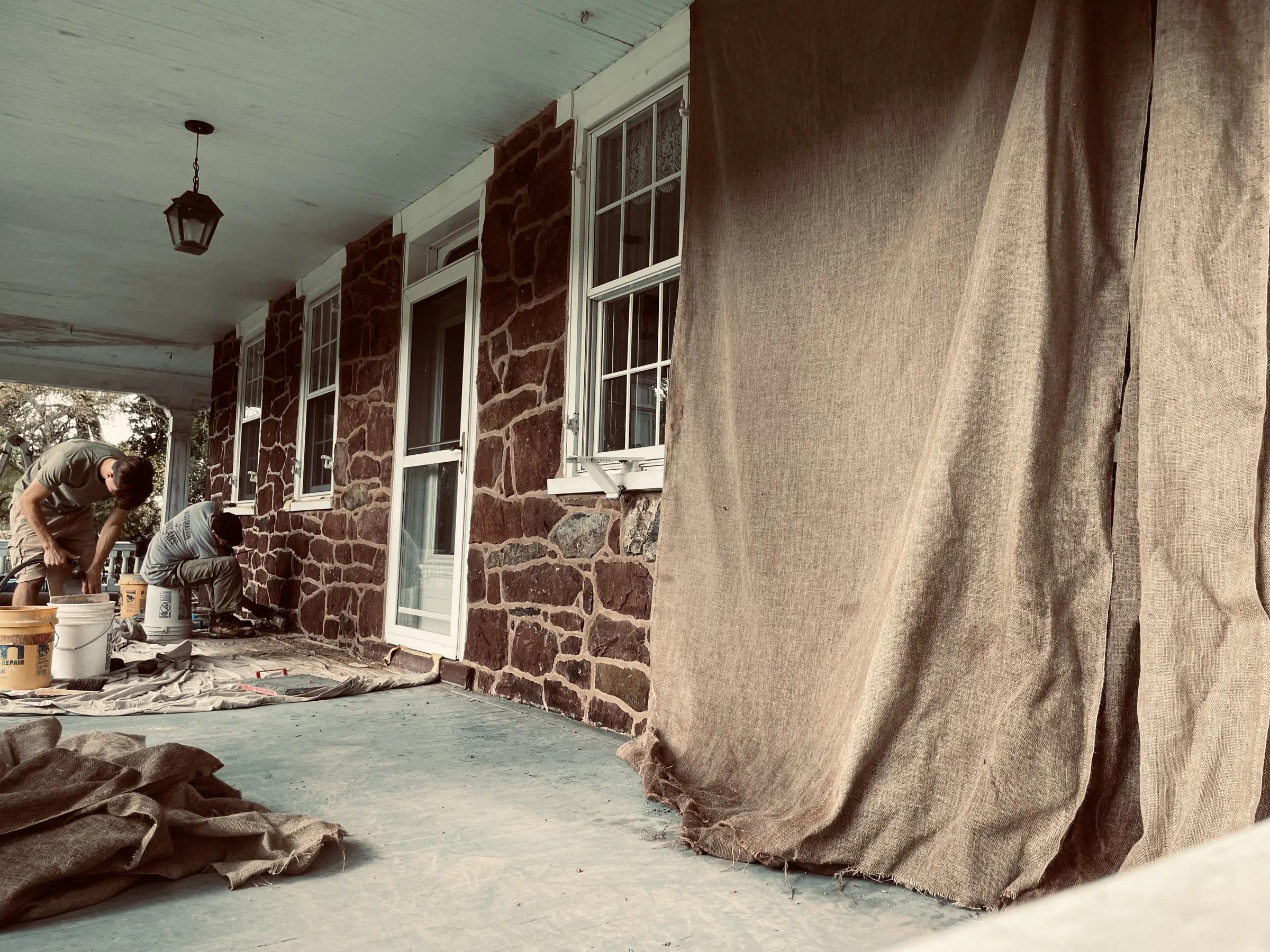
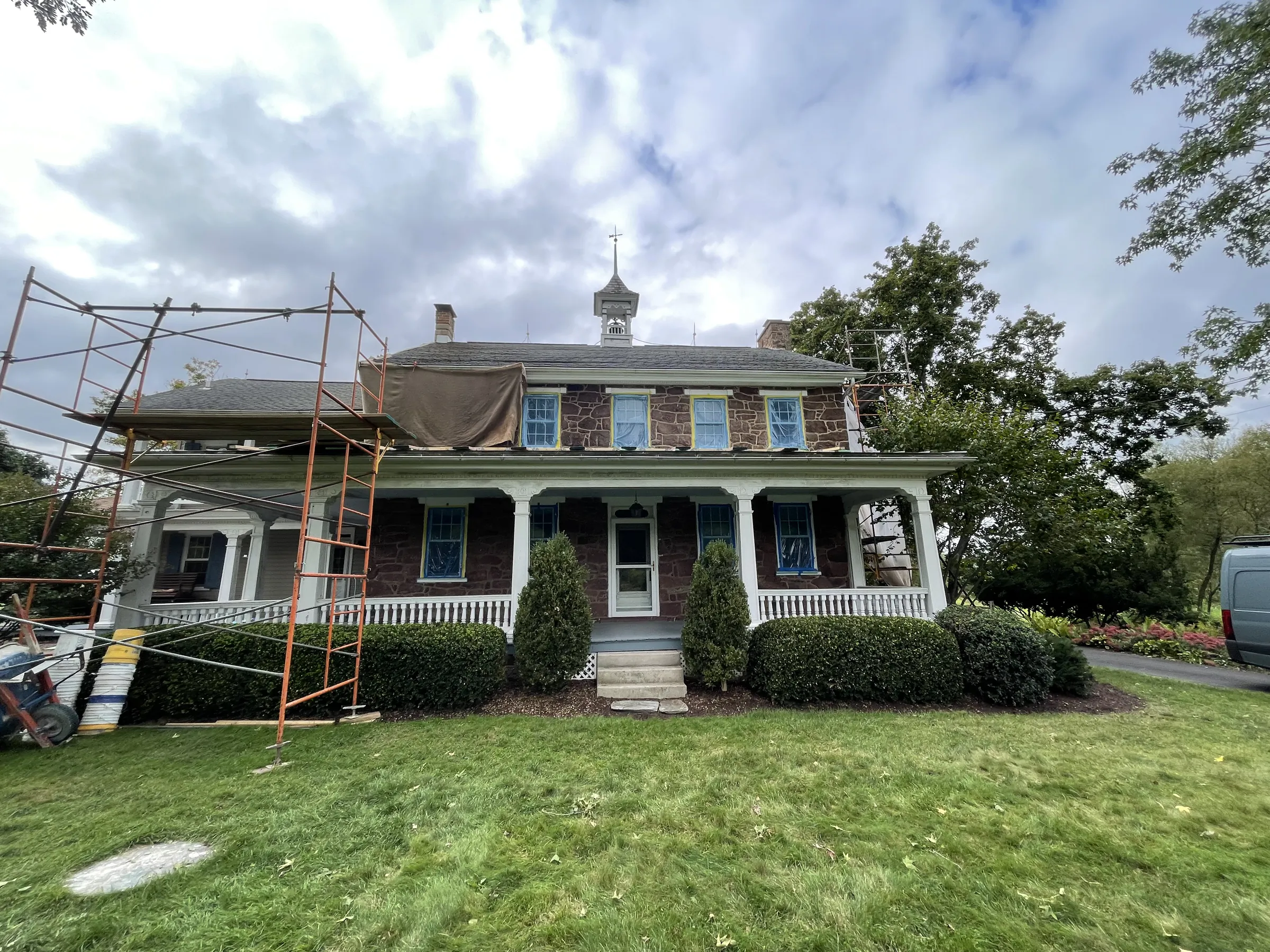
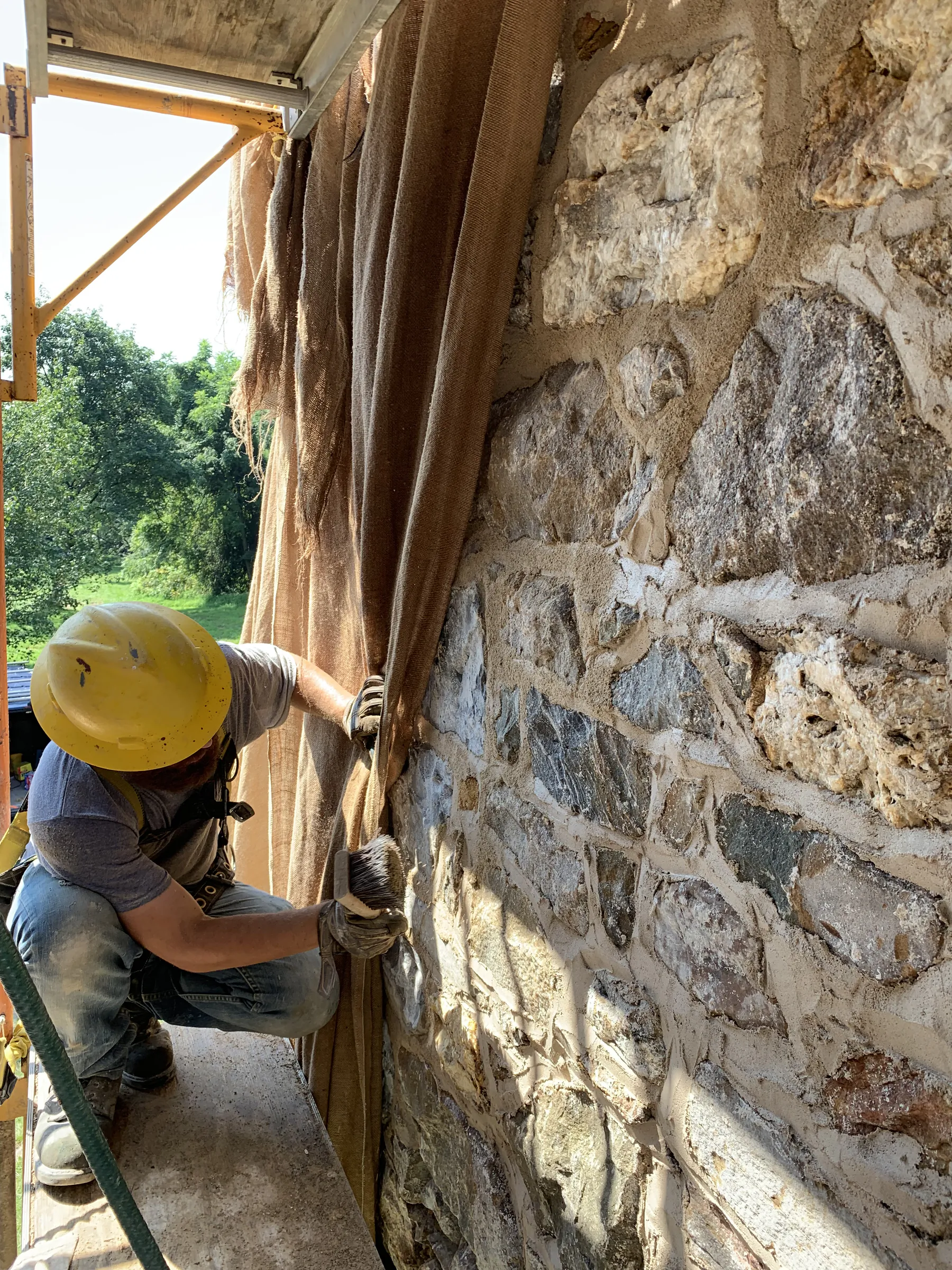
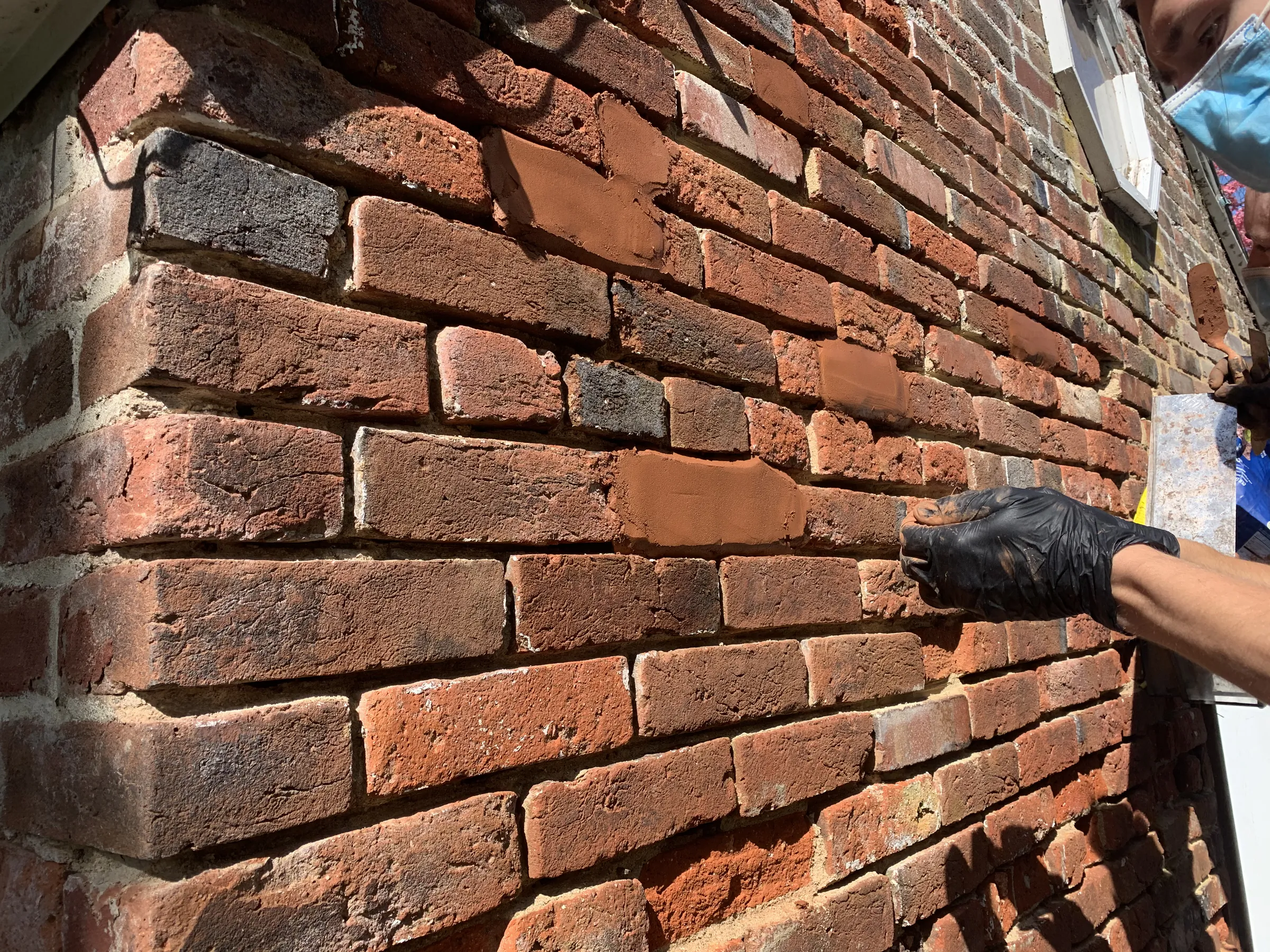
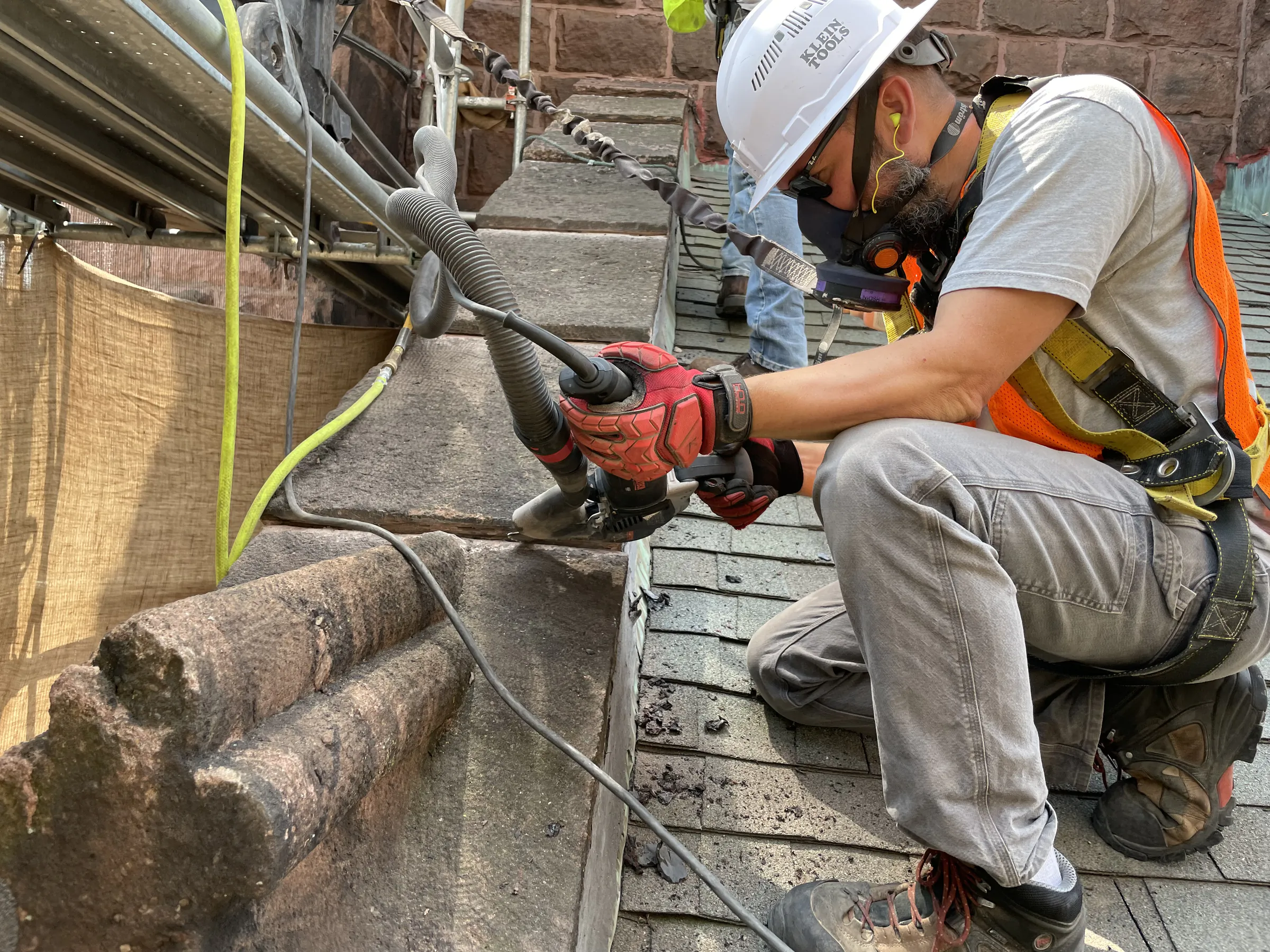
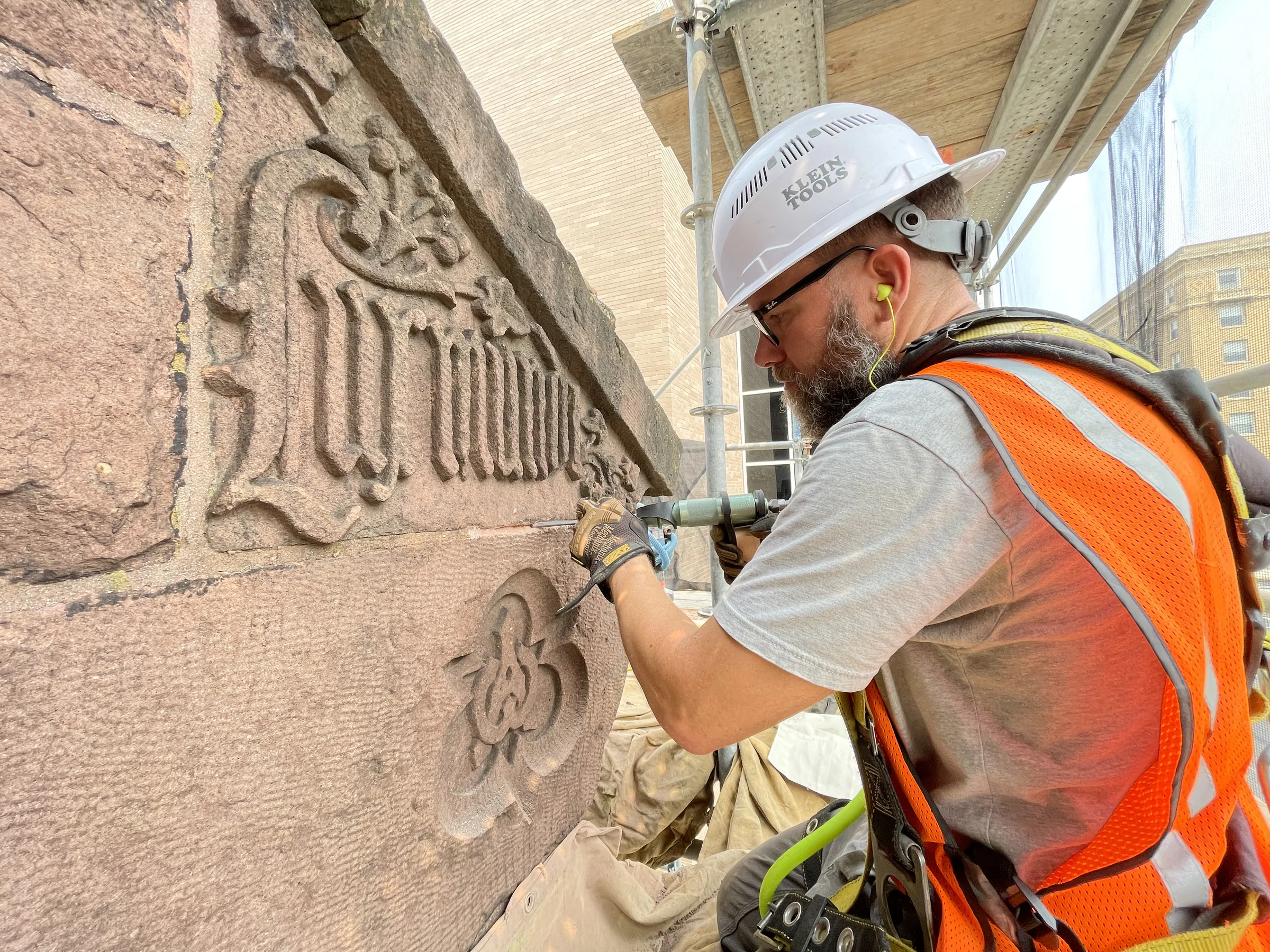
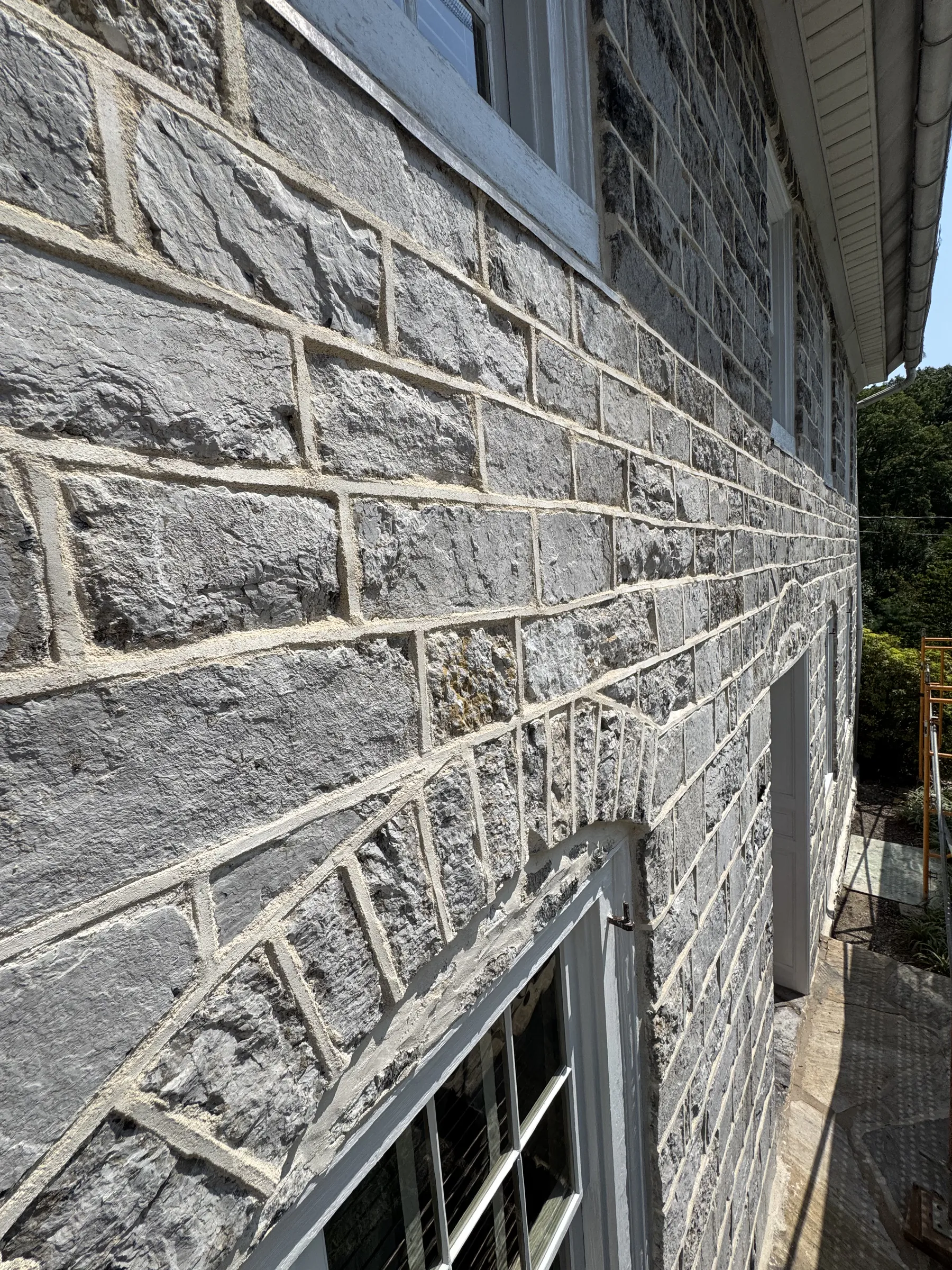
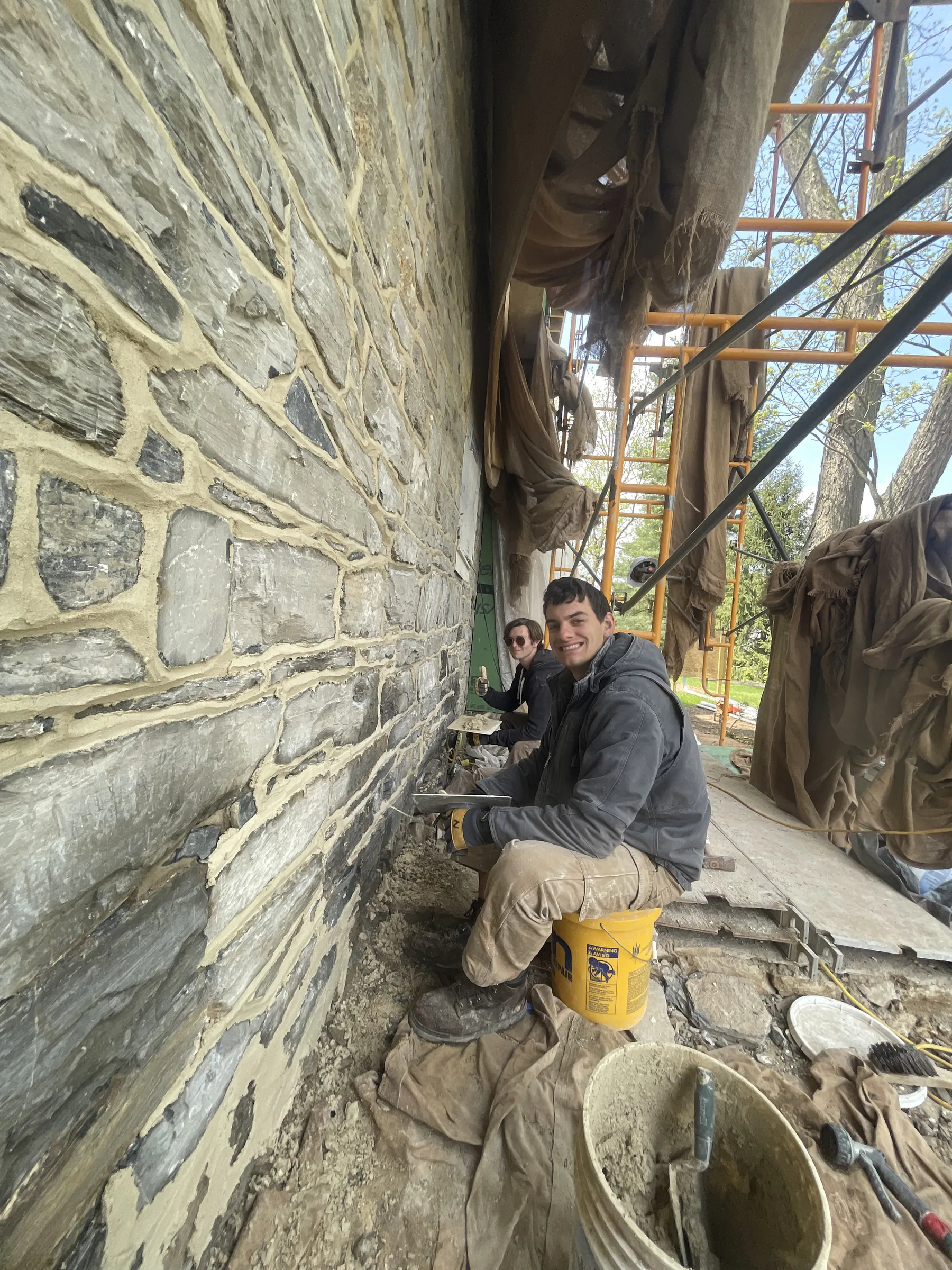
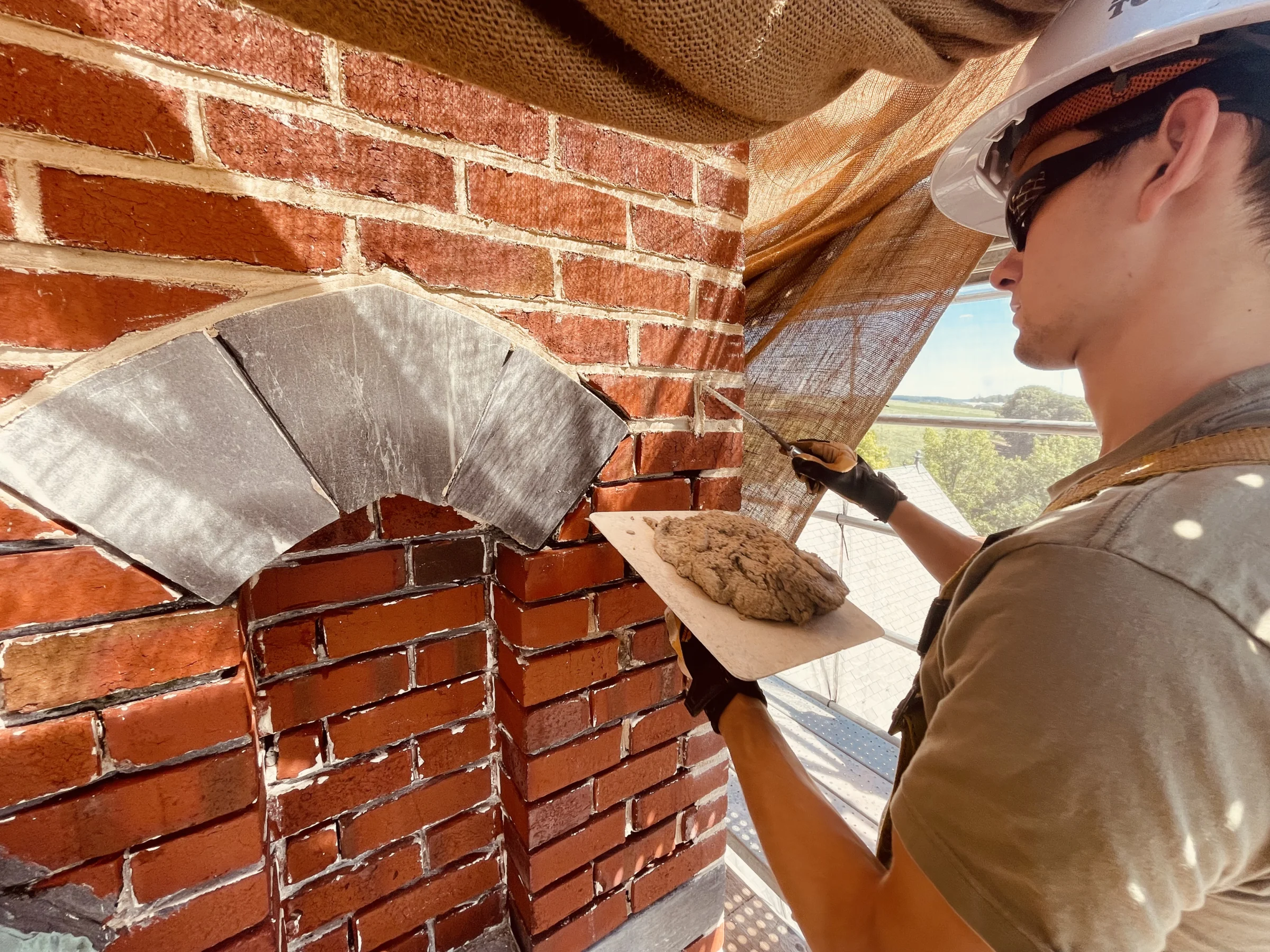
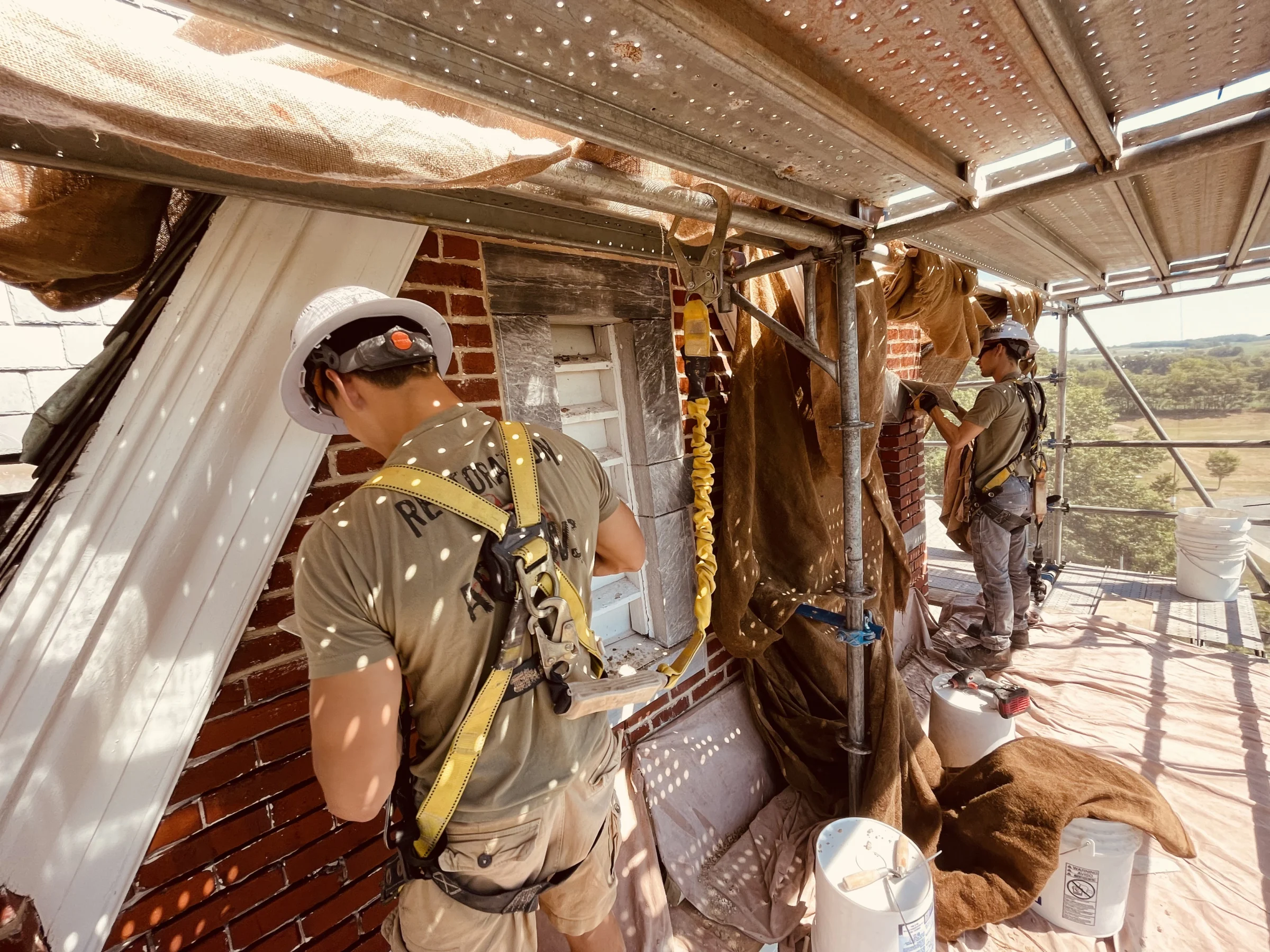
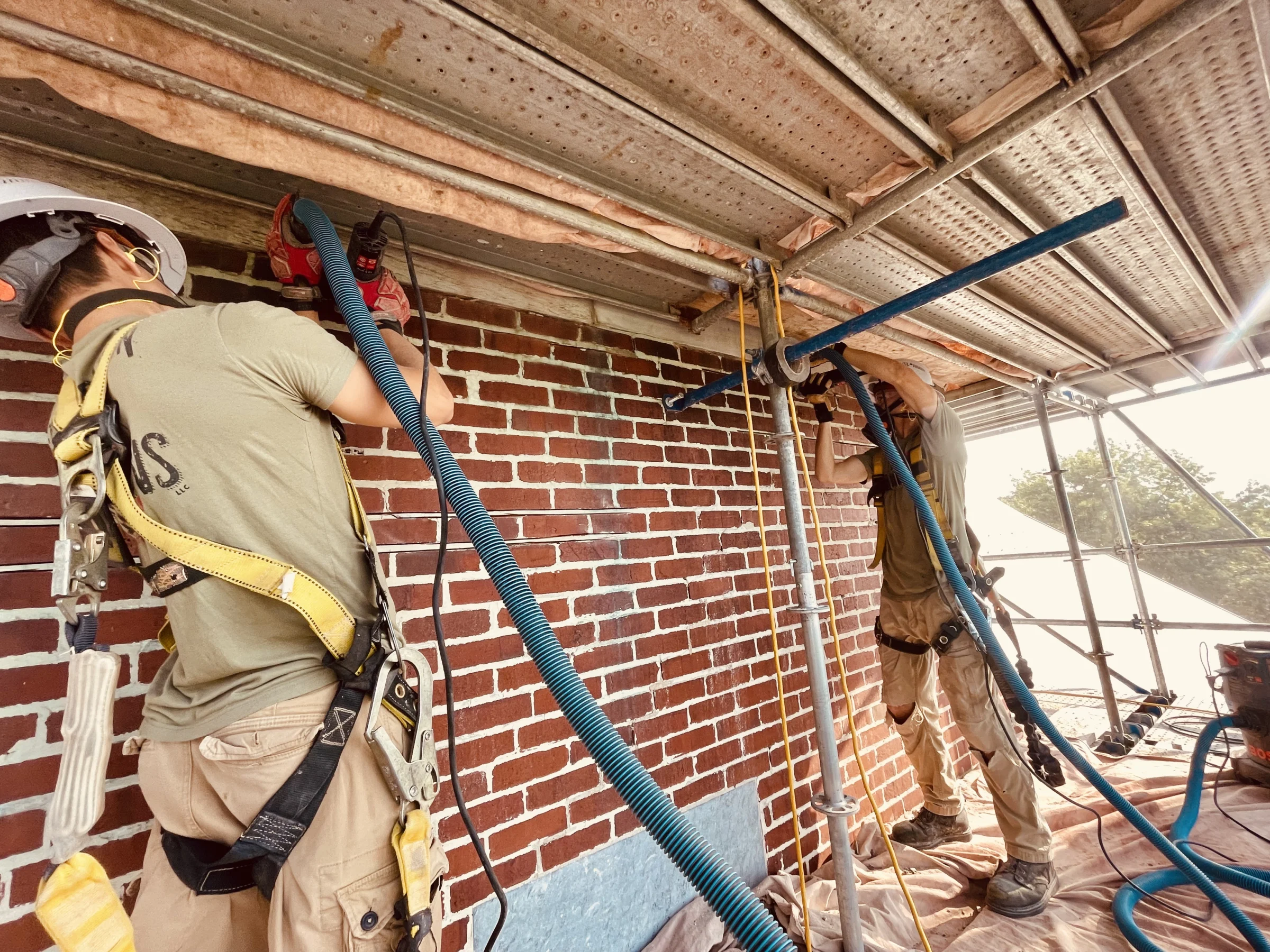
Hydraulic Lime Mortar Repointing in Practice
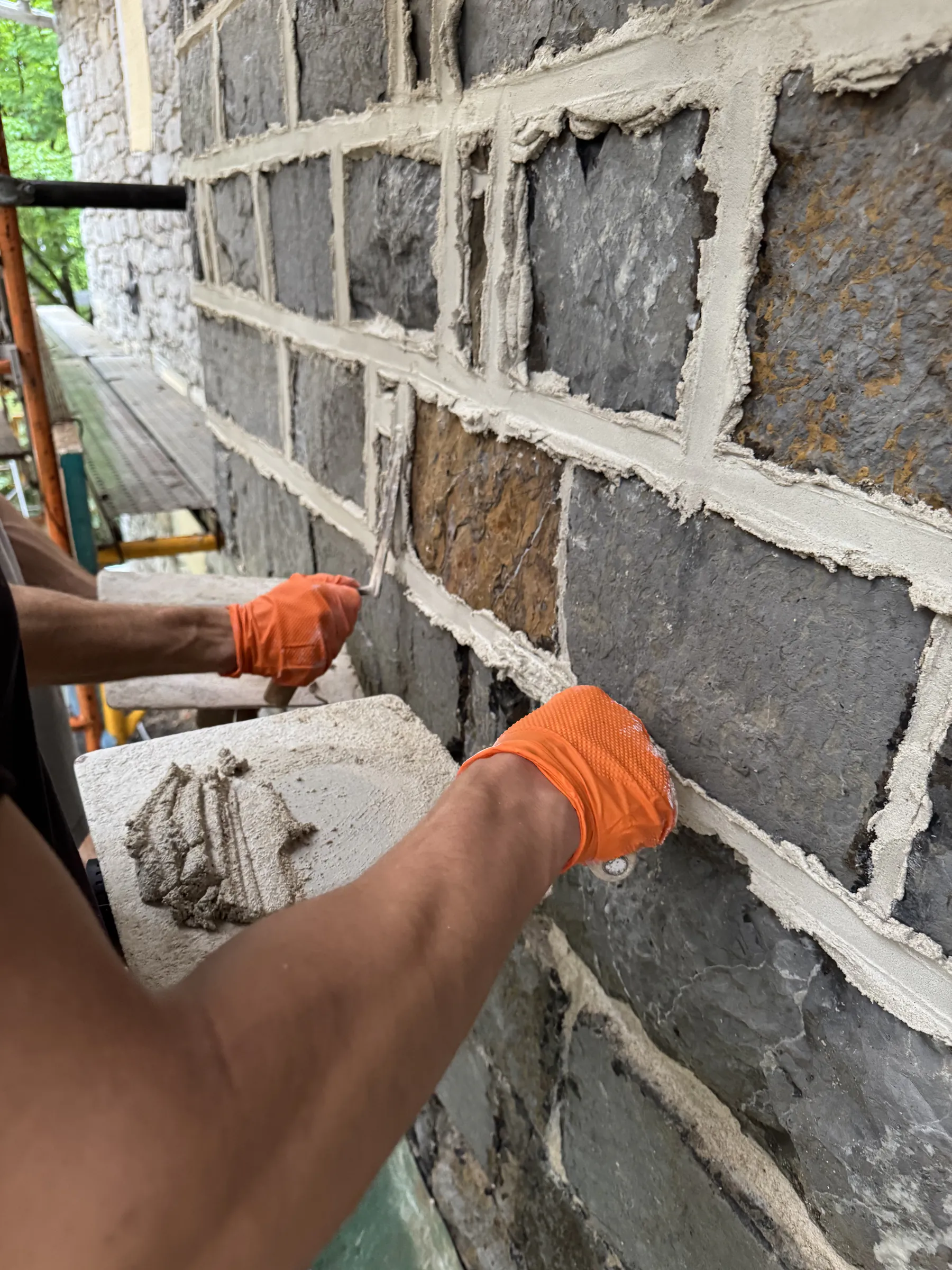
Our Approach to Historic Restoration
Meet & Discuss
Reference from previous clients and similar preservation work will be presented along with a letter of experience documenting Restoration Artisans, LLC. previously accomplished projects.
Diagnose
Each historic masonry restoration project requires a unique diagnosis of the issues that contributed to the necessity for repairs. Restoration Artisans will first understand the contributing factors that caused the repairs, then suggest an appropriate course of action to restore the structure correctly.
Propose Solutions
Restoration Artisans will propose a thoughtful solution, based on successful historic masonry restoration projects, that will provide a lasting repair to the specific needs of the structure without accelerating deterioration to the facade.
Restoration Project
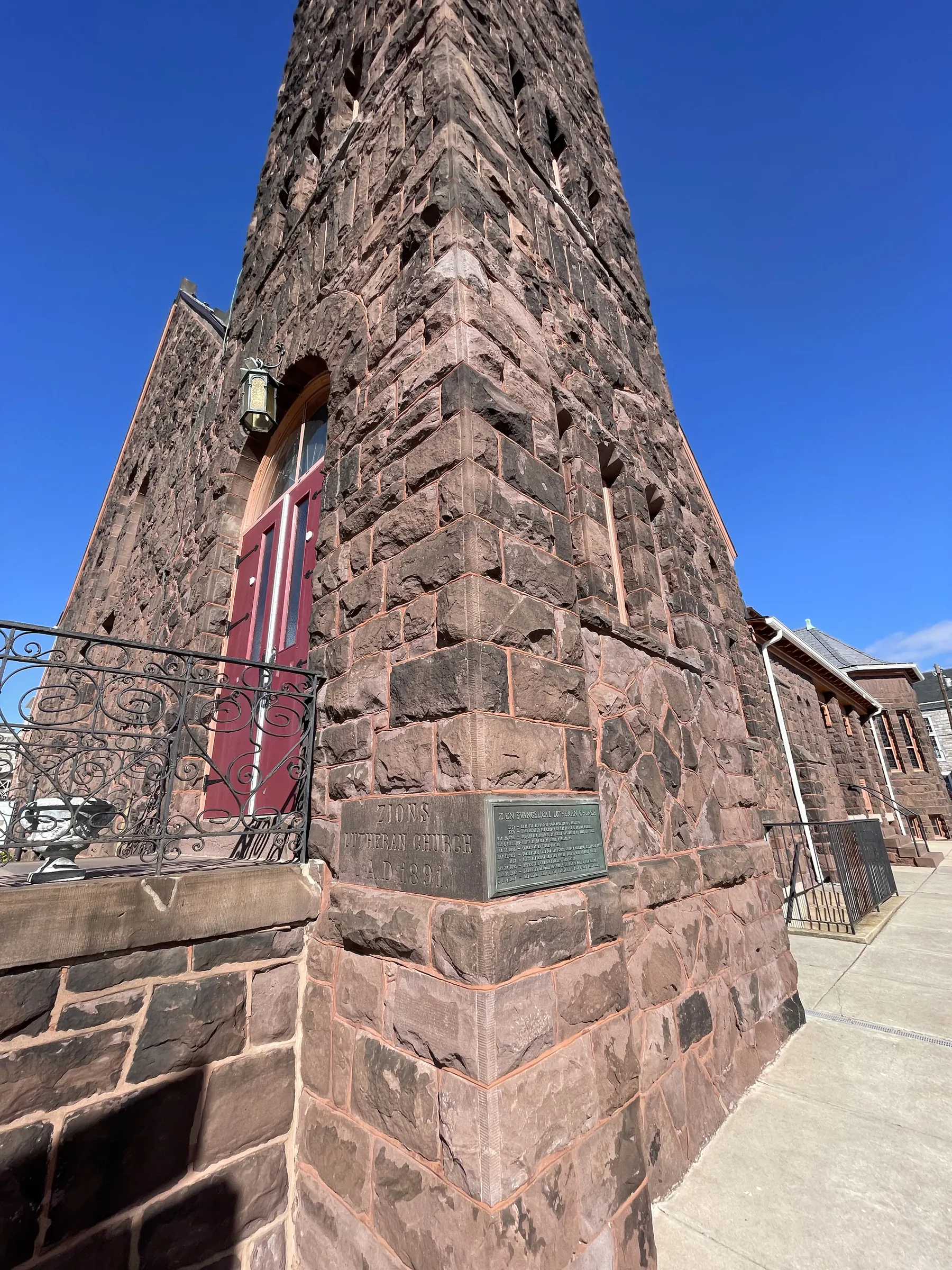
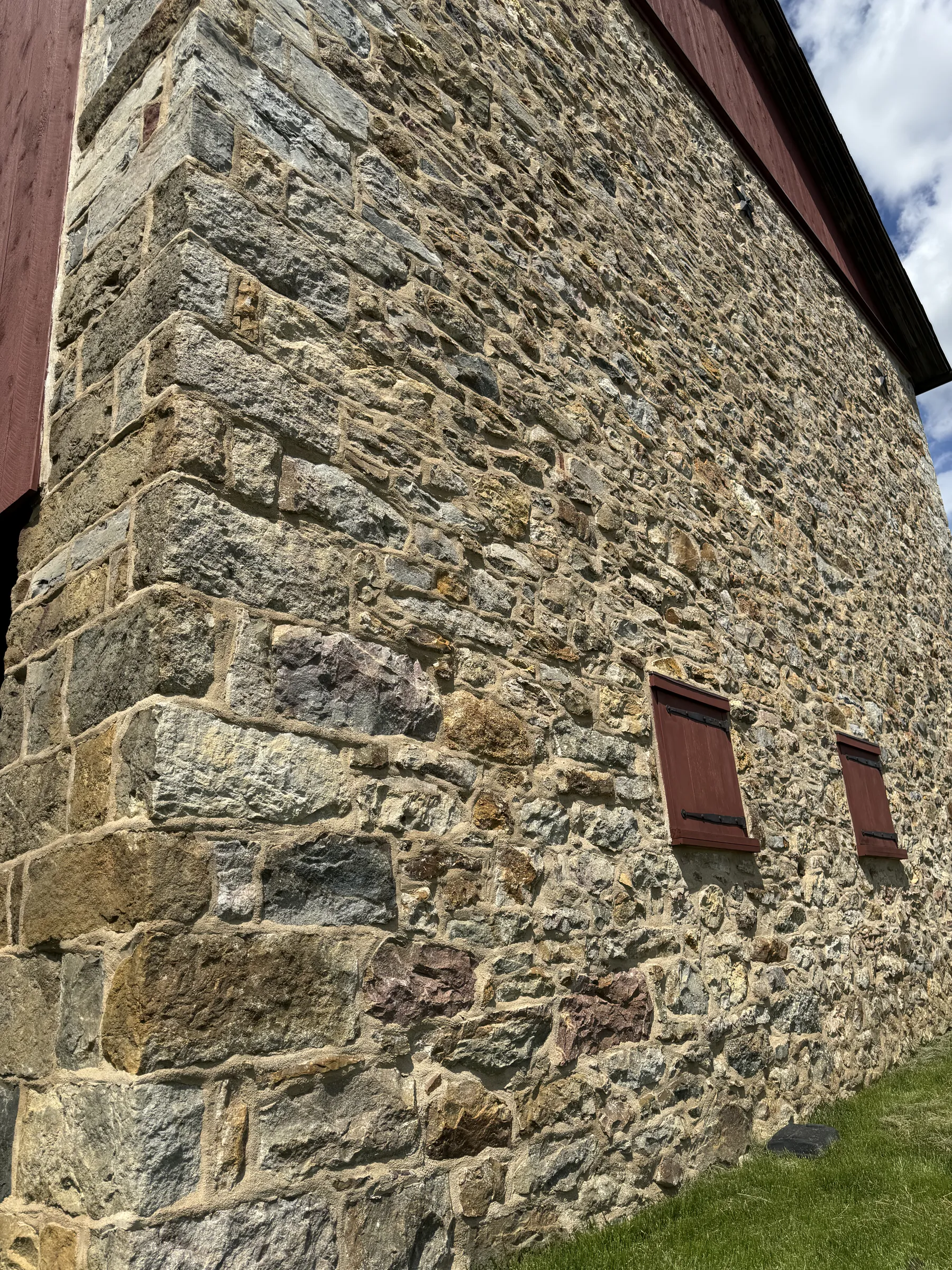
Using the highest quality materials and techniques, Restoration Artisans will begin the process of restoring the building to it’s original glory, being sensitive to the historic nature of the structure and respectful of the surrounding property. Whether it is a colonial limestone farmhouse that requires lime mortar repointing, a brownstone building that is need of repair with Jahn Restoration Mortars and stone replacement, or a historic bank barn that requires structural stonemasonry and woodworking repairs, Restoration Artisans can help.
How This Method Is Typically Applied
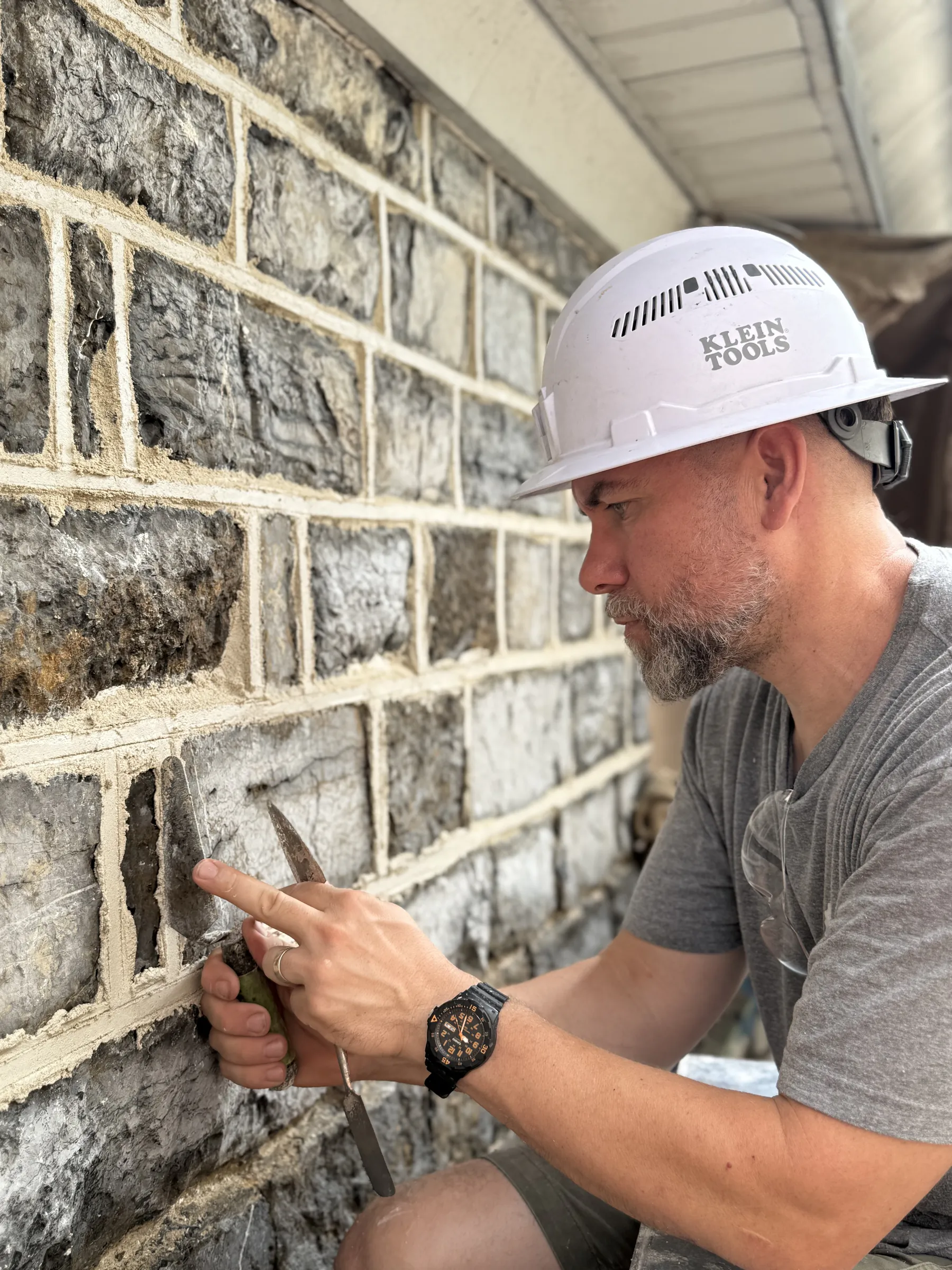
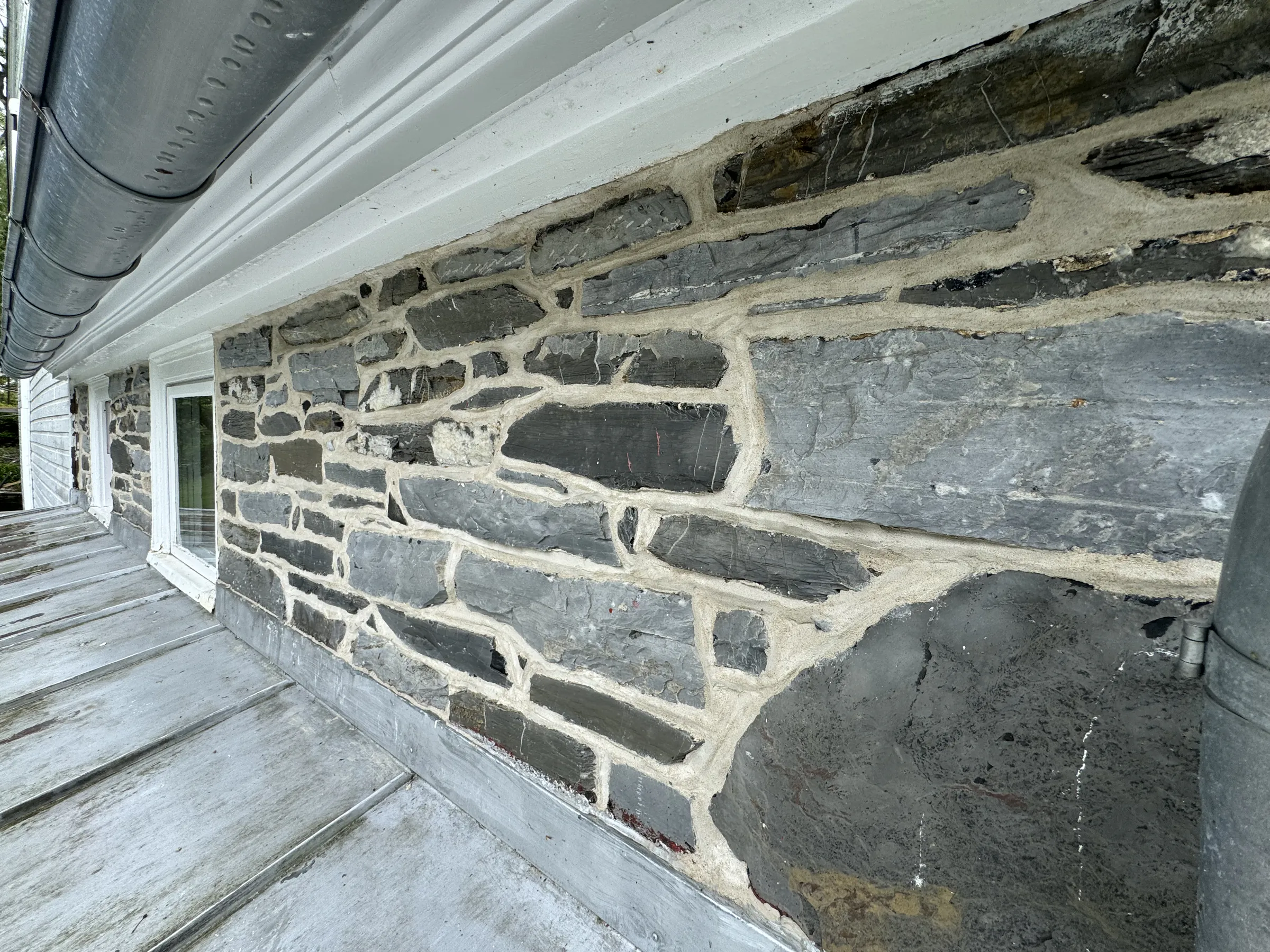
Hydraulic lime mortar repointing is carefully planned and executed to match the original construction of the building. Mortar composition, joint profile, texture, and color are evaluated before work begins to ensure compatibility with existing masonry.
Deteriorated mortar is selectively removed by hand, minimizing disturbance to surrounding stone or brick. New lime mortar is then installed in layers and finished to replicate historic joint styles, resulting in repairs that blend seamlessly while improving performance.
Related Methods Commonly Used Alongside
Hydraulic lime mortar repointing is frequently coordinated with other restoration methods, including:
Together, these methods address moisture management, material compatibility, and long-term durability.

Planning and Executing Lime Mortar Repointing Projects
From initial assessment through long-term restoration planning, we help property owners make informed decisions rooted in historic accuracy and proven conservation practices.
Proudly serving Central and Southeastern Pennsylvania, including:
Montgomery County (PA), Gladwyne, Villanova, Bryn Mawr, Haverford, Ardmore, Rosemont, Chester County (PA), Wayne, Devon, Berwyn, Hershey, Hummelstown, Lower Paxton Township, Linglestown, Susquehanna Township, Camp Hill, Mechanicsburg, Hampden Township, Upper Allen Township, Silver Spring Township, South Lebanon Township, North Cornwall Township, Cornwall, Mount Gretna, Cleona, Shrewsbury, New Freedom, Lititz, Manheim Township, East Hempfield Township, Lancaster Township, Neffsville