

Understanding Brownstone Conservation
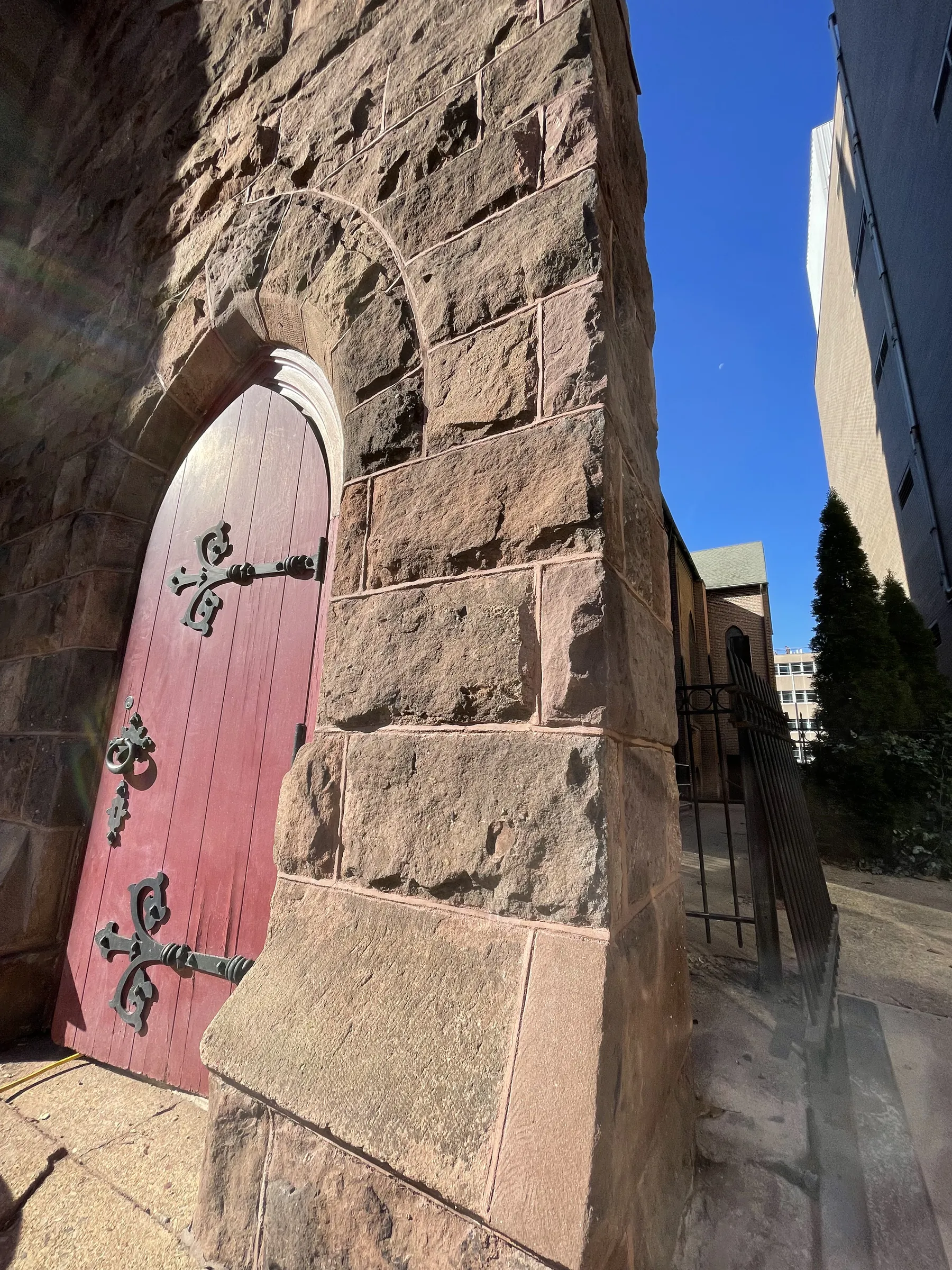
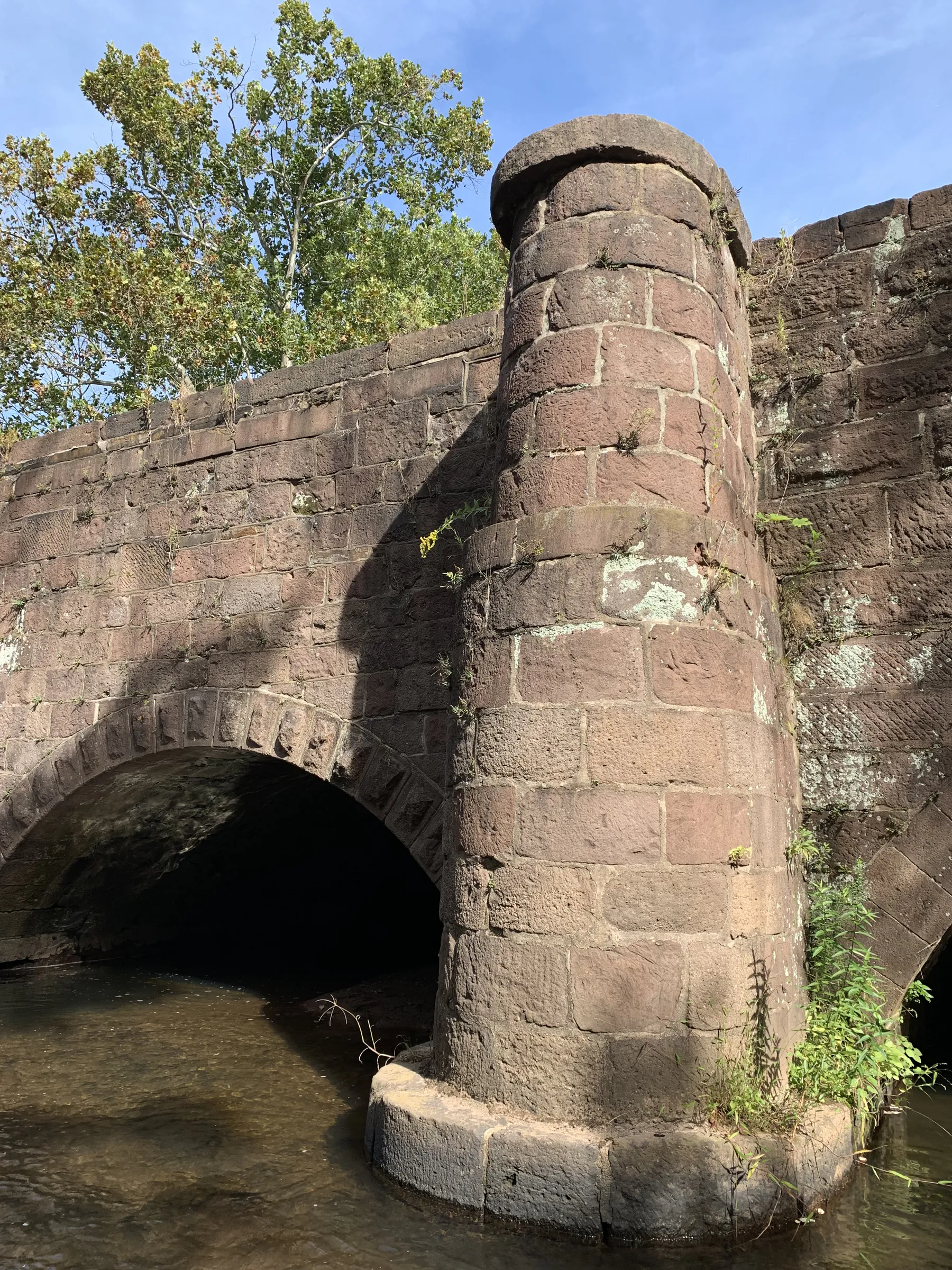
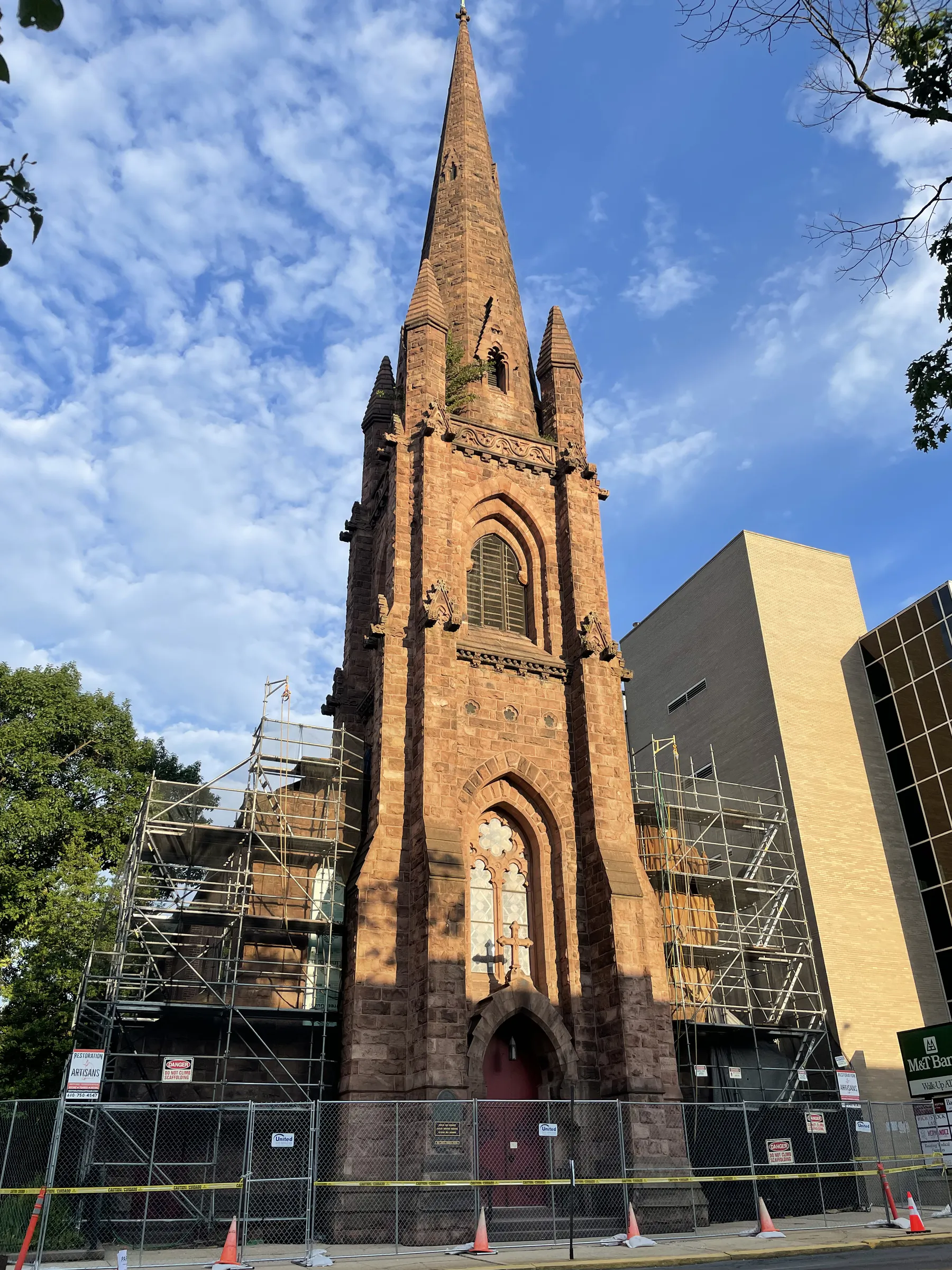
Brownstone façades are among the most recognizable features of historic urban architecture – such as Philadelphia churches – but they are also some of the most vulnerable. Exposure to moisture, freeze–thaw cycles, pollution, and past repairs using incompatible materials can cause brownstone to delaminate, crack, or erode over time. Without careful intervention, these issues accelerate rather than stabilize.
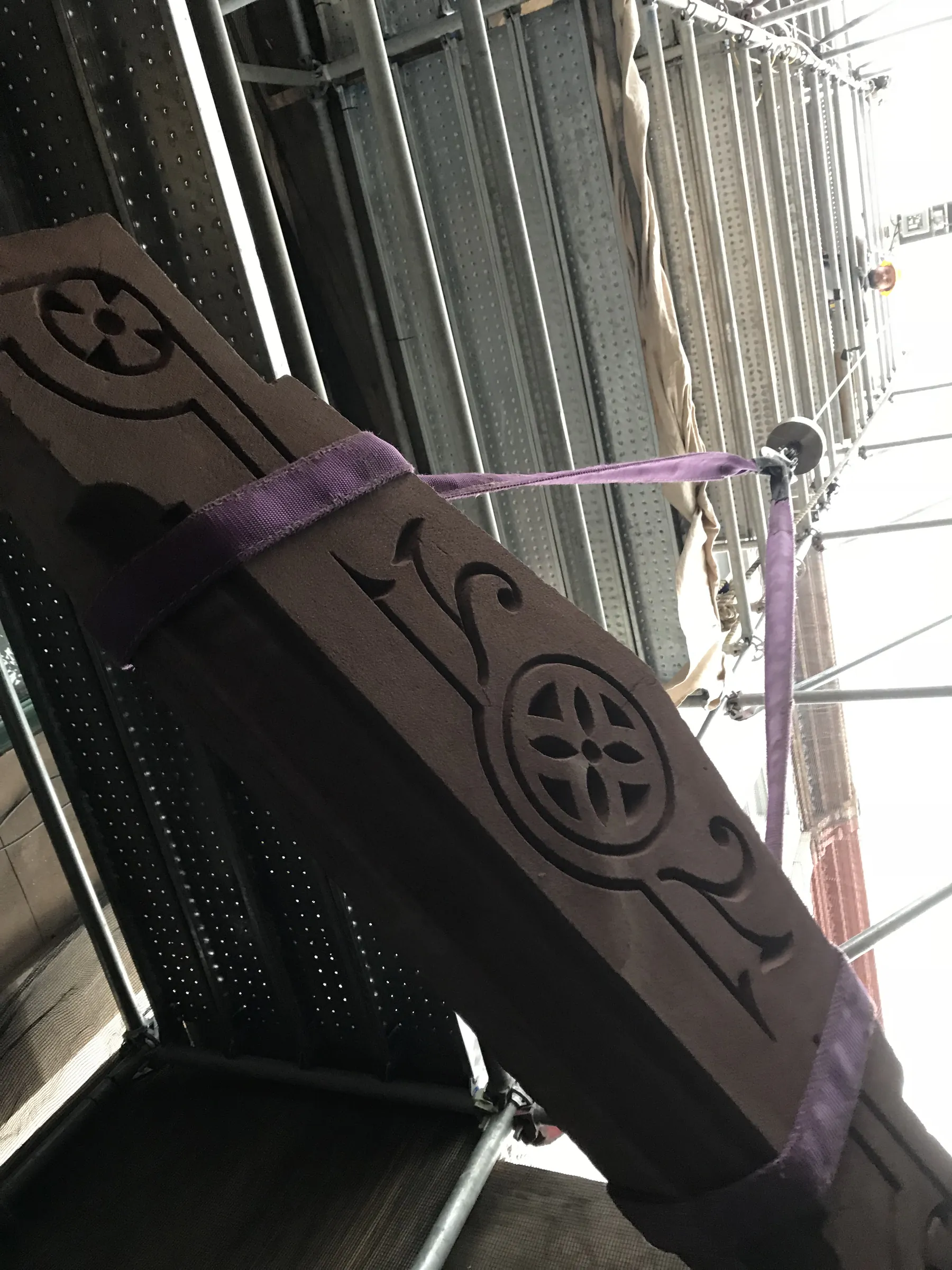
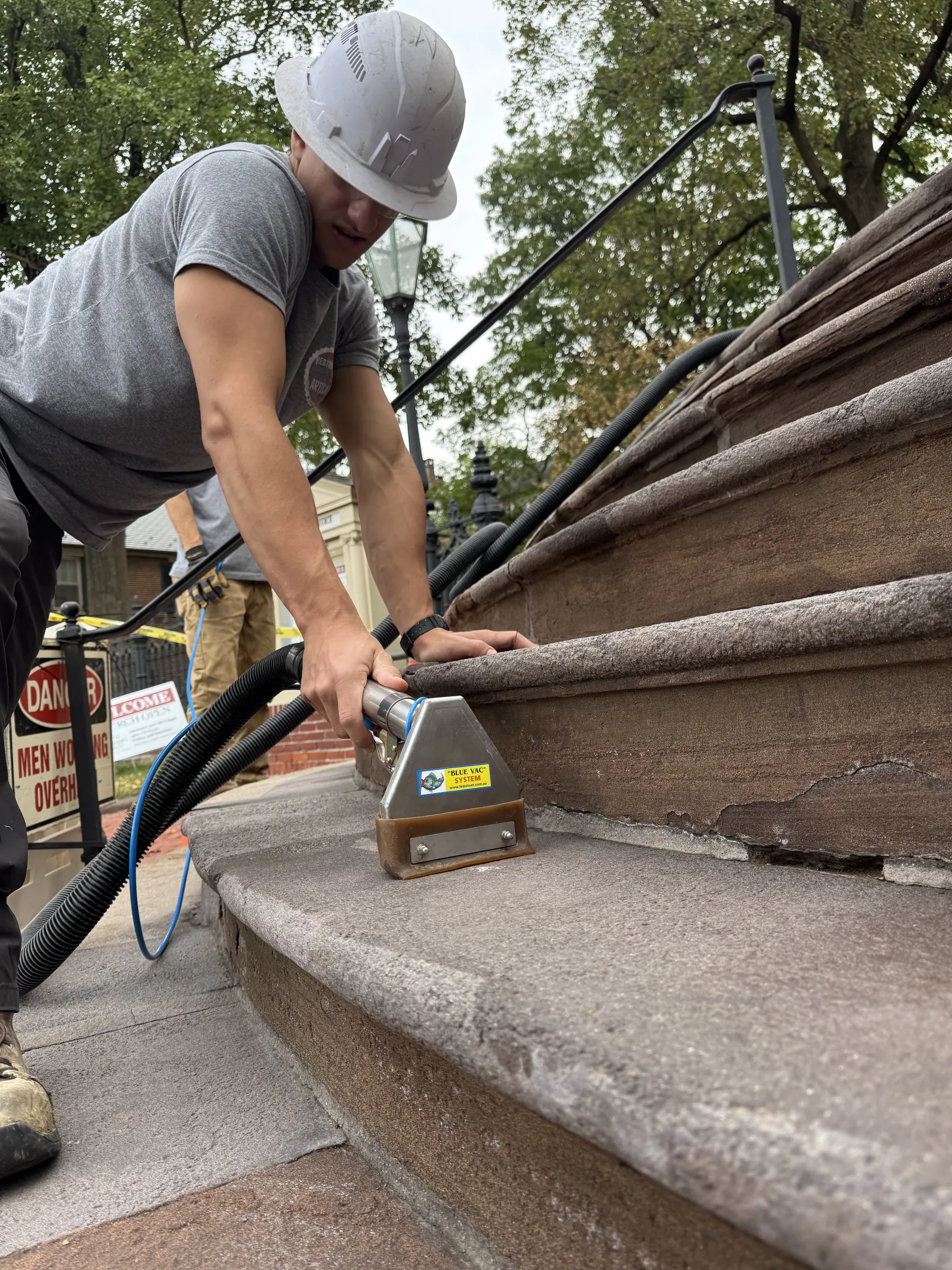
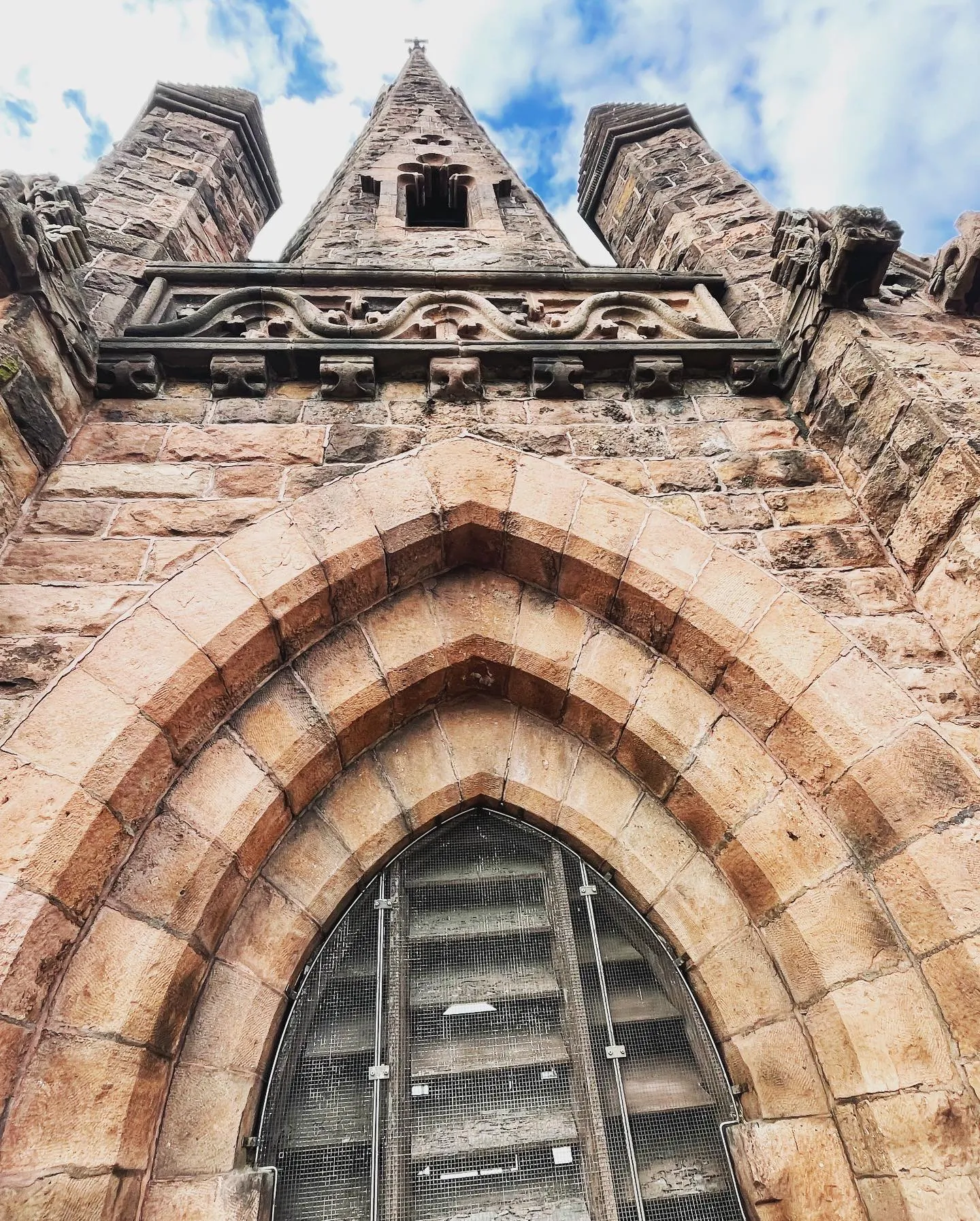
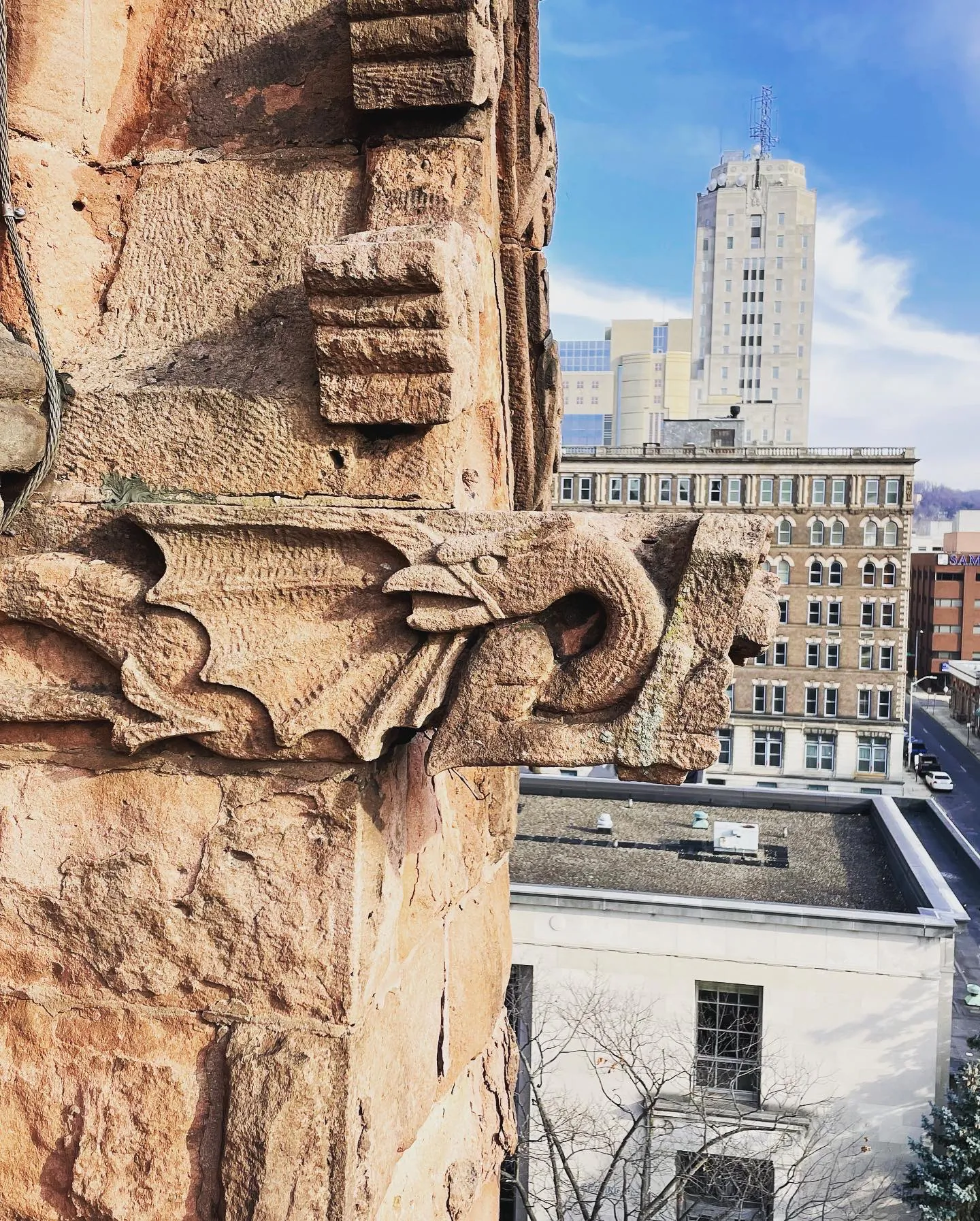
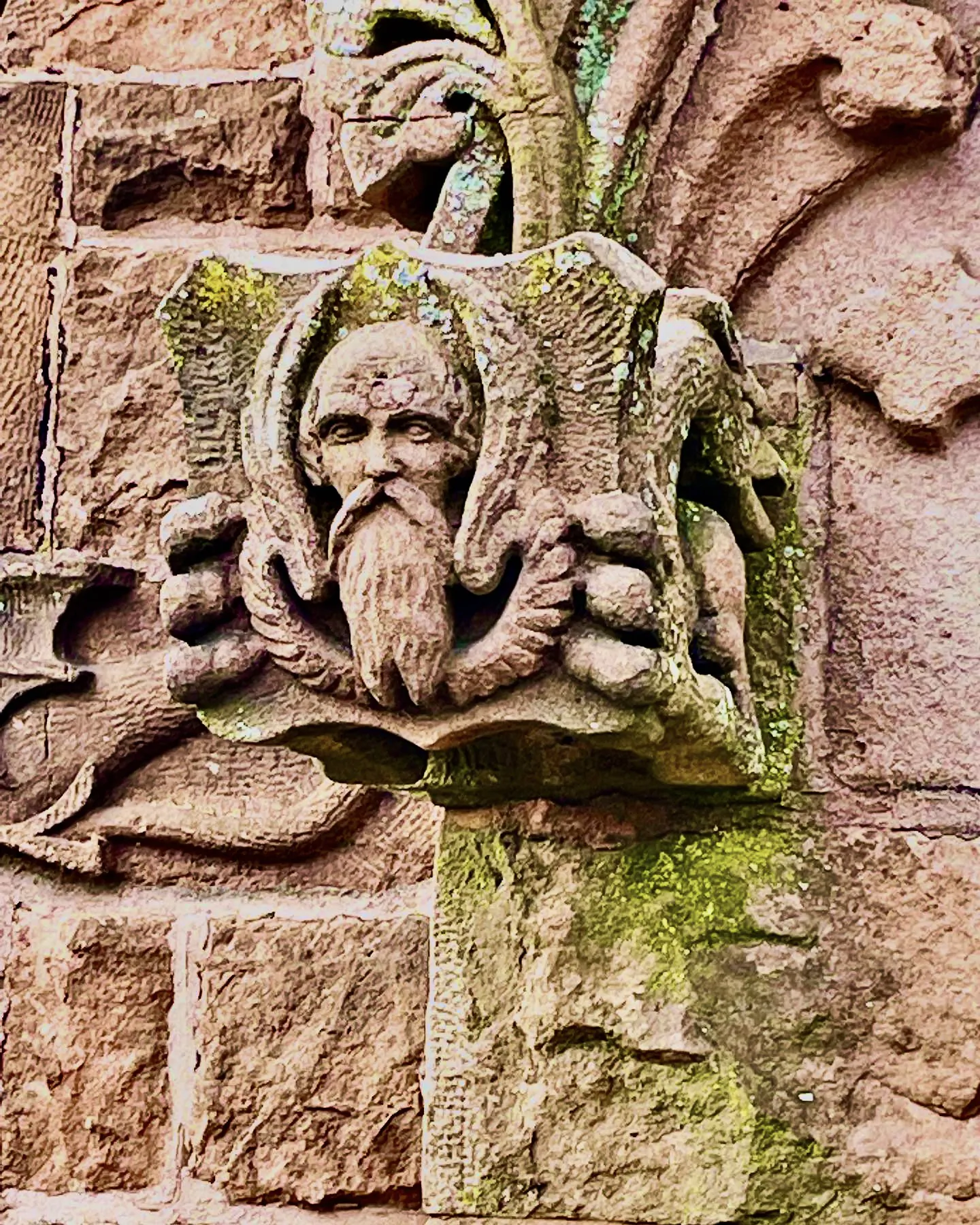
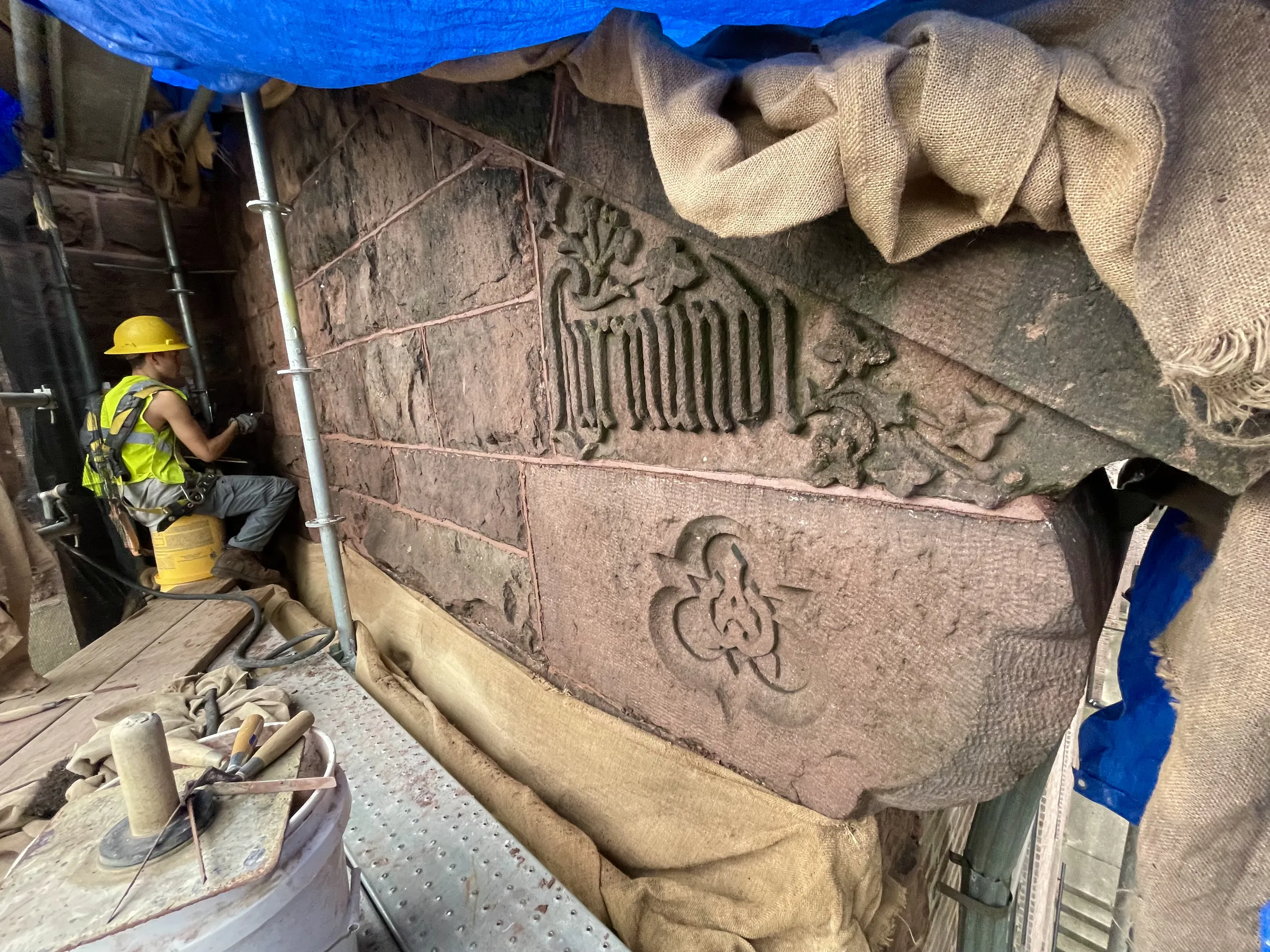
Brownstone conservation focuses on slowing deterioration, stabilizing damaged stone, and preserving original architectural details wherever possible. Rather than wholesale replacement, the goal is to retain as much historic fabric as possible while restoring the stone’s ability to perform as intended.
When Is Brownstone Conservation Needed?
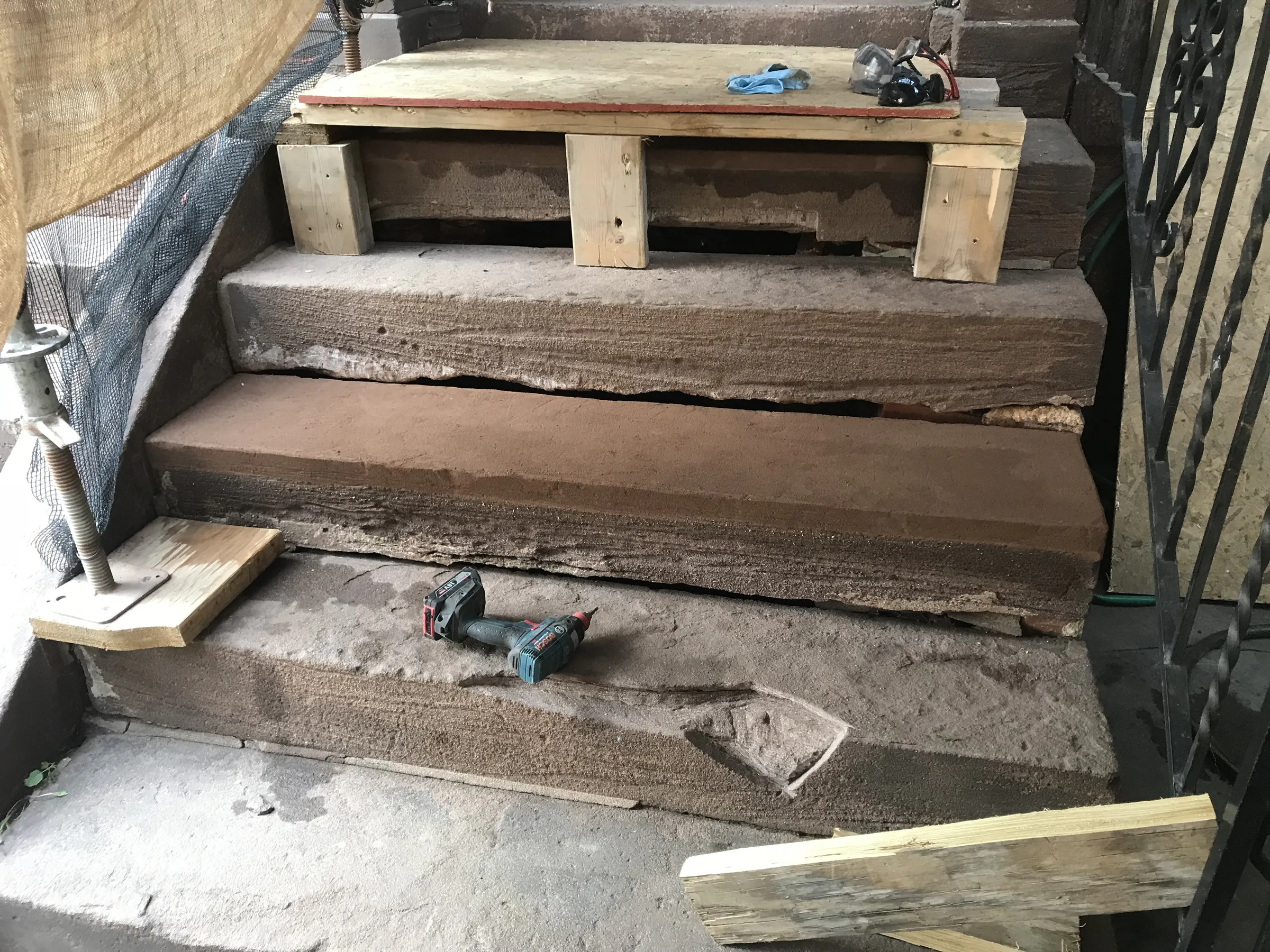
Brownstone conservation is often required when signs of failure begin to appear on the surface or beneath it. Common indicators include flaking or scaling stone, open cracks, softened surfaces, displaced units, or areas that have been previously patched with hard or incompatible materials.
These conditions are frequently found on façades that have endured decades of weather exposure or improper repairs. Early conservation work can prevent localized damage from turning into larger structural or safety concerns.
Why Brownstone Conservation Matters in Historic Structures
Brownstone behaves differently than harder masonry materials. Its softness and layered composition require repair methods that remain breathable and flexible over time. Inappropriate repairs can trap moisture, accelerate decay, and permanently alter the appearance of the stone.
Proper conservation respects both the material properties and the historic character of the building. When executed correctly, it extends the life of the façade, protects surrounding masonry, and preserves the craftsmanship that defines historic brownstone architecture.
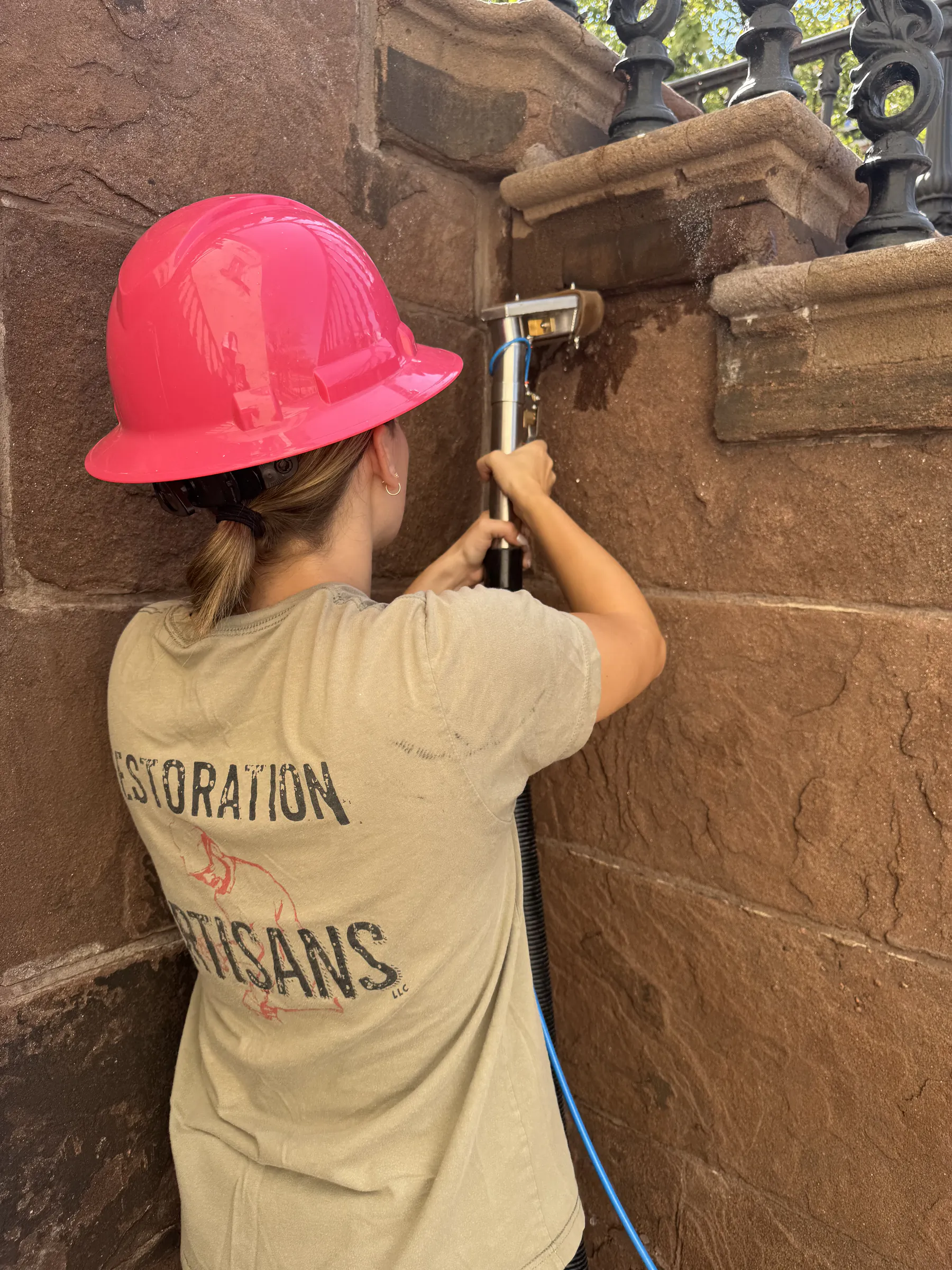
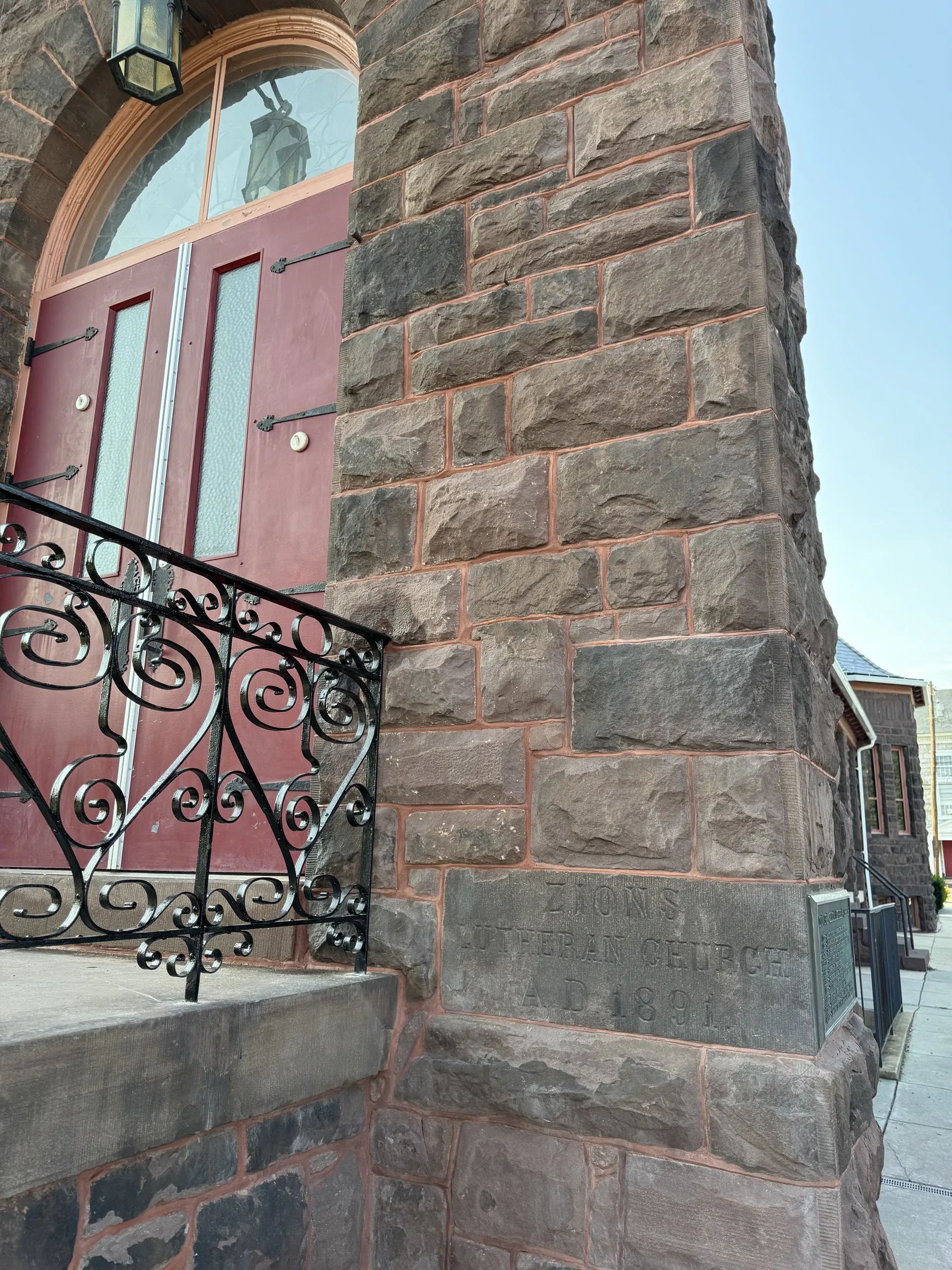
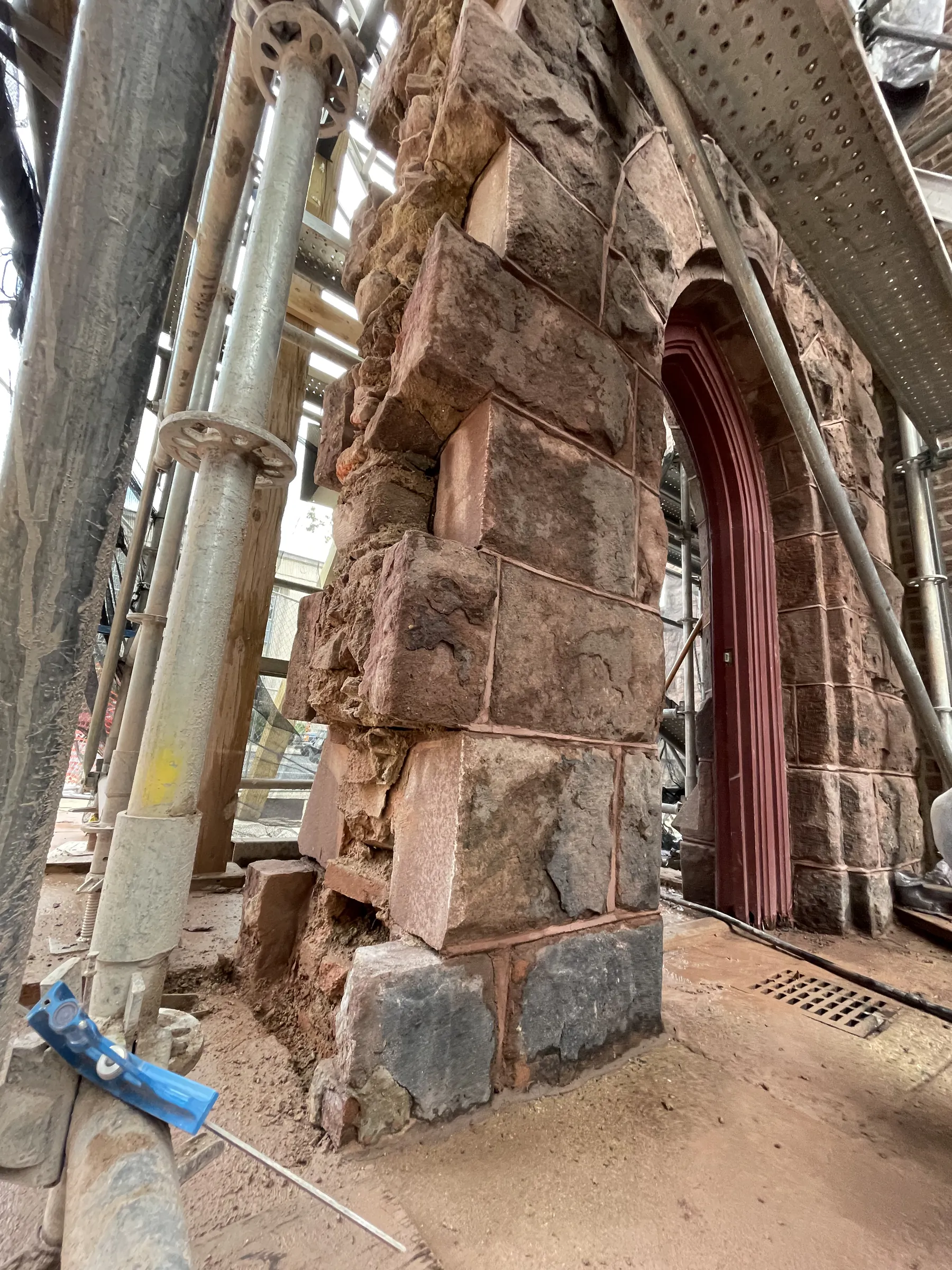
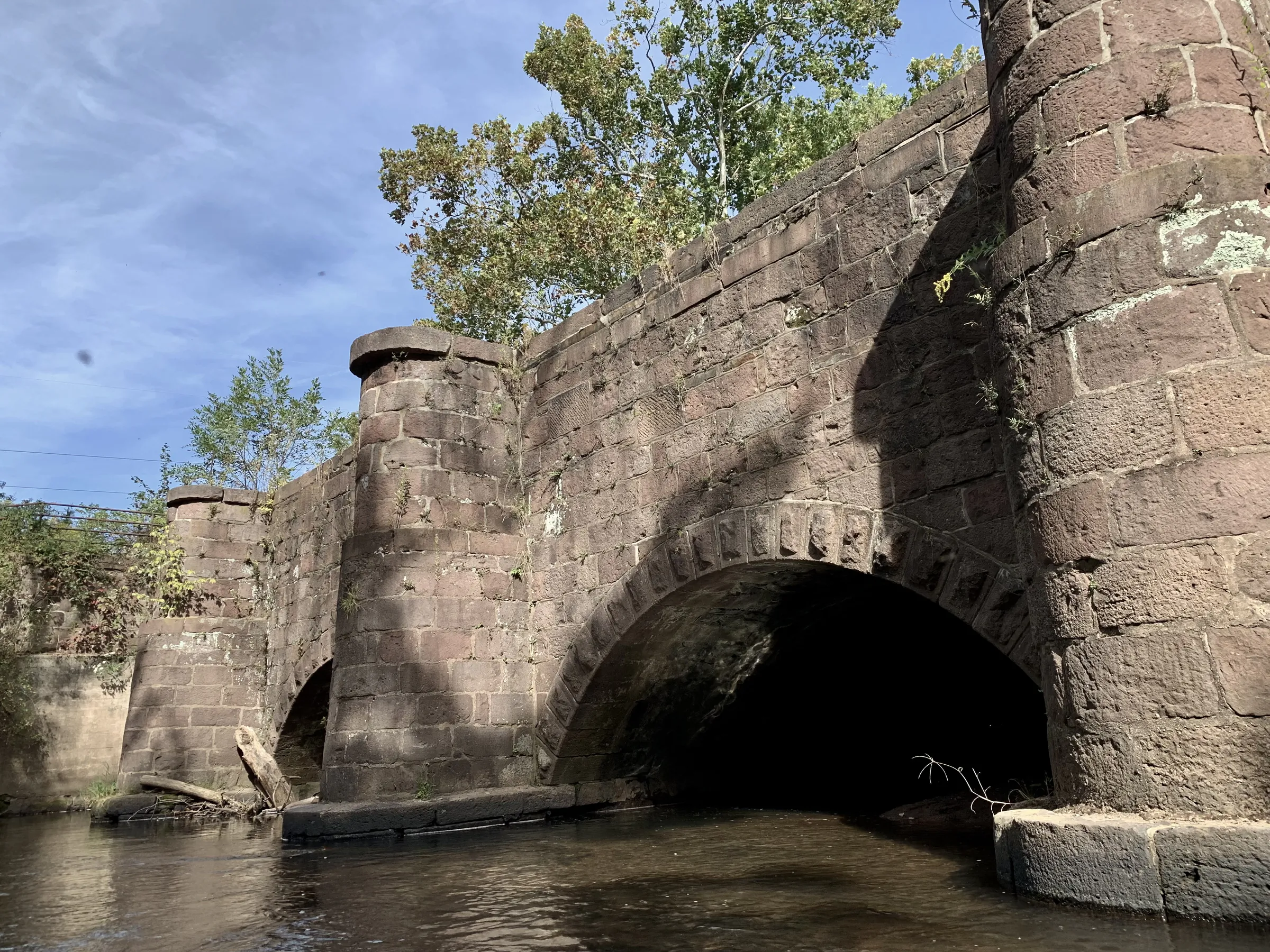
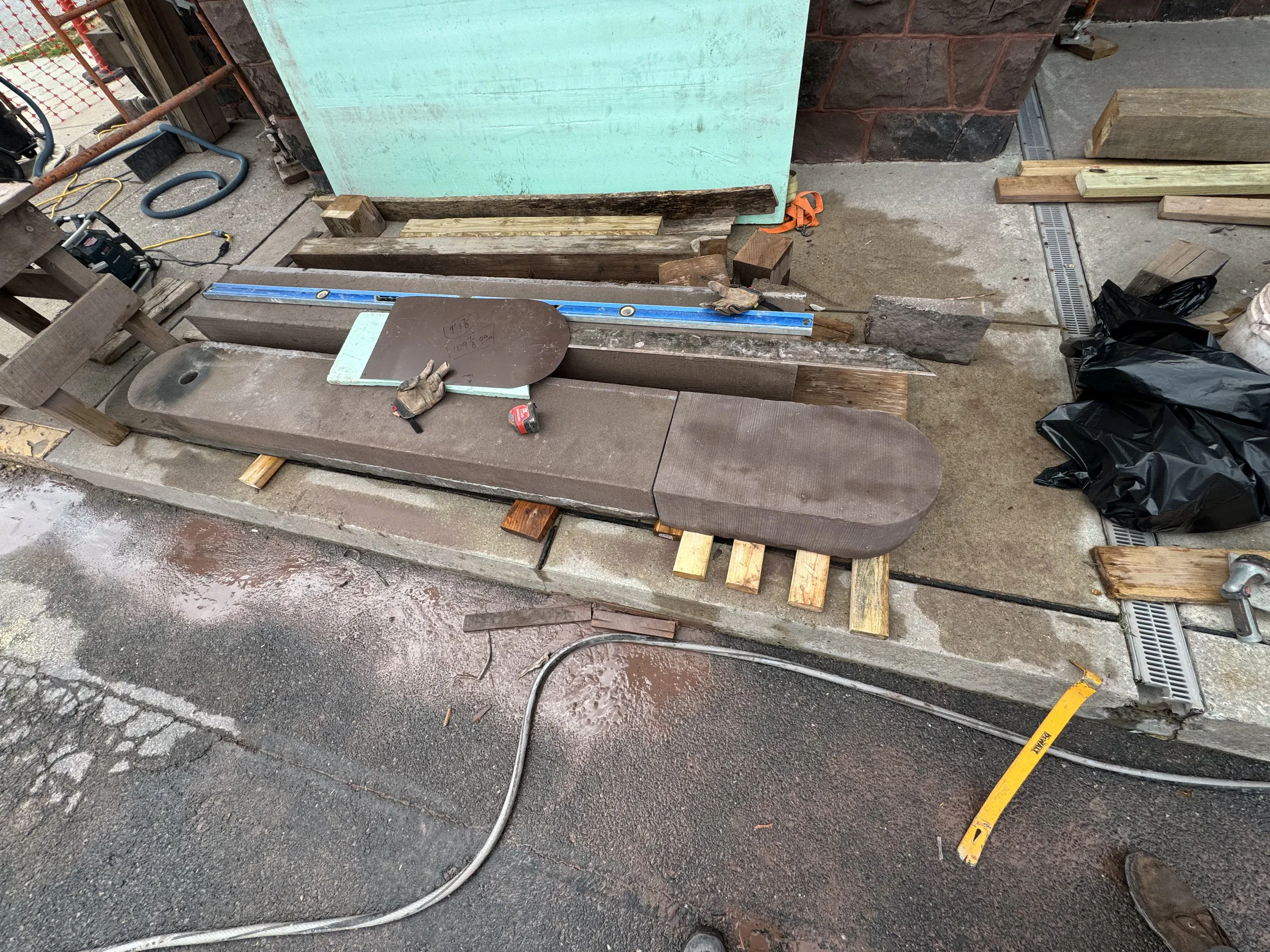
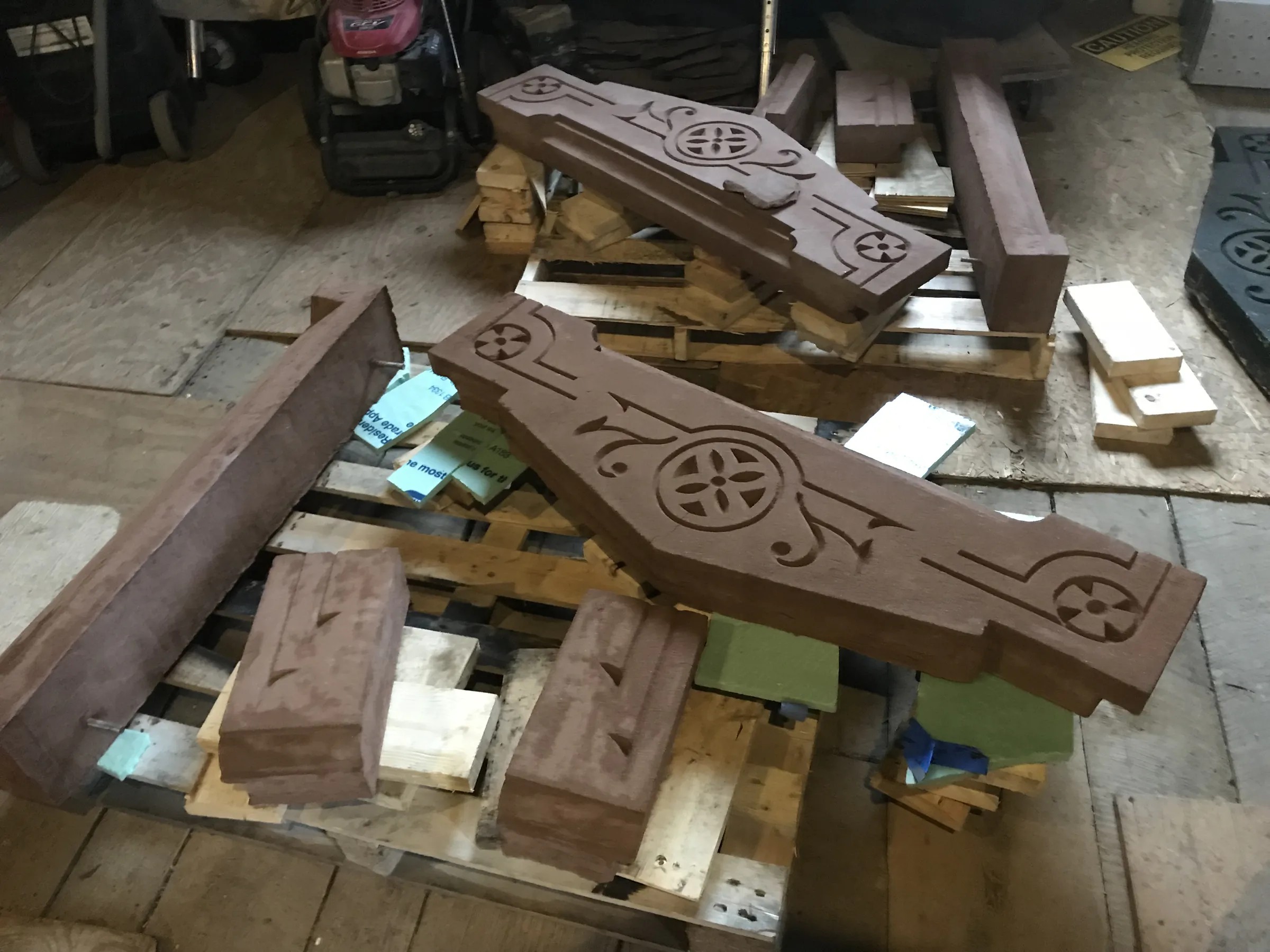
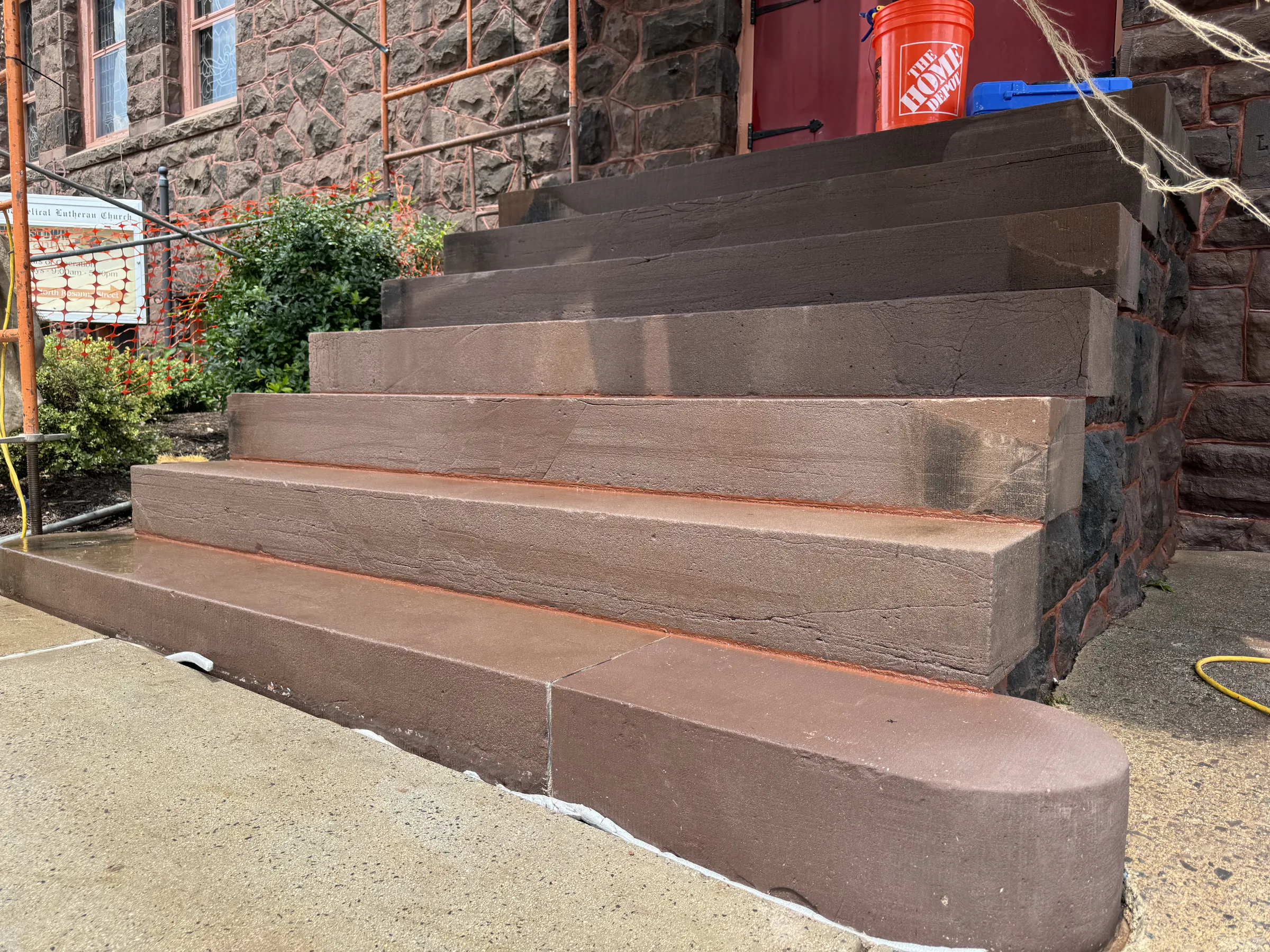
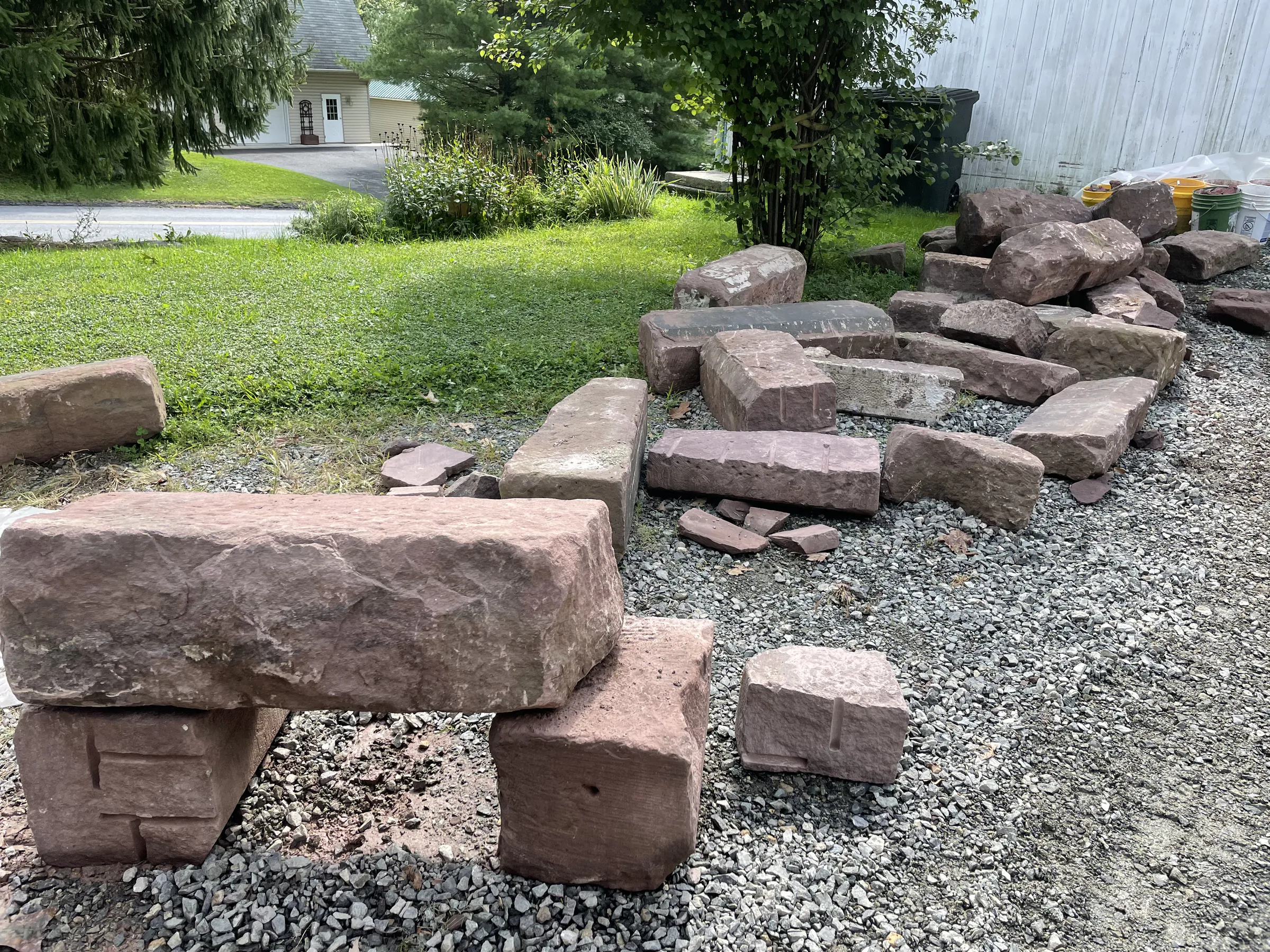
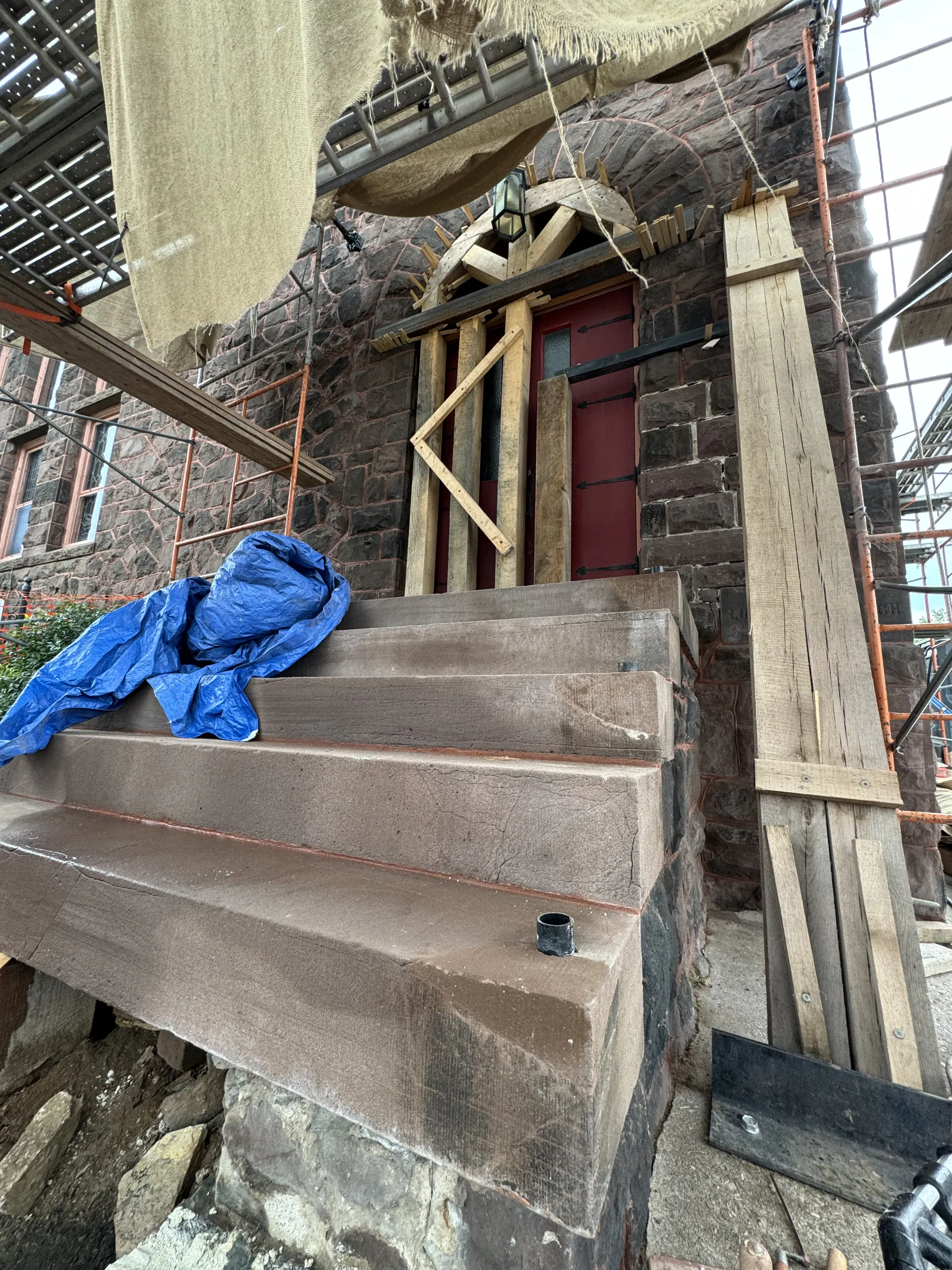
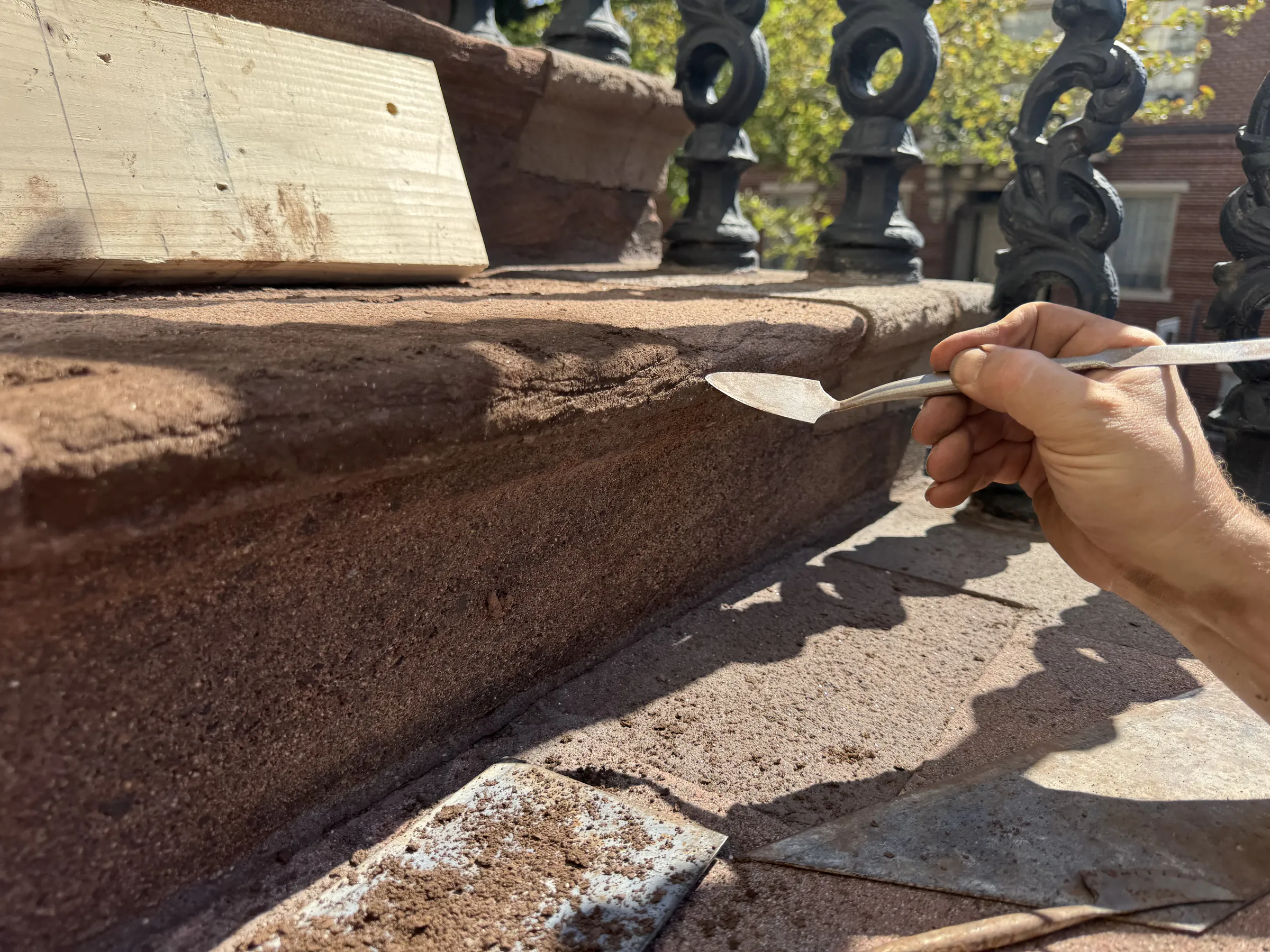
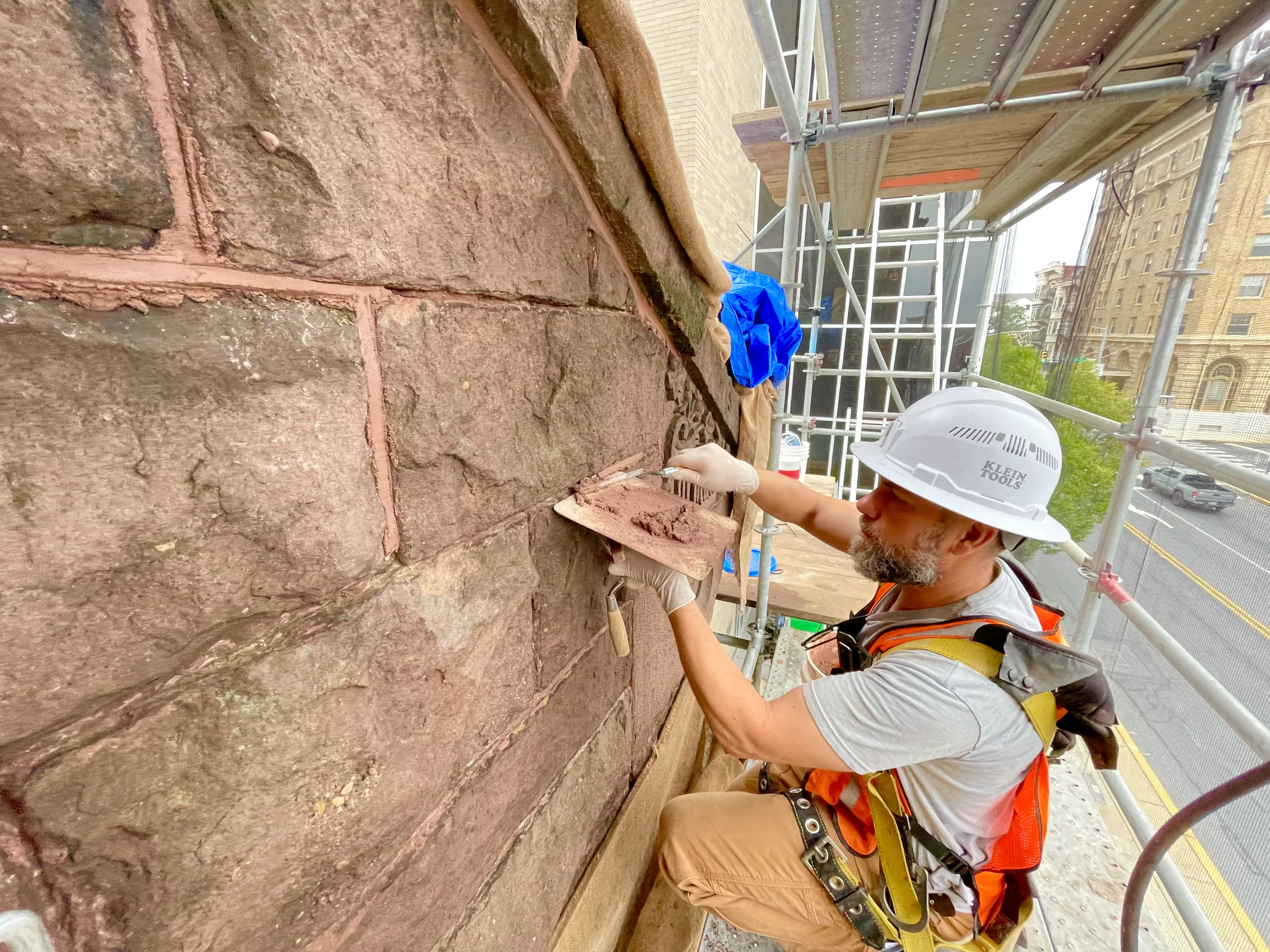
Brownstone Conservation in Practice
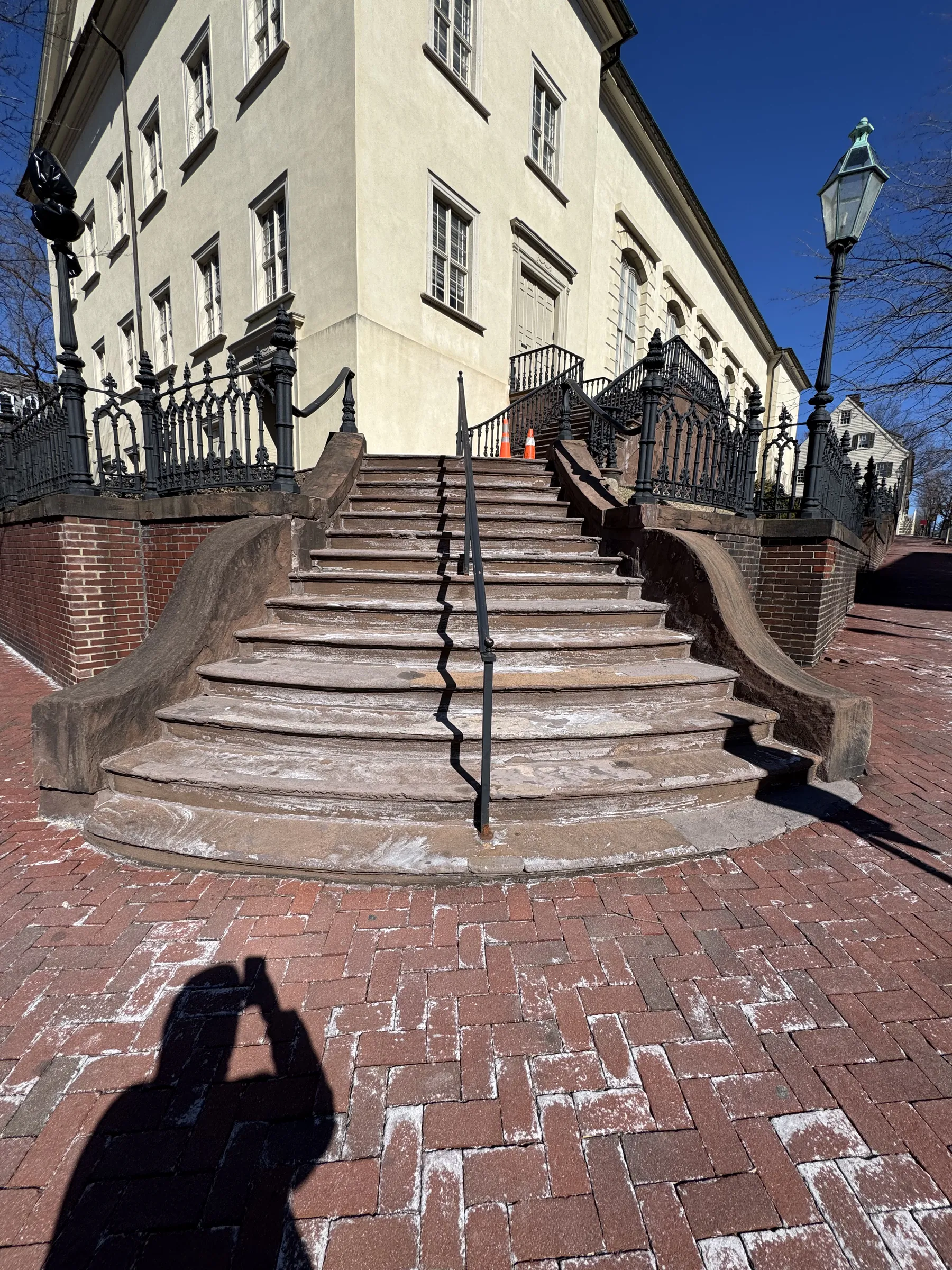
Our Approach to Historic Restoration
Meet & Discuss
Reference from previous clients and similar preservation work will be presented along with a letter of experience documenting Restoration Artisans, LLC. previously accomplished projects.
Diagnose
Each historic masonry restoration project requires a unique diagnosis of the issues that contributed to the necessity for repairs. Restoration Artisans will first understand the contributing factors that caused the repairs, then suggest an appropriate course of action to restore the structure correctly.
Propose Solutions
Restoration Artisans will propose a thoughtful solution, based on successful historic masonry restoration projects, that will provide a lasting repair to the specific needs of the structure without accelerating deterioration to the facade.
Restoration Project
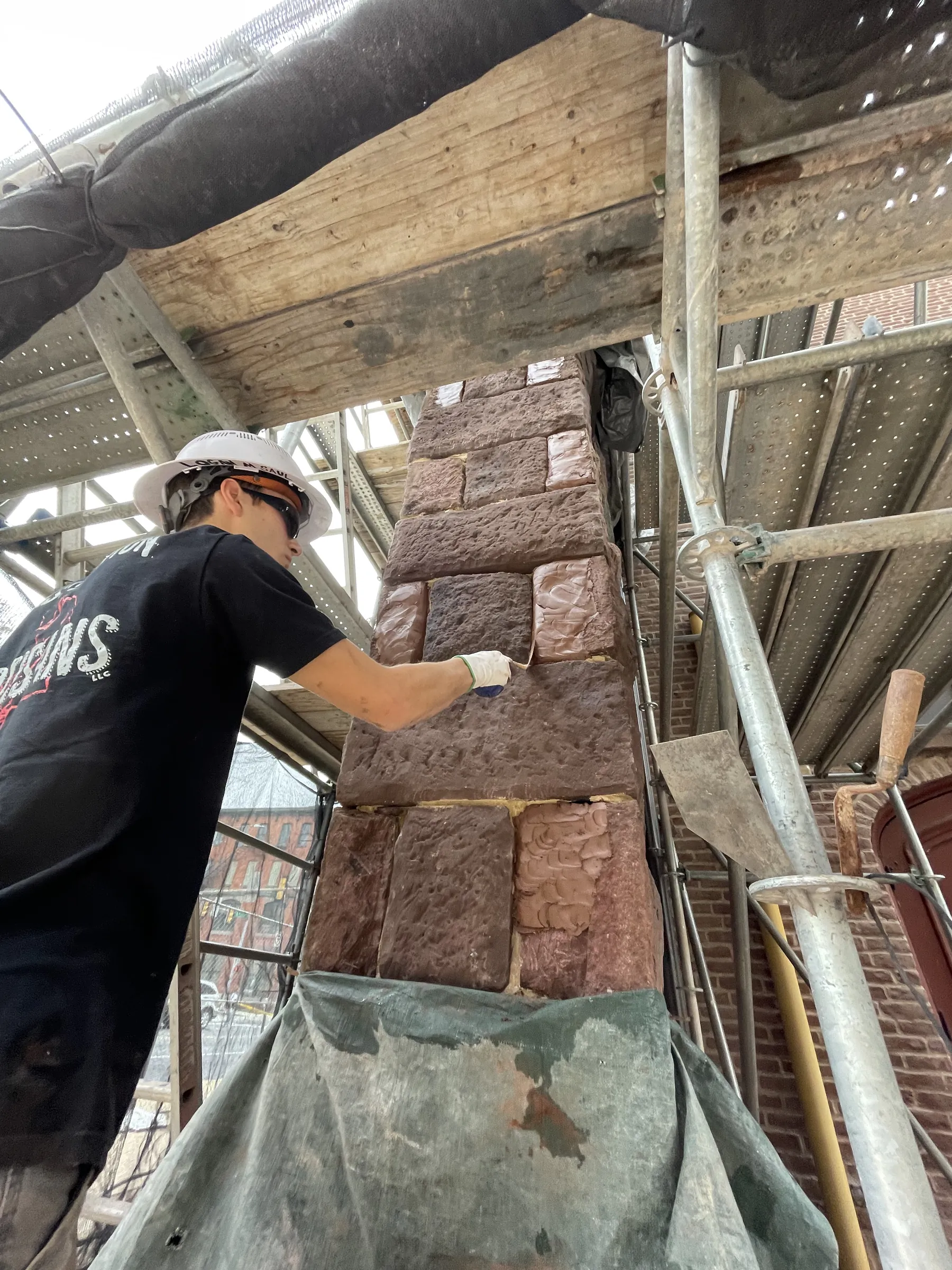
Using the highest quality materials and techniques, Restoration Artisans will begin the process of restoring the building to it’s original glory, being sensitive to the historic nature of the structure and respectful of the surrounding property. Whether it is a colonial limestone farmhouse that requires lime mortar repointing, a brownstone building that is need of repair with Jahn Restoration Mortars and stone replacement, or a historic bank barn that requires structural stonemasonry and woodworking repairs, Restoration Artisans can help.
Common Conditions Addressed
Brownstone conservation is most often part of a broader restoration effort rather than a standalone repair. It is used to stabilize deteriorated stone, preserve original architectural features, and address areas where moisture and past interventions have compromised the façade.
This work is commonly undertaken on historic townhouses, churches, and institutional buildings, particularly in urban settings where exposure and age have accelerated surface and structural deterioration.
Related Methods Commonly Used Alongside Brownstone Conservation
Because brownstone issues are rarely isolated, conservation work is frequently coordinated with complementary restoration methods to ensure long-term performance and compatibility.
These may include:

Expert Support for Brownstone Conservation
From initial assessment through long-term restoration planning, we help property owners make informed decisions rooted in historic accuracy and proven conservation practices.
Proudly serving Central and Southeastern Pennsylvania, including:
Montgomery County (PA), Gladwyne, Villanova, Bryn Mawr, Haverford, Ardmore, Rosemont, Chester County (PA), Wayne, Devon, Berwyn, Hershey, Hummelstown, Lower Paxton Township, Linglestown, Susquehanna Township, Camp Hill, Mechanicsburg, Hampden Township, Upper Allen Township, Silver Spring Township, South Lebanon Township, North Cornwall Township, Cornwall, Mount Gretna, Cleona, Shrewsbury, New Freedom, Lititz, Manheim Township, East Hempfield Township, Lancaster Township, Neffsville