Understanding Historic Consultation & Surveys
Every successful restoration begins with understanding the building as it exists today. Historic consultation and survey work provides a clear, documented assessment of condition, defects, and underlying causes before repairs are planned or executed.
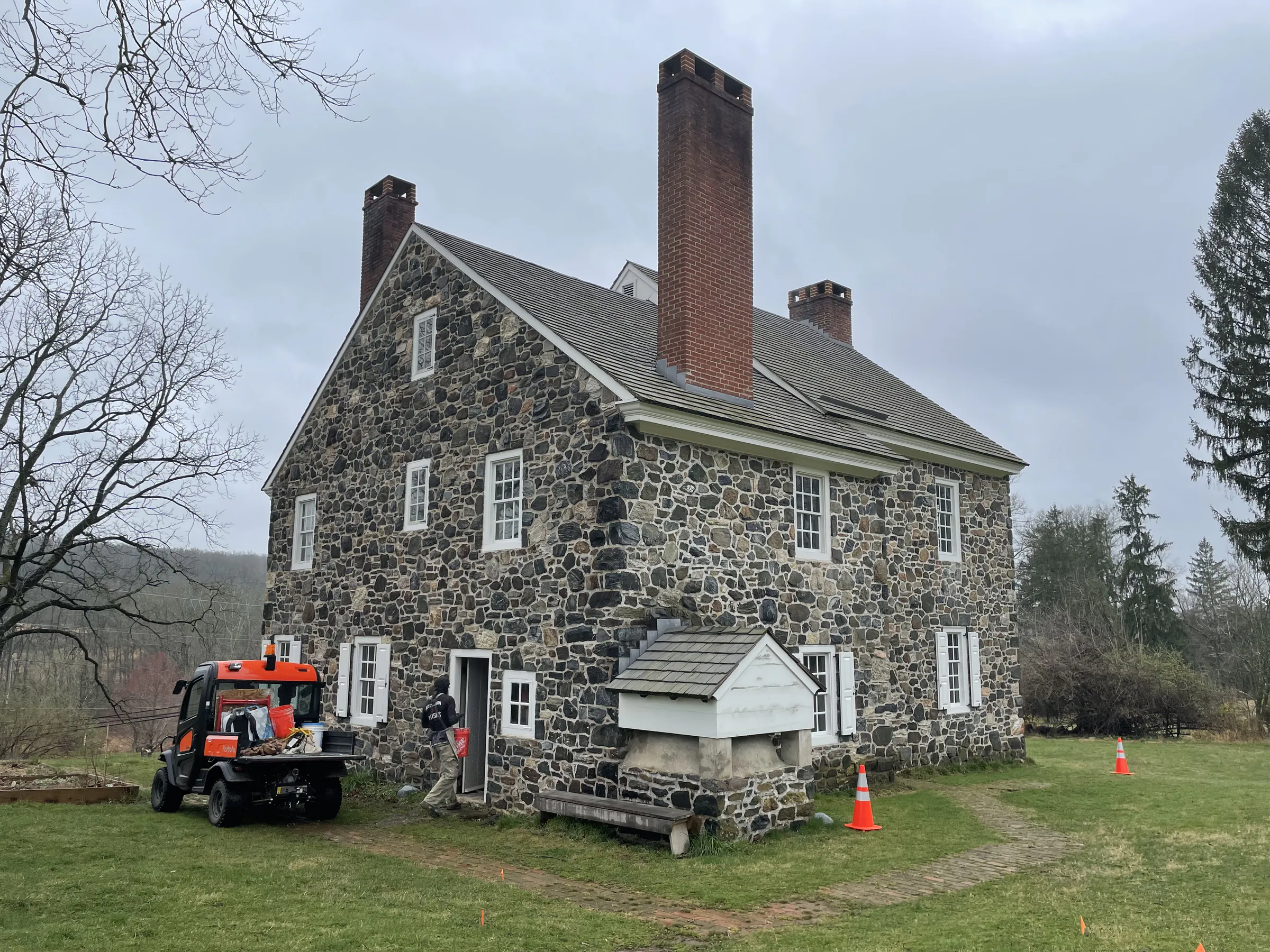
Many historic masonry structures suffer from long-term moisture exposure, incompatible past repairs, or concealed structural movement. Through careful inspection, these issues can be identified early, reducing unnecessary intervention and preventing costly mistakes later.
Why are Surveys Needed?
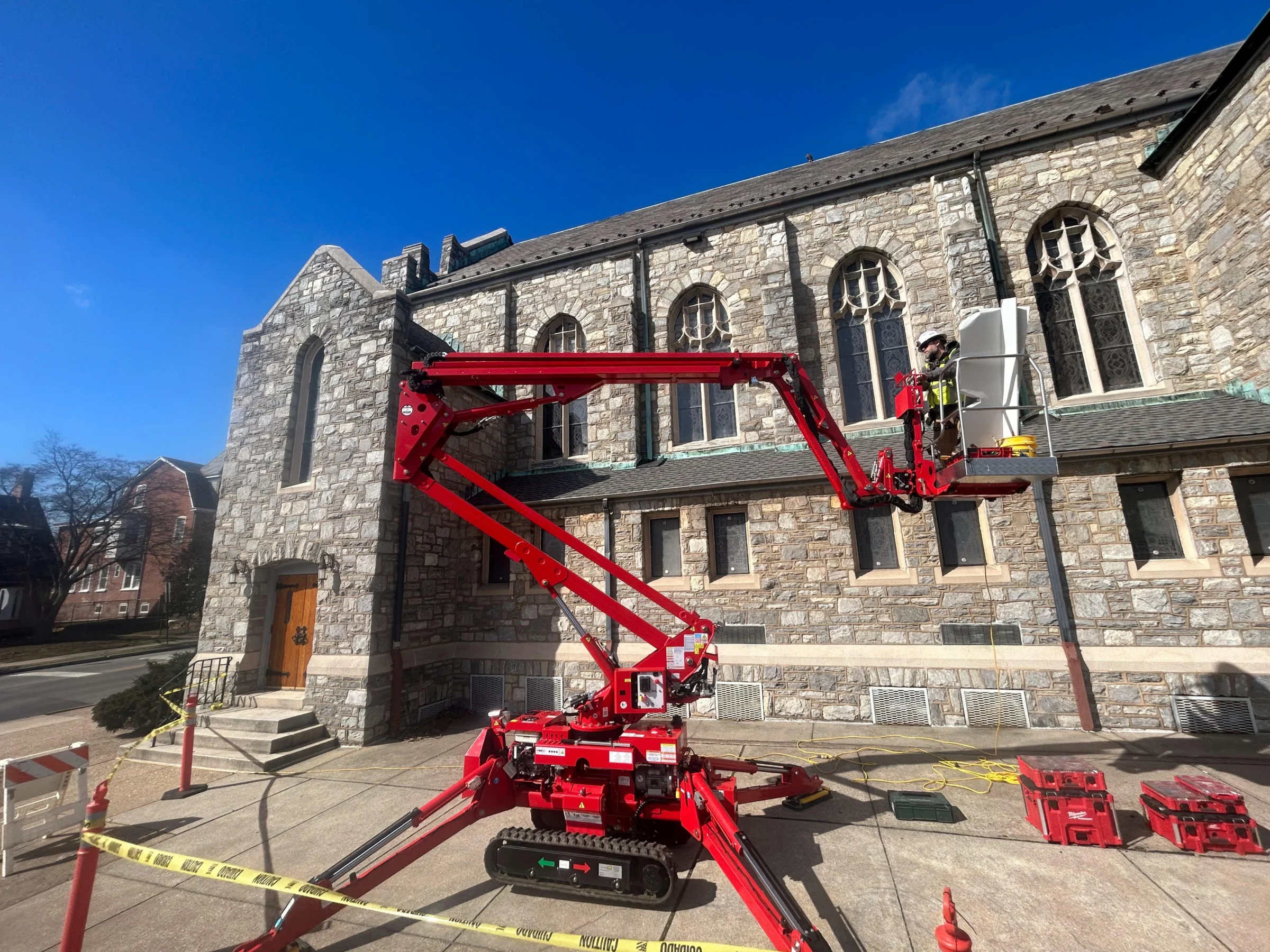
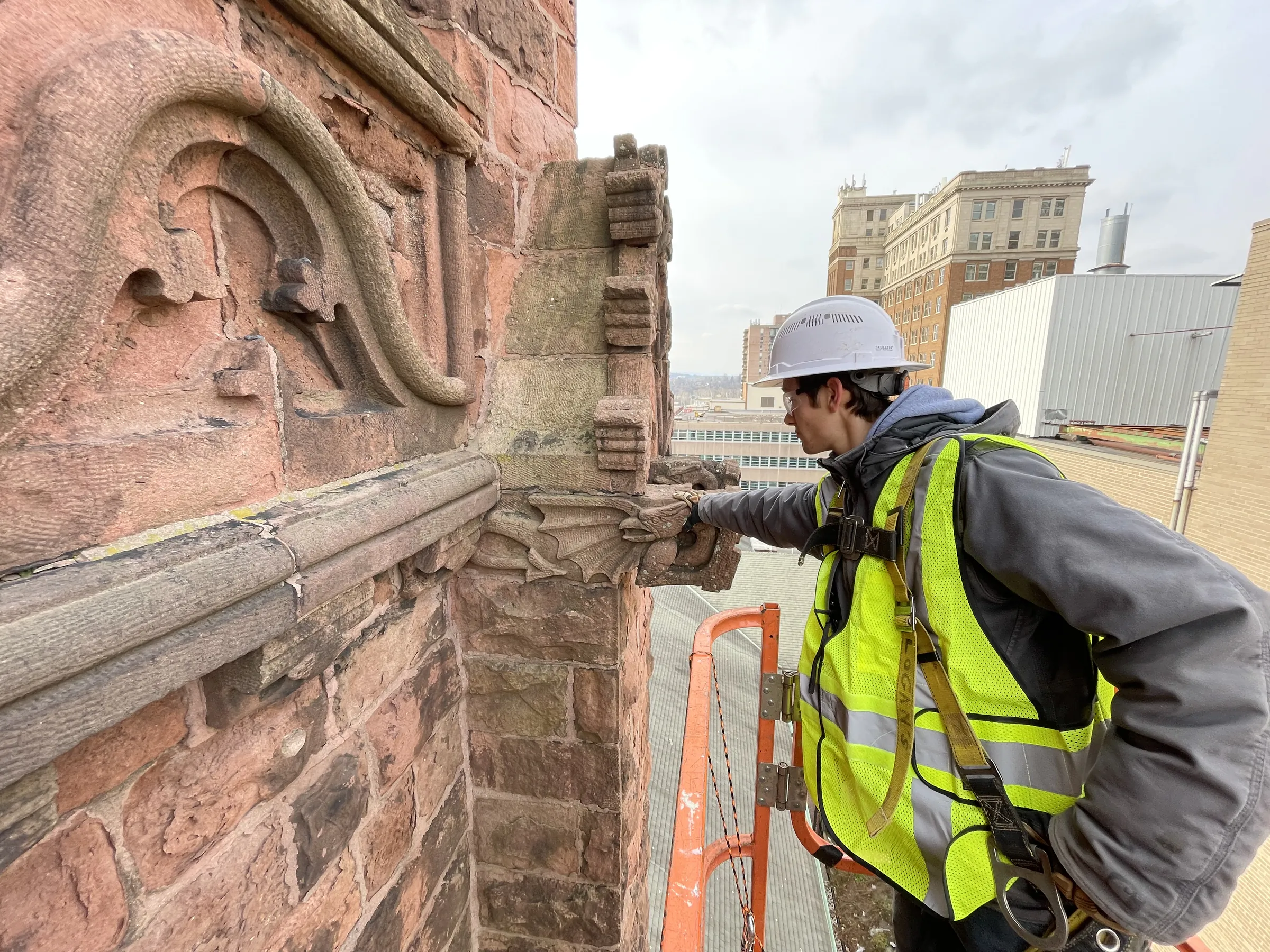
Consultation and survey services are typically required when deterioration is visible, when planning future restoration work, or when long-term maintenance budgeting is needed. They are especially valuable for large or complex structures where access is limited or conditions are not easily visible from the ground.


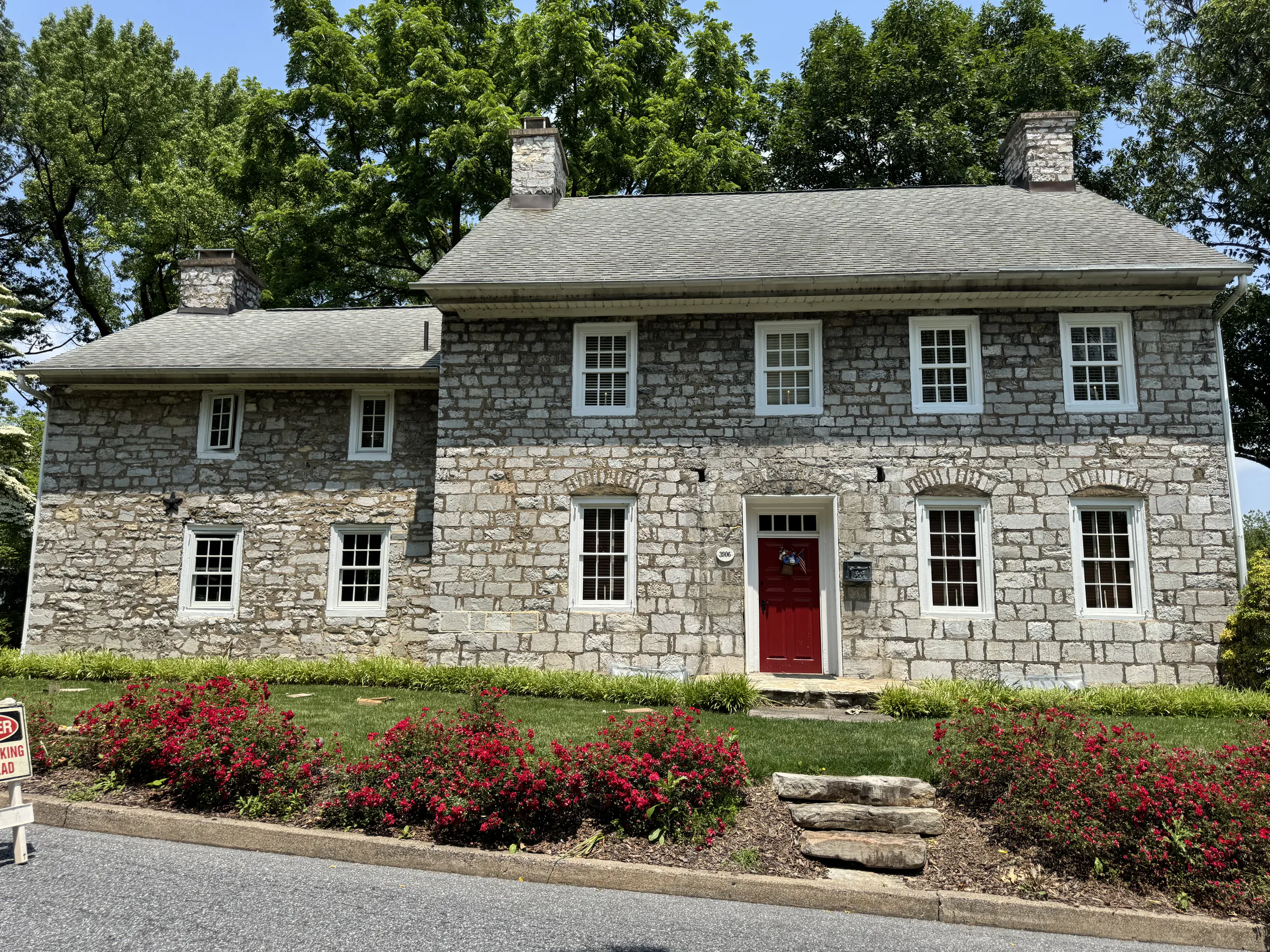
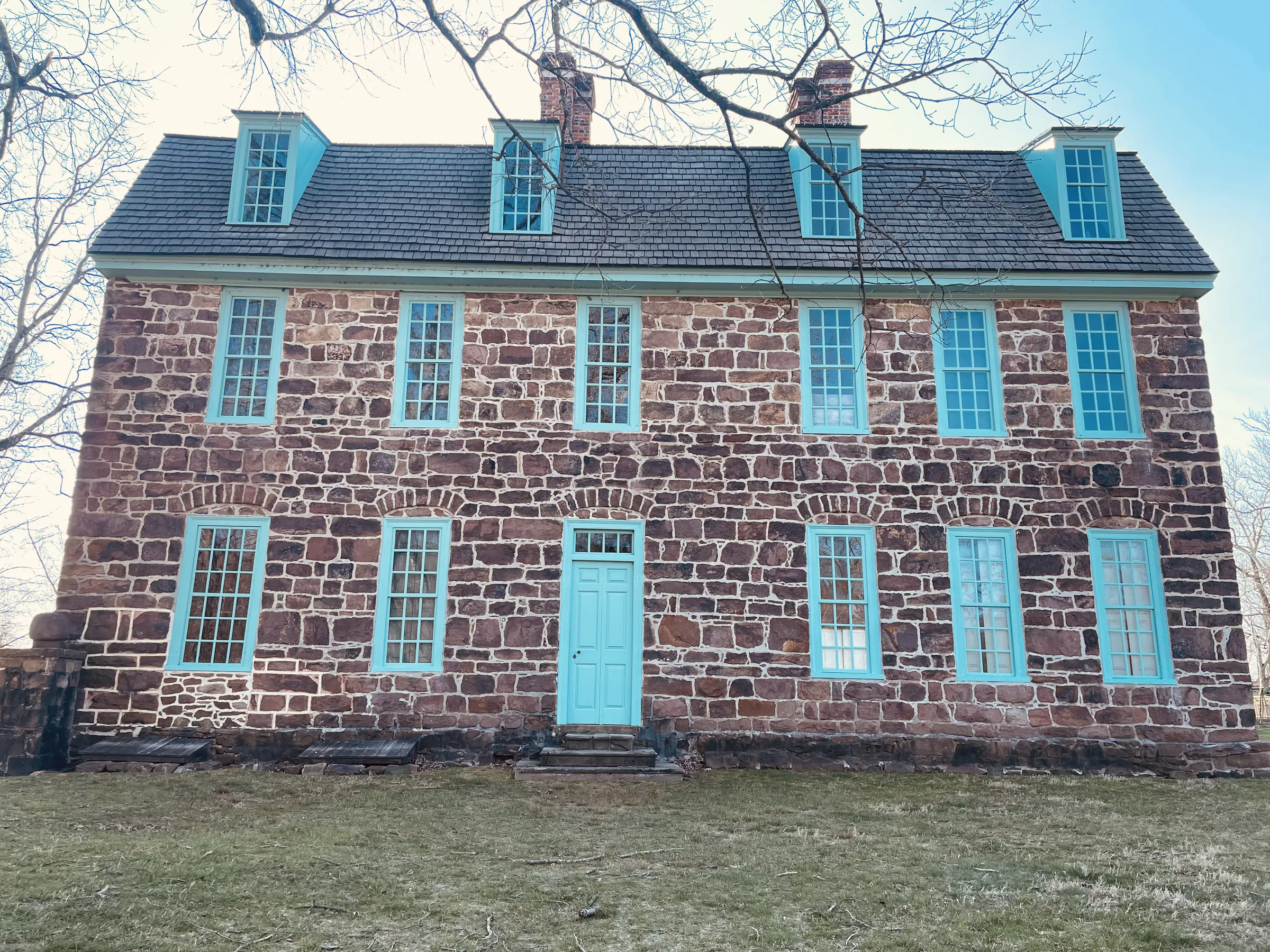
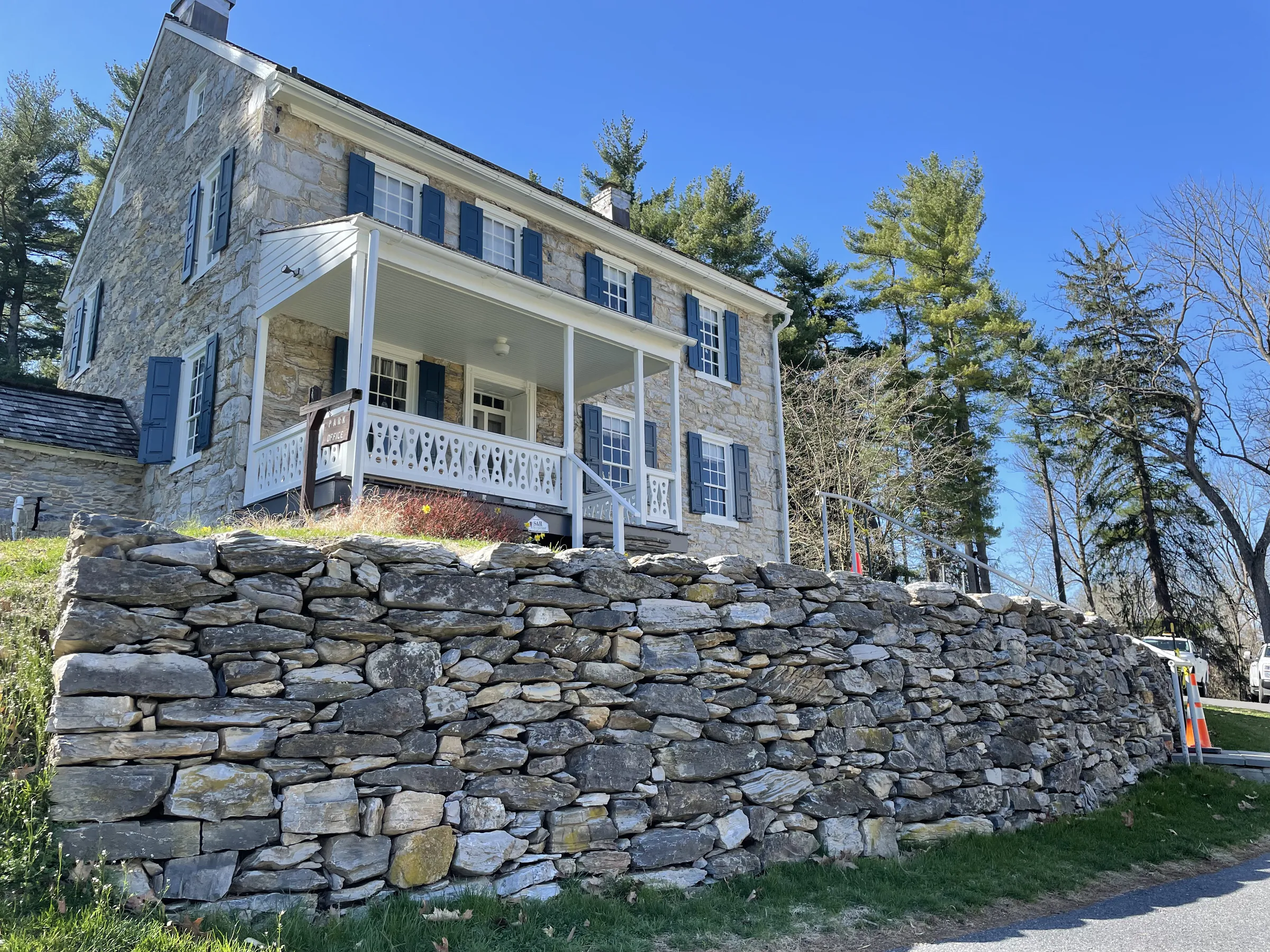
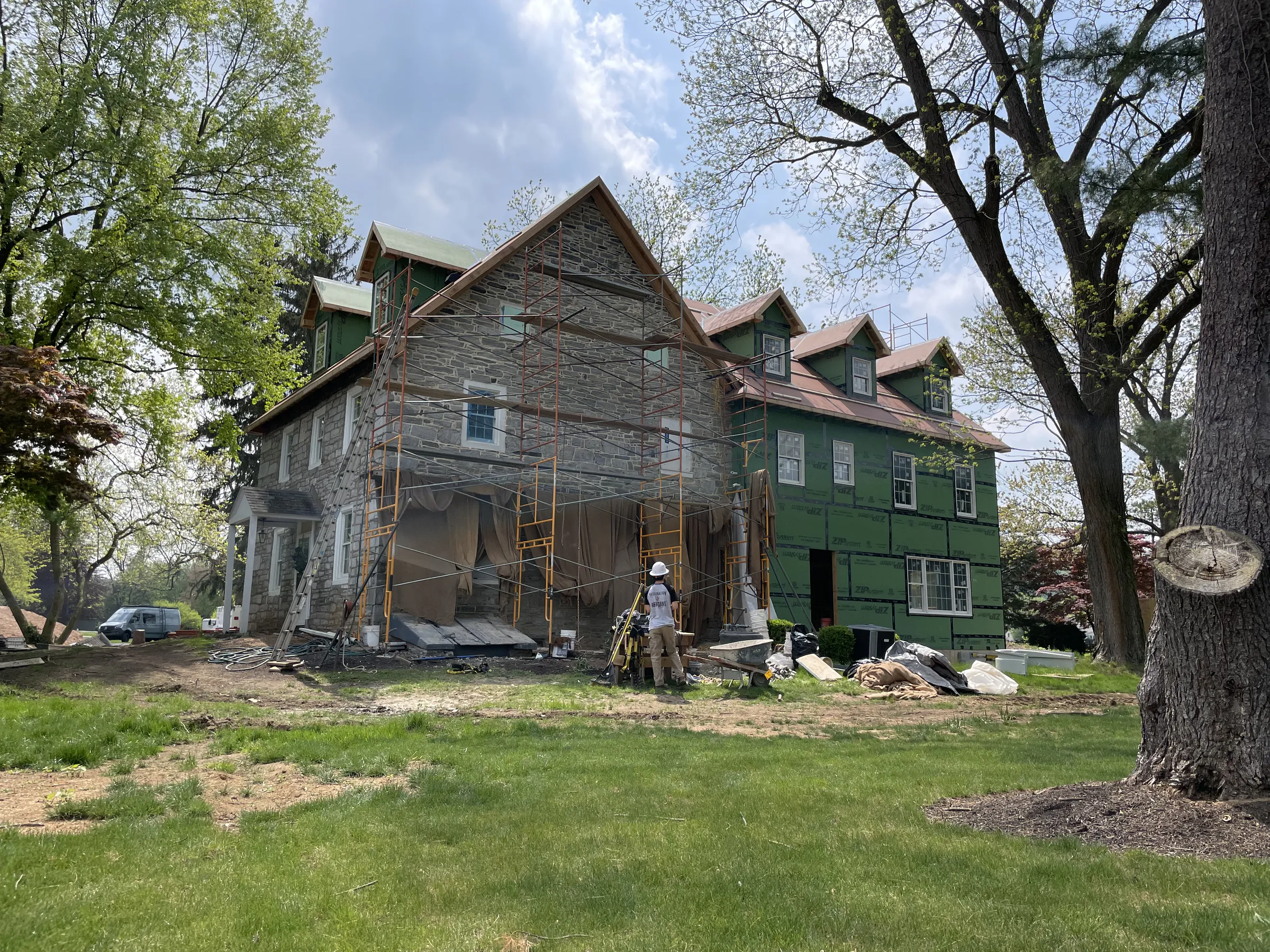
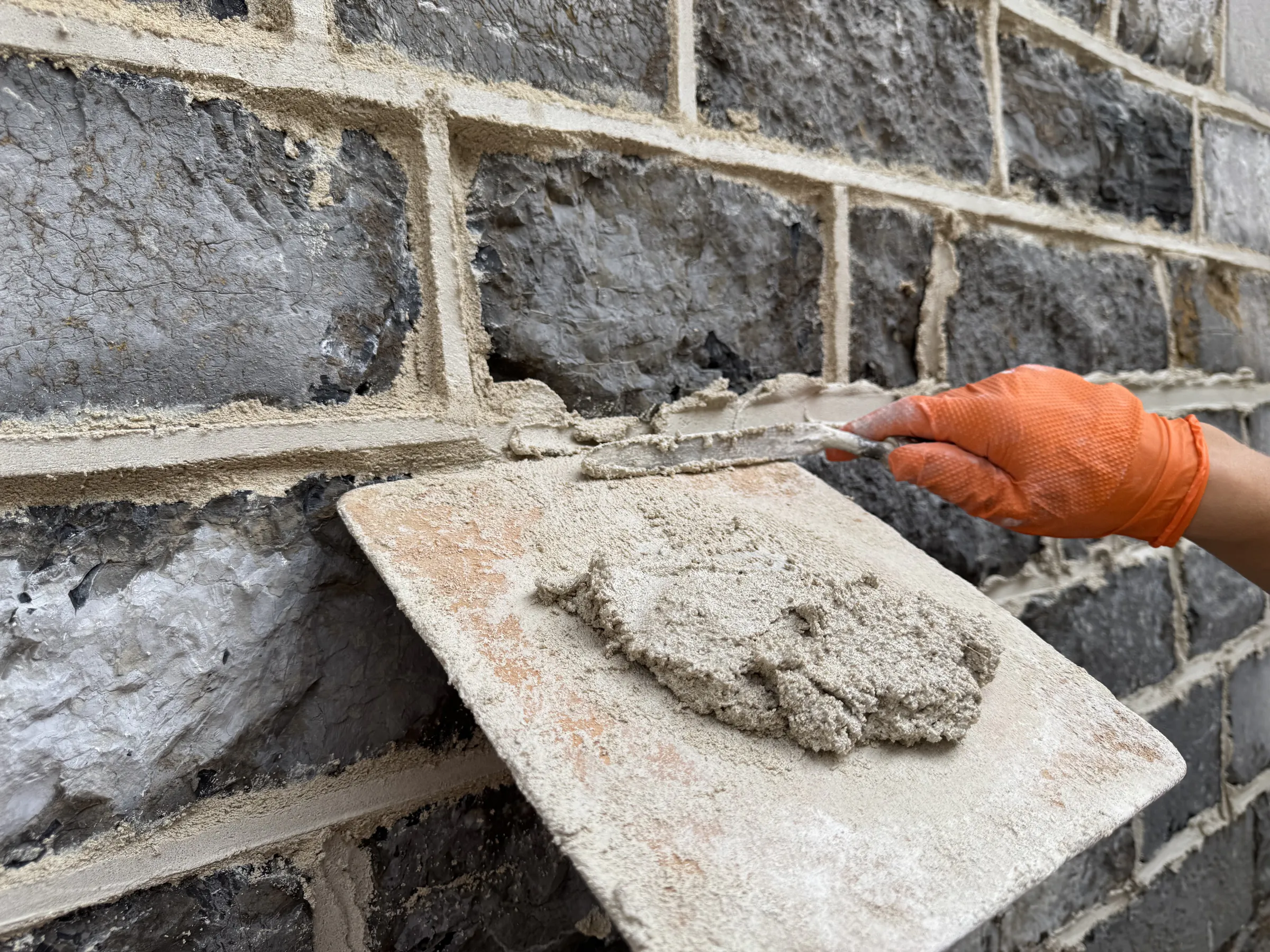
In July 2025, we hired Restoration Artisans, LLC to re-point the limestone exterior of our 1750s German Moravian home in Harrisburg, PA. The owner, Ken Saul, Jr, is an amazing craftsman with vast knowledge of historical architecture and its construction, restoration methods, and resources—local and worldwide. His dedicated skilled team of Logan, Nate and Sophia are professional, detailed oriented craftsman. They are personable and hard-working. Ken and his crew arrived promptly every day and dedicated themselves to their goal for that day. No detail was missed. It was our pleasure to get to know them. Prep work for our project started with carefully and thoroughly protecting our original wooden windows. During the project, Ken provided frequent text updates, videos and on site explanations. They cleaned the job site daily and properly disposed of debris. As private homeowners, this was our most expensive restoration project, however, it was money well spent. The removal of the old Portland cement and re-pointing with hydraulic lime mortar was necessary to preserve our home’s limestone exterior. The success of this repointing project is credited to Ken Saul, Jr and his team. Ken is a true master with rare talents in hydraulic lime mortar, historic restoration and traditional masonry skills. He shared his knowledge about the construction methods of our of our house and we learned so much. We will definitely use Restoration Artisans, LLC in the future for ongoing restoration work. For anyone considering restoration work, Ken Saul, Jr and his team at Restoration Artisans,LLC is the best choice. You will be pleased with their work! Steve and Karen Kreiser

There are tradesmen and craftsmen….this team goes beyond the average in every thing they do. The name of the company says it all…..Artisans. They certainly have exceptional skills that span several disciplines. But they also have a keen sense for the historic details of each structure and incorporate those sensitivities into their work. Simply put, Ken, Logan, and Nate are true professionals. They work tirelessly. They are detail oriented. They have the hard to find skills needed for restoring historic buildings to their original excellence. They are very accommodating and truly listen to the client’s vision/expectations….and then exceed them. Their body of work speaks for itself. If you are looking for artisans that can tackle most challenging jobs look no further. Sam and Jill Hayes

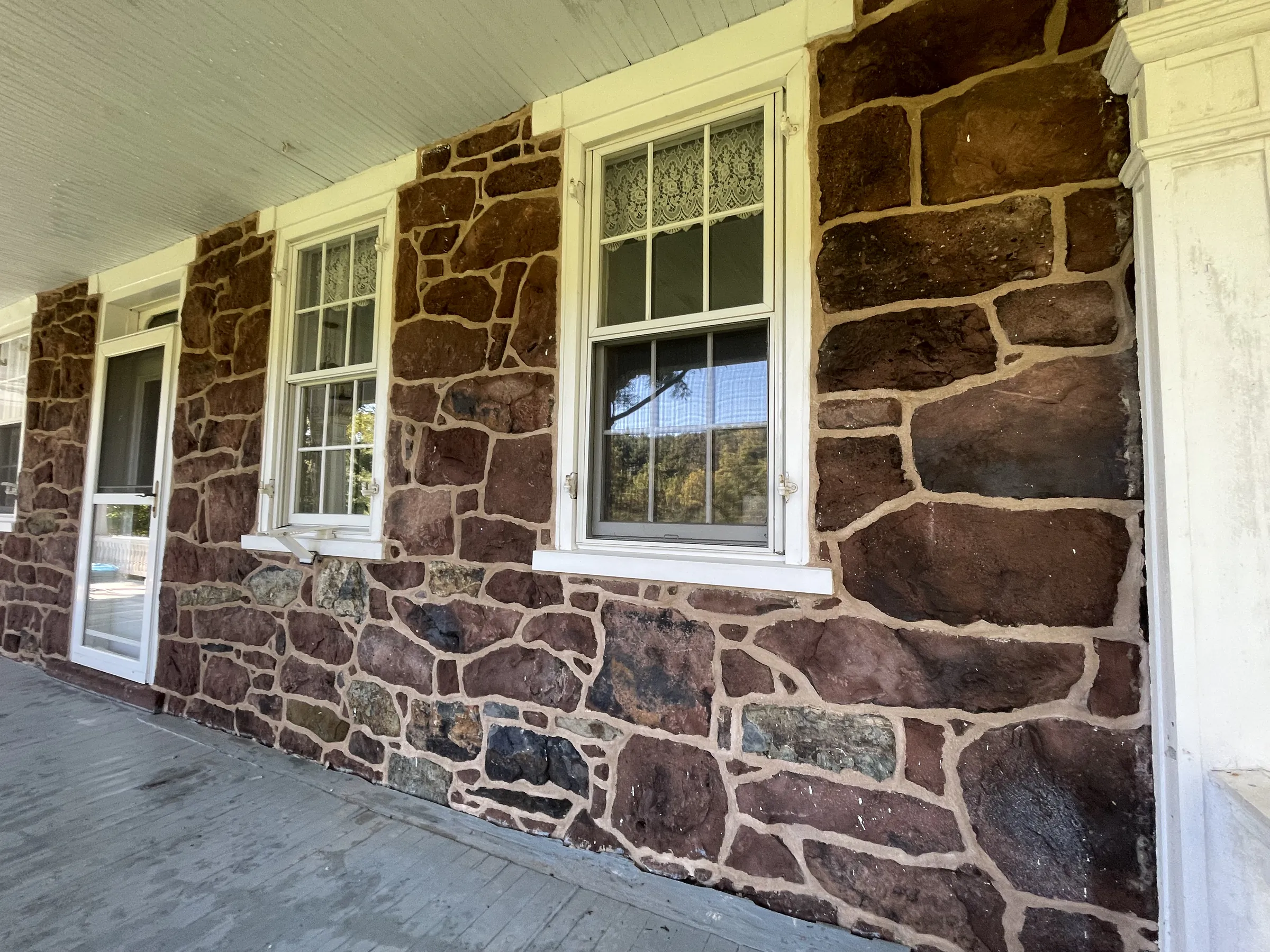
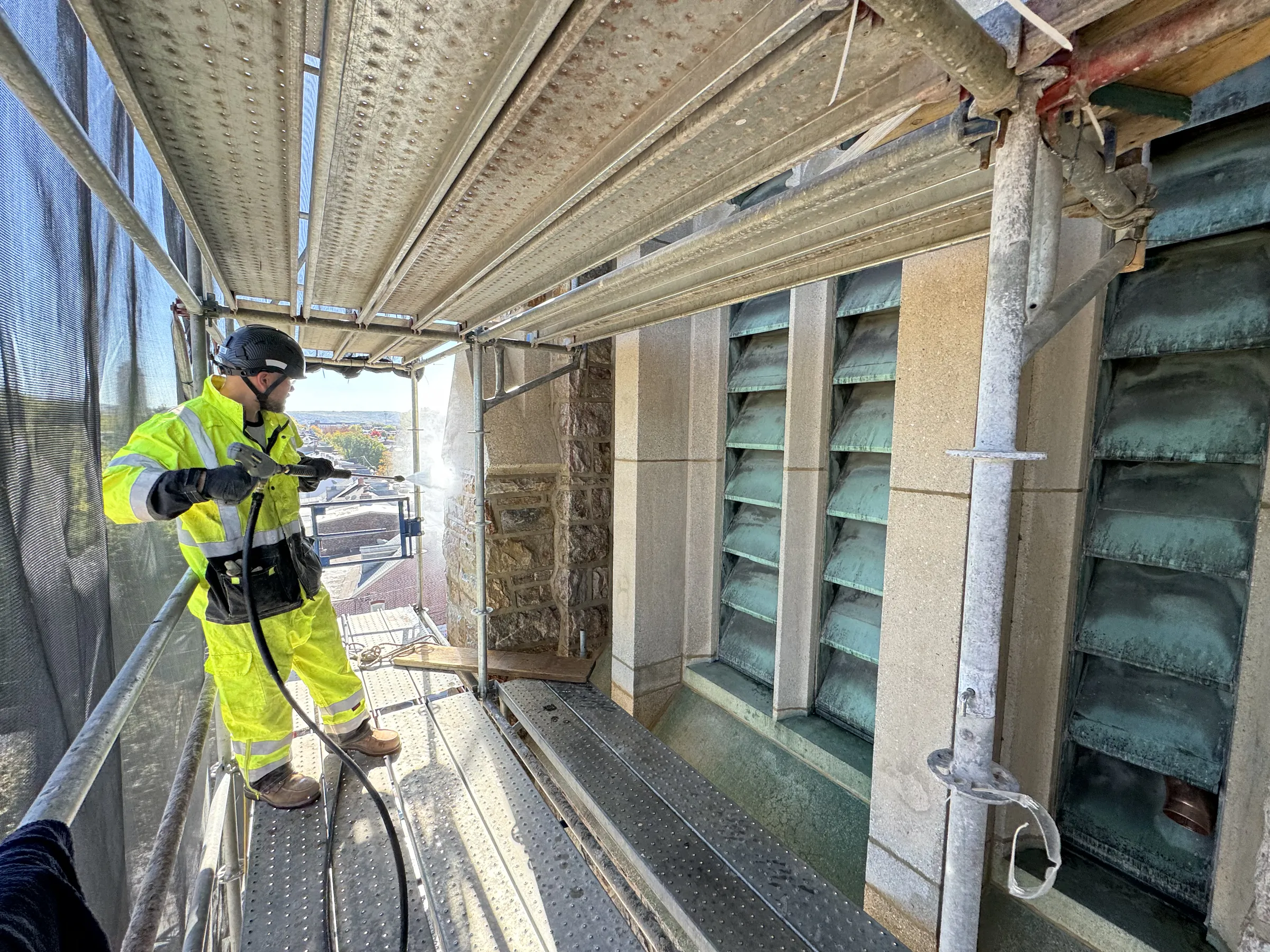
Restoration Artisans performed structural repairs to the brownstone walls, bell tower, and main stairs of our historic church building. This company performed excellent work previously for our church and we were blessed to have their knowledgeable and skilled craftsmen available to perform additional work. The communication was exceptional from start to finish. The proposal clearly documented the work to be performed and the materials to be used, and the updates on the progress and explanation of the process throughout the project was very detailed and thorough. The quality of the work was outstanding. It is evident the work is structurally sound. Extra care was taken to assure proper materials and techniques were used, a slow cure for strength, and extra steps were performed to make the new materials blend with the old existing structure. The team was engaged continuously from start to finish and the project and thorough clean up was completed on time and on budget. We will definitely use Restoration Artisans for future work and I highly recommend them!

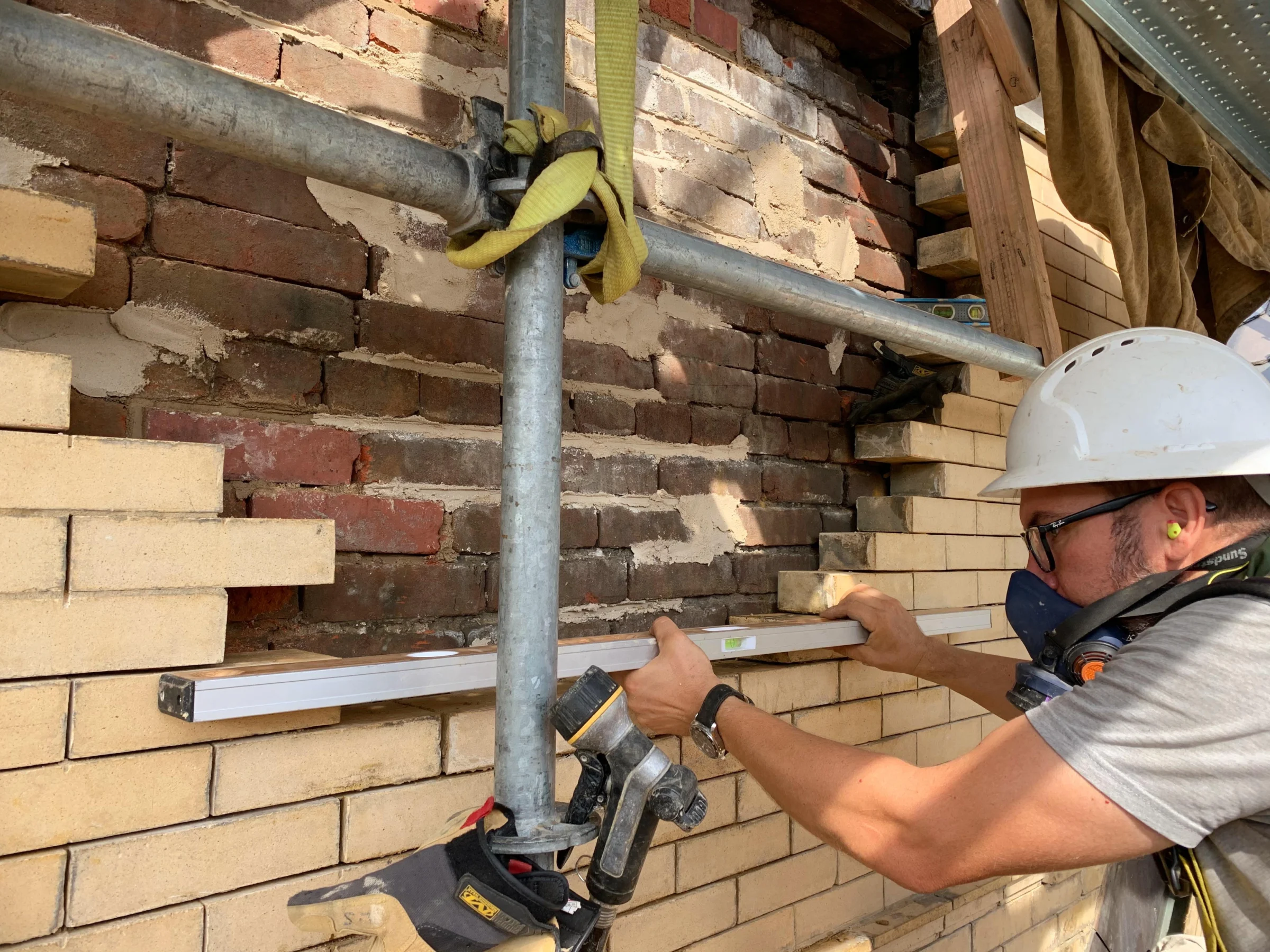
Ken Saul and his team from Restoration Artisans re-pointed a wall on our town-house in a historic district. We are very satisfied with the outcome and a wall that now looks magnificent again, with patched bricks and mortar that exactly matches the original.. As we started looking for companies to do the work, we quickly realized that not many possess the level of expertise and attention to detail needed to deal with preserving lime mortar and historic brick. Ken provided us with a wealth of information about his processes and the work needed. The communication was excellent throughout the entire time and Ken was also there to provide us invaluable help in dealing with the Historical Architectural Review Board. We highly recommend the services of Restoration Artisans. Thank you Ken!

Traditional Materials – Modern Performance
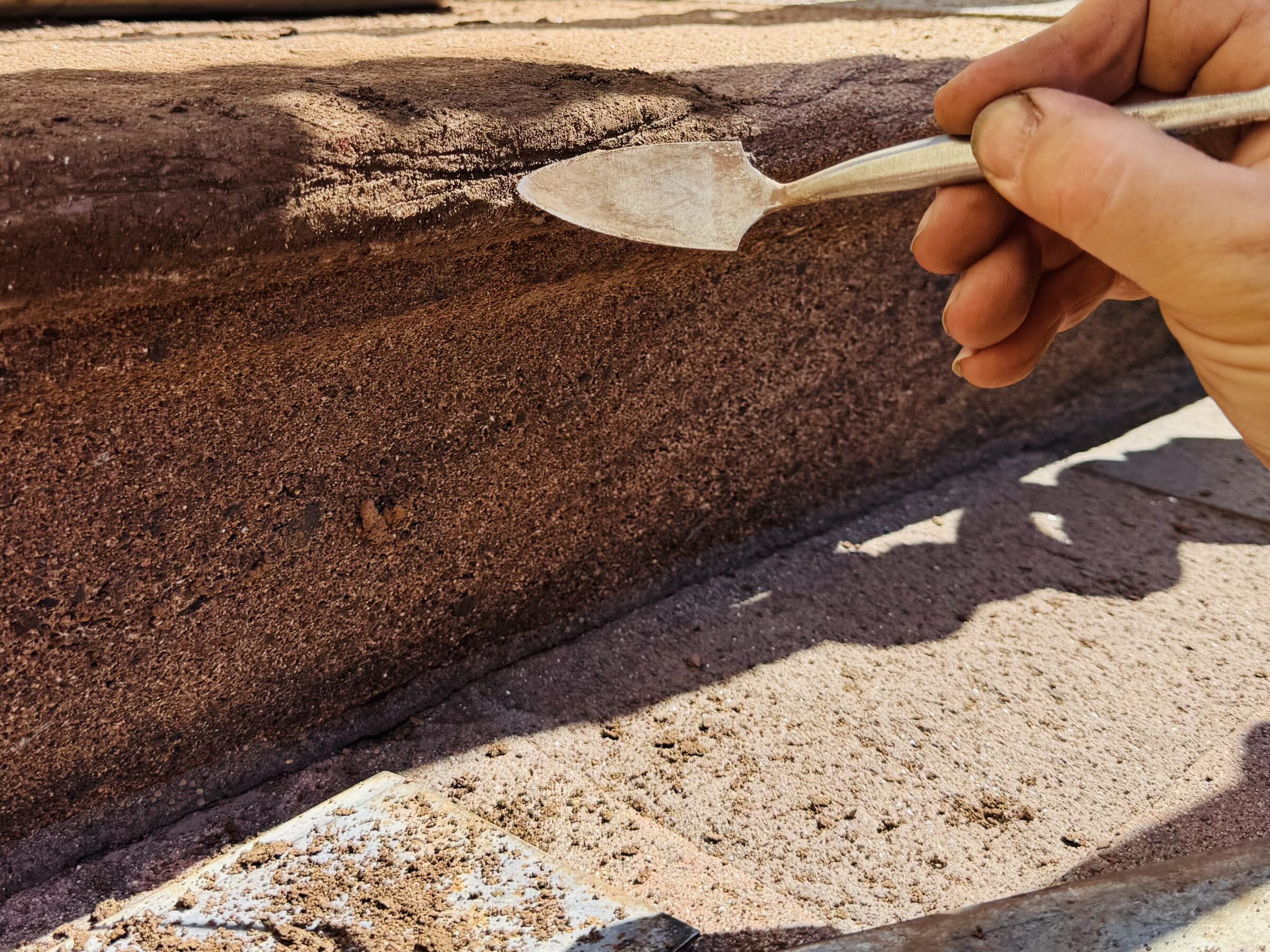
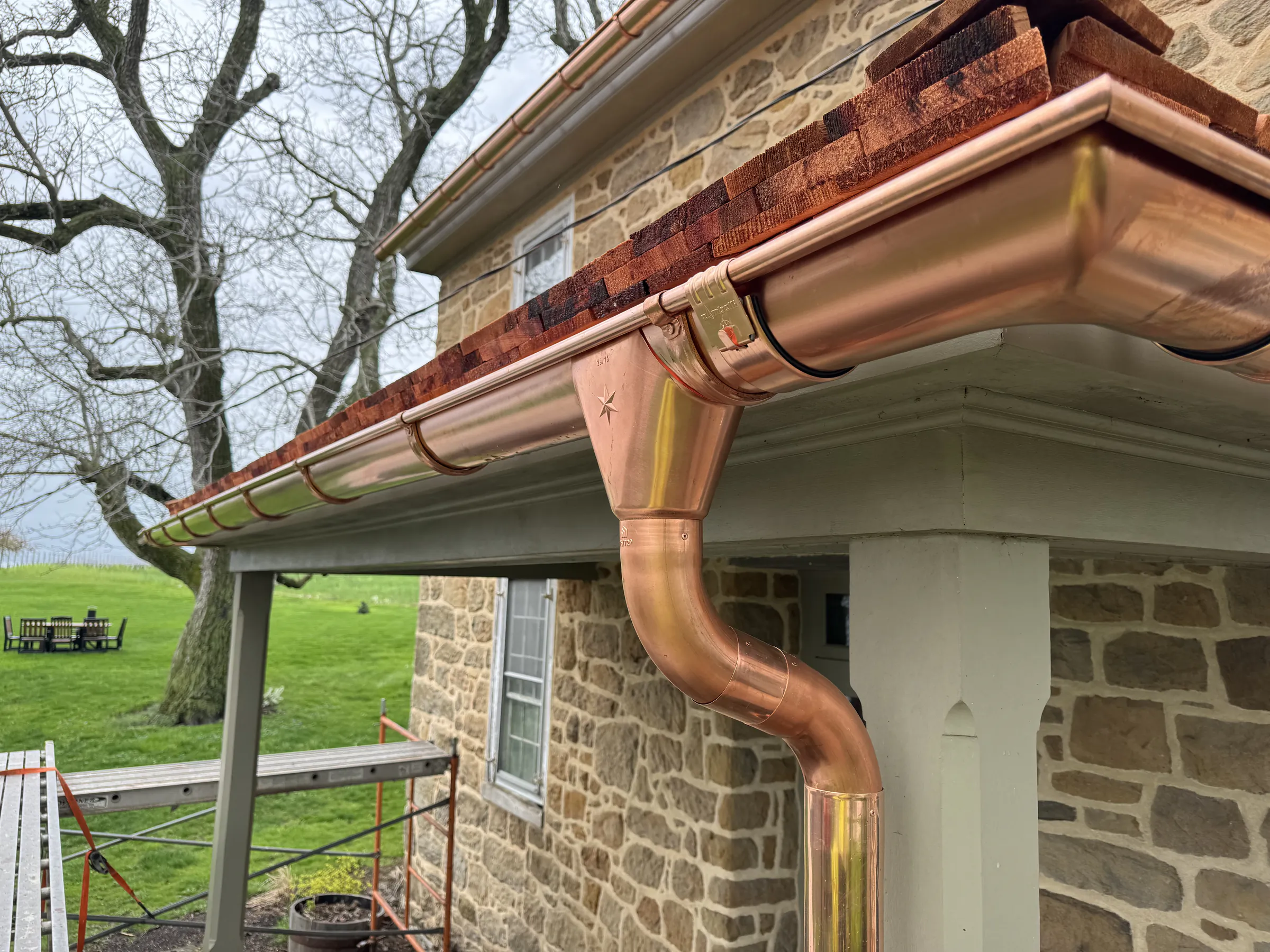
To protect and enhance historic masonry and woodwork, we use only high-quality materials proven to stand the test of time. These materials not only preserve your home’s integrity, they prevent further deterioration and ensure a healthier building for years to come.
Our Residential Materials
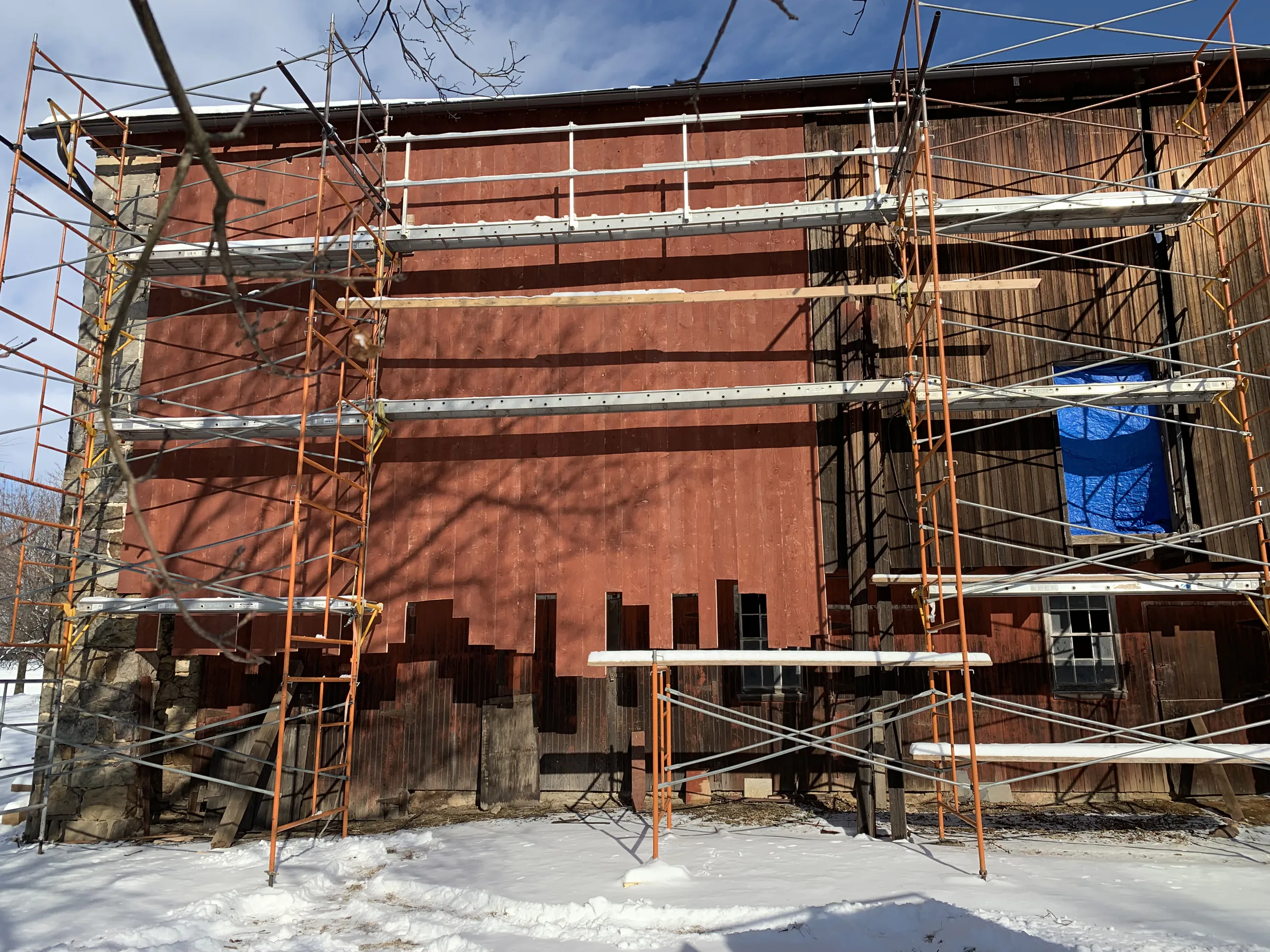
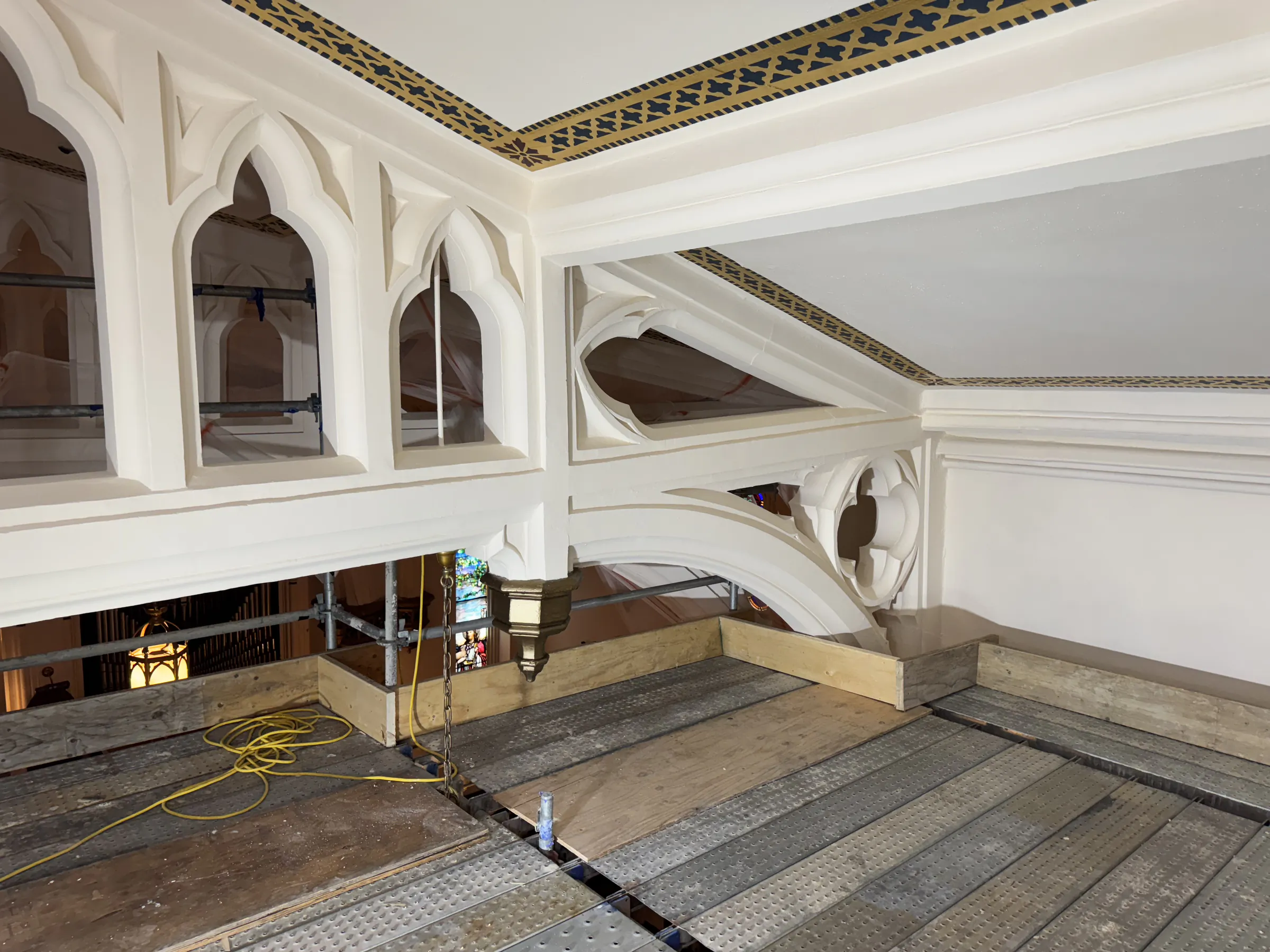
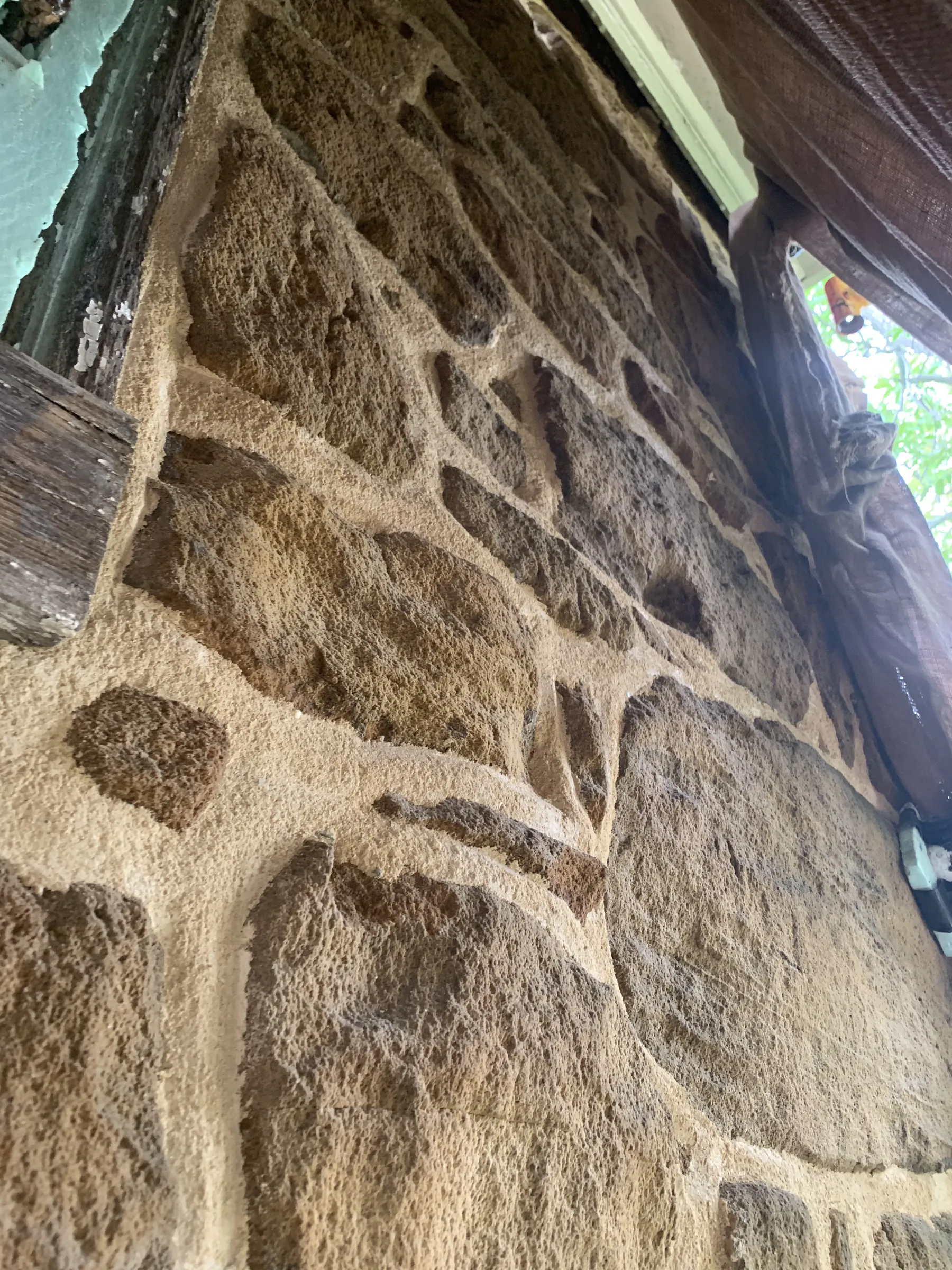
What do Surveys Entail
Surveys combine walk-through inspections with targeted evaluations of masonry, drainage, and structural conditions. Where necessary, Restoration Artisans works in coordination with structural engineers to assess movement, load paths, and areas of concern.
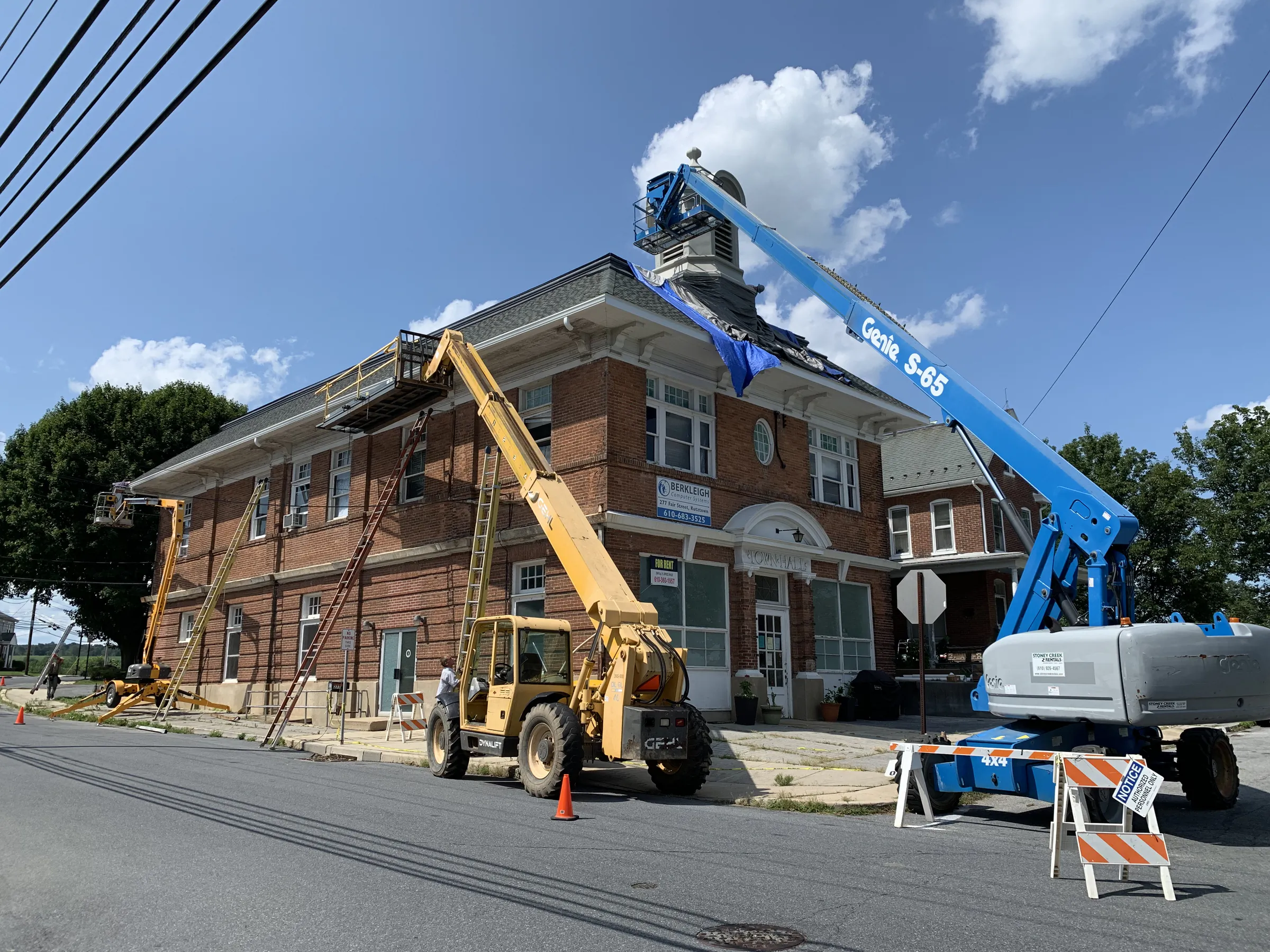
High-elevation elements such as spires, towers, parapets, and ornamental stonework are documented using drone surveys, allowing for close inspection without invasive access. Findings are compiled into a detailed report, including photographs, condition descriptions, and recommended repair approaches. When available, historical records are reviewed to understand previous interventions and long-term patterns of deterioration.
Survey findings are often used to develop phased restoration plans and realistic cost projections for future work.